

Can I repair my Panasonic microwave myself?
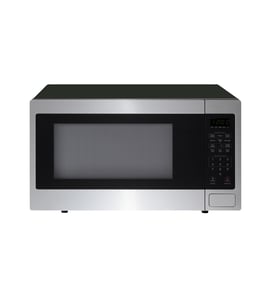
Yes, you can handle some DIY repairs on your Panasonic NN-SN747S countertop microwave, but we only recommend work that stays outside the high-voltage system. Cleaning, fixing door alignment issues, and replacing a blown fuse are common DIY tasks; high-voltage heating repairs belong with a qualified technician.
What you can safely do yourself
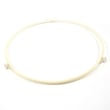
- Clean the cavity, turntable, and roller ring; remove grease that can cause odors and arcing.
- Inspect the door for food buildup on the sealing surfaces; clean gently.
- Check the outlet and reset the kitchen GFCI or breaker if the microwave is dead.
- Replace the charcoal/grease filter only if your setup uses one (some countertop units do not).
- Replace an internal fuse only if you are trained and follow strict electrical safety practices.
Repairs we do not recommend as DIY
Microwaves store dangerous high voltage even when unplugged. Avoid DIY work involving these components:
| Area | Examples | DIY? |
|---|---|---|
| High-voltage system | Magnetron, high-voltage capacitor, diode, transformer/inverter | No |
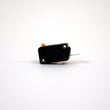
| Door safety system | Interlock switches, latch board adjustments beyond basic inspection | Usually no |
| Control electronics | Control board diagnosis, wiring repairs inside the cabinet | Usually no |
Quick triage: what the symptom usually means
- Runs but does not heat: often points to a heating circuit issue; see why is my microwave not heating.
- Completely dead (no display): power supply issue, outlet/GFCI, or a fuse; see how to replace a microwave fuse.
- Sparking or burn marks: stop using it until inspected; see how to repair arc or burn marks in a microwave video.
- Loud buzzing or burning smell: unplug and discontinue use; internal high-voltage problem is likely.
Why it matters
The NN-SN747S can look simple to service, but the high-voltage capacitor can retain a dangerous charge. Sticking to external checks and proven, low-risk fixes helps prevent injury and avoids turning a small problem into a bigger one.
Last updated: February 2026
Is it worth repairing a Panasonic microwave?
For a Panasonic NN-SN747S countertop microwave, repairing is worth it when the problem is a low-cost, common failure (door switch, fuse, turntable drive, or control issue) and the oven is otherwise in good condition. Replace the microwave when the repair involves the high-voltage heating system or repeated electrical failures.
Quick decision checklist
- Repair if the microwave still has normal power, lights, and fan, but one feature fails (turntable, keypad, door sensing).
- Repair if the issue is intermittent and tied to the door closing or starting (often door switches).
- Repair if the unit is clean inside, the door seals well, and there is no burning smell.
- Replace if it runs but does not heat and you suspect high-voltage parts (magnetron, diode, capacitor).
- Replace if it trips the breaker, blows fuses repeatedly, or shows signs of arcing.
- Replace if the cavity or door is damaged or the unit is heavily rusted.
Typical repair cost vs. replacement value
Because we do not have model-specific pricing or a parts list for NN-SN747S here, we use typical countertop microwave ranges to guide the decision.
| Scenario | Typical fix | Typical direction |
|---|---|---|
| Dead, no display | Fuse, door switch, thermal cutout | Usually worth repairing if simple |
| Runs but no heat | High-voltage system | Often replace |
| Sparks or burn marks | Waveguide cover or cavity damage | Repair only if minor and isolated |
| Keypad not responding | Control panel or board | Depends on part cost |
Safety and what we recommend you do first
Microwaves contain a high-voltage capacitor that can hold a dangerous charge even when unplugged. For anything beyond basic checks, we recommend a qualified technician.
Start with these safe steps:
- Unplug the microwave for 2 minutes, then restore power (rules out a control glitch).
- Test the outlet with another appliance (rules out a weak receptacle).
- Inspect the door for alignment and smooth latching (door switch problems are common).
- If it is not heating, stop using it and review why is my microwave not heating.
Why it matters
Choosing repair vs. replacement protects your time and budget. Simple electrical or door-sensing problems are often straightforward; high-voltage heating failures can cost more and carry higher safety risk.
Last updated: February 2026
What causes a Panasonic microwave to stop working?
For a Panasonic NN-SN747S countertop microwave that suddenly stops working, the most common causes are a power supply interruption, a blown internal fuse, a door switch problem, or a failed high-voltage component (such as the inverter board or magnetron). Start with safe, external checks, then move to door and fuse-related symptoms.
Quick checks we recommend first
- Confirm the outlet works by testing a lamp or another small appliance.
- Reset the power: unplug the microwave for 2 minutes, then plug it back in.
- Check the home breaker or GFCI outlet (many kitchens use GFCI protection).
- Make sure the door closes firmly; a misaligned latch can prevent operation.
- If the display is dead, focus on power, fuse, and door switches.
What the symptoms usually mean
| What you see | Most likely causes | What to do next |
|---|---|---|
| No display, no lights, no response | Outlet/GFCI, cord, internal fuse, door switch | Do the outlet and reset checks; then use a fuse/door-switch diagnostic path |
| Display works but it will not start | Door switches, door latch alignment, control issue | Re-seat the door, listen for latch clicks, inspect latch area |
| Runs (light/turntable) but does not heat | Inverter board, magnetron, high-voltage circuit | Use a heating-specific troubleshooting path |
| Stops mid-cycle | Overheating protection, failing door switch, inverter issue | Ensure vents are clear; reduce load; retest |
Door switch and latch issues (very common)
Microwaves use multiple interlock switches to prevent operation with the door open. If a switch sticks or the latch does not fully engage, the microwave can appear “dead” or refuse to start.
- Listen for a solid latch “click” when closing the door
- Check for food debris around the latch hooks
- Avoid slamming the door; it can knock the latch alignment off over time
Fuse and electrical troubleshooting (use caution)
If the unit is completely dead, an internal fuse is a frequent failure point, often triggered by a door-switch short, power surge, or component failure.
- Follow a step-by-step guide like how to replace a microwave fuse
- Use a testing guide like how to tell if a fuse is blown
- If you need to test circuits, use how to use a multimeter to test electrical parts video
Why it matters
A microwave that stops working can be a simple power issue, but it can also signal a door interlock or high-voltage failure. Correctly matching the symptom (dead display vs. no heat) prevents wasted time and helps you choose the right repair path.
Last updated: February 2026
What is the life expectancy of a Panasonic microwave?
Most Panasonic countertop microwaves, including model NN-SN747S, typically last 7 to 10 years with normal home use. Lifespan depends most on heat load (long cook times), ventilation, and keeping the cavity and door area clean so the unit does not overwork.
Typical lifespan and what changes it
- Light use (reheating, short runs): often closer to the high end of the range
- Heavy use (multiple long cycles daily): often closer to the low end of the range
- Poor airflow (tight cabinet, blocked vents): shortens life by overheating components
- Dirty waveguide cover or food splatter buildup: can cause arcing and early failure
- Power quality (frequent surges): can damage the control board or fuse
What usually fails first (and what it looks like)
| Symptom | Common cause area | What we recommend |
|---|---|---|
| Runs but does not heat | High-voltage system (magnetron, diode, capacitor) | Stop using and have it serviced; high voltage is dangerous |
| Dead, no display | Fuse, door switches, control board, outlet issue | Check outlet first; then follow safe fuse diagnostics |
| Sparks or burn marks | Waveguide cover, cavity damage, metal in food | Stop use and inspect; address arcing before it worsens |
| Loud buzzing or burning smell | High-voltage component stress | Unplug and schedule service |
How to extend the life of your NN-SN747S
- Keep vents clear and leave a few inches of space around the cabinet.
- Wipe the cavity after messy foods; splatter leads to hot spots and arcing.
- Never run it empty; it stresses the magnetron.
- Use microwave-safe containers only; avoid foil and metal trim.
- Use a surge protector rated for kitchen appliances when power is unstable.
Why it matters
A microwave that is overheating or arcing can quickly damage the magnetron and high-voltage parts, turning a small maintenance issue into a no-heat failure.
For related troubleshooting and safe DIY guidance, use: why is my microwave not heating and never do these things with a microwave.
Last updated: February 2026


