
Are circular saw blade nuts reverse thread?
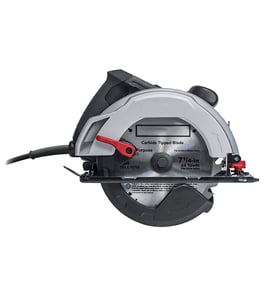
Yes, many circular saw blade nuts are reverse-thread (left-hand thread), but not all. On a Craftsman circular saw like model 31510961, the safest rule is: loosen the arbor (blade) nut in the same direction the blade rotates, because normal cutting force tends to self-tighten the nut during use.
How to tell which way to loosen the blade nut
Use these quick checks before you force it:
- Look for an arrow on the upper blade guard or shoe showing blade rotation.
- Check the arbor nut or flange for an “L” or arrow marking (some are stamped).
- Match the loosening direction to rotation: turn the wrench the same way the blade would spin.
- Use the spindle lock (if equipped) so you are not fighting the motor.
- Avoid impact force; steady pressure reduces the chance of rounding the nut.
Common thread directions (what you will usually see)
This is the typical pattern across many circular saw designs:
| Saw layout (typical) | Blade rotation (viewed from blade side) | Arbor nut thread (typical) | Loosen direction (typical) |
|---|---|---|---|
| Blade on right (many corded saws) | Clockwise | Left-hand (reverse) | Clockwise |
| Blade on left (many cordless saws) | Counterclockwise | Right-hand (standard) | Counterclockwise |
Why it matters
If you turn the arbor nut the wrong way, it can feel “stuck” and you can strip threads, round the nut, or damage the blade flange. Following the rotation rule protects the arbor, nut, and spindle lock.
Helpful DIY reference
If you are troubleshooting a saw that will not power on after reassembly, electrical testing basics help you work safely and avoid guesswork: how to use a multimeter to test electrical parts video.
Last updated: February 2026
What is a 140 tooth circular saw blade used for?
A 140-tooth circular saw blade is used for ultra-smooth, low tear-out cuts in thin sheet goods and trim materials. On a Craftsman 31510961 circular saw, this high tooth count is best for finish-quality cuts where edge cleanliness matters more than cutting speed.
Best uses for a 140-tooth blade
A 140T blade is a fine-finish blade; it shines when you want a clean edge with minimal splintering.
- Plywood and veneered panels (cabinet sides, shelving)
- Melamine and laminated sheet goods (with the right blade type)
- Hardboard and thin paneling
- Non-ferrous metals or plastics (only if the blade is rated for that material)
- Crosscuts in trim (baseboard, casing) when a miter saw is not available
What to expect (performance tradeoffs)
High tooth count changes how the saw feels and cuts.
| Feature | 140-tooth blade | Lower tooth blade (typical framing) |
|---|---|---|
| Cut quality | Very smooth | Rougher edge, more tear-out |
| Cutting speed | Slower | Faster |
| Motor load | Higher | Lower |
| Best for | Finish work | Framing, ripping |
Setup tips for cleaner cuts
These steps help you get the benefit of a 140T blade on the 31510961.
- Set blade depth so only about 1/4 inch of tooth extends below the material.
- Use a straightedge guide to prevent wandering and burning.
- Support the workpiece fully to reduce vibration and chipping.
- Let the blade reach full speed before entering the cut.
- Feed steadily; forcing the cut overheats the blade and can scorch wood.
Why it matters
Using a 140-tooth blade for the right jobs reduces splintering and rework (less sanding, less edge repair). Using it for heavy ripping or thick stock increases heat and strain on the saw, and it can shorten blade life.
For general DIY safety practices before changing blades or troubleshooting power issues, we recommend reviewing are diy appliance repairs safe.
Last updated: February 2026
What are the parts of a circular saw machine?
A Craftsman circular saw such as model 31510961 is built around a motor that spins a circular blade, plus controls and guards that help you cut accurately and safely. Most saws share the same core components even when the exact layout varies by model.
Main parts you’ll see on most circular saws
- Blade: The cutting disc; chosen by diameter, tooth count, and material type.
- Blade guard (upper and lower): Covers the blade; the lower guard retracts during a cut.
- Motor and housing: Provides power and protects internal components.
- Trigger switch: Turns the saw on and off.
- Trigger lock (safety): Helps prevent accidental starts.
- Handle and front grip: Primary and support hand positions for control.
- Base plate (shoe): Rides on the workpiece; supports straight, stable cuts.
Adjustment and guidance components
These parts control cut depth, angle, and alignment.
- Depth adjustment lever/knob: Sets how far the blade extends below the shoe.
- Bevel adjustment (0 to 45 degrees typical): Sets angled cuts.
- Rip fence/edge guide (if equipped): Helps keep a consistent distance from an edge.
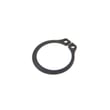
- Blade bolt and flange washers: Clamp the blade to the arbor.
| Component | What it does | Common symptom if it’s off |
|---|---|---|
| Base plate (shoe) | Keeps the saw stable on the cut | Wandering cuts, binding |
| Lower blade guard | Covers blade until you start cutting | Guard sticks, won’t retract smoothly |
| Depth adjustment | Controls cut depth | Excess tear-out, kickback risk |
| Bevel adjustment | Controls angle | Cuts not square or not at set angle |
Why it matters
Knowing the names of the circular saw parts helps you troubleshoot faster (for example, a sticking lower guard versus a dull blade) and makes it easier to match the right replacement component when you’re shopping by model number.
Helpful DIY reference
For safe electrical troubleshooting steps when a saw will not start, use our how to use a multimeter to test electrical parts video.
Last updated: February 2026
How to change an old Craftsman circular saw blade?
To change the blade on your Craftsman 31510961 circular saw, unplug the saw, lock the spindle, then remove the arbor bolt and outer washer so you can swap the blade. Install the new blade in the correct rotation direction and tighten the bolt securely.
Safety first
- Unplug the saw before touching the blade area
- Wear gloves and eye protection; carbide teeth are sharp
- Set the saw on a stable surface
- Keep the lower blade guard working freely
- Use the correct wrench so it does not slip
Blade change steps (typical for this style of Craftsman saw)
- Unplug the saw and set the depth to maximum for better access.
- Press and hold the spindle lock (blade lock).
- Retract the lower blade guard to expose the arbor bolt.
- Loosen the arbor bolt while holding the spindle lock (some saws use reverse threads; turn the direction that loosens on your saw).
- Remove the outer washer (flange) and slide the old blade off.
- Install the new blade so the blade arrow matches the saw’s rotation arrow.
- Reinstall the outer washer and arbor bolt; tighten firmly.
- Spin the blade by hand to confirm it clears the guard, then plug in and run a brief no-load test.
Quick checks that prevent wobble and binding
| Check | What to look for |
|---|---|
| Blade size and arbor | Common is 7-1/4 inch blade with 5/8 inch arbor; match your blade to the saw and old blade markings |
| Washers/flanges | Clean and flat; replace if bent or gouged |
| Blade direction | Teeth face the correct cutting direction; wrong direction cuts poorly and overheats |
Why it matters
A properly seated, correctly oriented blade cuts straighter, reduces kickback risk, and prevents extra load on the motor and bearings.
For help confirming you are using the right model information when selecting parts and specs, use how to find your appliance model number (and what it means for parts).
Last updated: February 2026
