Installation guide
 Owner’s manual
 Error Codes

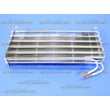
What is the advantage of a bottom mount fridge?
A bottom-mount refrigerator like the KitchenAid KBRS36FMX02 keeps the fresh-food section at eye and waist level, so you reach everyday items with less bending. The freezer sits below, which is convenient if you access refrigerated foods more often than frozen foods.
- Less bending for fresh foods: produce, drinks, and leftovers are easier to grab.
- Better organization for refrigerated items: shelves and bins are more visible at eye level.
- Freezer space is still generous: bottom freezers typically use deep drawers or baskets.
- Good airflow when used correctly: keeping vents clear helps maintain stable temperatures.
- Built-in look and fit options: many bottom-mount built-ins support panel-ready installations.
Bottom-mount designs are a great fit for most kitchens, but these are common considerations:
| Consideration | What it means for you |
|---|---|
| Freezer access | You’ll bend more often when using the freezer drawer/baskets. |
| Heavier freezer items | Large frozen foods may be harder to lift up and out. |
| Installation details | Built-in units often require precise clearances and panel thickness planning. |
This style depends on proper airflow between the refrigerator and freezer sections. When vents are blocked by food packages, airflow drops and you can see temperature swings, moisture issues, or uneven cooling. For vent locations and loading tips specific to your KBRS36FMX02, use the owner's manual.
If you’re using custom overlay panels, the installation guide includes panel thickness guidance so the grille and door panels sit flush. For those measurements and fit details, use the installation guide.
Last updated: February 2026
What is the average lifespan of a KitchenAid refrigerator?
KitchenAid refrigerators typically last 12 to 15 years on average, and many run 10 to 17 years with normal use and good maintenance. For your KitchenAid KBRS36FMX02 built-in bottom-mount refrigerator, consistent temperatures, clean airflow, and timely part replacement make the biggest difference.
A refrigerator’s life is mostly determined by how hard the sealed system and fans have to work.
- Installation and ventilation: built-in units need proper airflow around the machine compartment.
- Condenser cleanliness: dust buildup raises operating temperatures and run time.
- Door sealing: air leaks force longer compressor cycles.
- Water system upkeep: restricted filters can reduce dispenser flow and stress valves.
- Fan performance: weak airflow causes warm spots and longer run times.
Use these habits to help your KBRS36FMX02 reach its expected service life:
- Replace the water filter on schedule; use the correct refrigerator filter EDR5RXD1.
- Keep doors closing fully; avoid overloading door bins and shelves.
- Clean the condenser area and ensure vents are not blocked.
- Confirm the freezer drawer seals evenly all the way around.
- Address unusual noises early (often related to evaporator or condenser fan airflow).
Your owner's manual includes warranty coverage that helps explain which systems are designed for long service.
| Component area | What it includes | Why it matters for lifespan |
|---|---|---|
| Sealed refrigeration system | Compressor, evaporator, condenser, dryer, connecting tubing | Core cooling components; failures are typically the most expensive |
| Water filter (models with filter) | Filter coverage is limited | Filters are routine maintenance items |
| Door bins | Covered for the life of the product (per manual terms) | Indicates high-durability design for common-use parts |
Knowing the typical lifespan helps you decide when maintenance and repairs are cost-effective. If your KBRS36FMX02 is under about 12 years old, fixing airflow, sealing, or filtration issues often restores performance and extends service life.
Last updated: February 2026
How to remove bottom grill from KitchenAid refrigerator?
On the KitchenAid KBRS36FMX02 built-in bottom-mount refrigerator, the bottom grille (base grille) typically comes off by removing the screws at each end, then pulling the grille straight forward. This gives you access for cleaning and service tasks like checking the defrost pan.
- Unplug the refrigerator or switch power OFF (recommended for safety while working near wiring and fans).
- Locate the screws at the left and right ends of the base grille.
- Remove the end screws with a Phillips screwdriver.
- Pull the base grille straight forward to remove it.
- Use a soft towel or cardboard on the floor to protect the grille finish.
- Keep the screws together so they do not get lost.
- Pull straight out; twisting can crack plastic tabs or bend trim.
- If the grille feels stuck, re-check for hidden screws or a skirt piece attached to the grille.
Reinstall is the reverse of removal: align the grille to the lower frame, seat it evenly, then reinstall the end screws.
- Grille sits flush and level across the front
- No gaps at the corners
- Doors open freely without rubbing the grille
Removing the base grille is commonly done to clean the defrost pan area and improve airflow. Keeping these areas clean helps reduce odors, helps efficiency, and supports stable refrigerator temperatures.
| Task | Why you remove the grille | Typical frequency |
|---|---|---|
| Clean defrost pan area | Helps prevent odors and buildup | As needed |
| General cleaning access | Improves airflow around service area | Periodically |
| Service access | Allows inspection during troubleshooting | As needed |
- Some installations use a two-piece base grille setup (a grille plus a skirt) for a custom fit to the floor.
- For diagrams and the exact fastener locations for your configuration, use the installation guide.
Last updated: February 2026
What is the most common problem with KitchenAid refrigerators?
The most common KitchenAid refrigerator issues are ice maker problems and cooling or temperature swings. On your KitchenAid KBRS36FMX02 built-in bottom-mount, these symptoms usually trace back to airflow problems (dirty condenser area, fan issues), water supply or filter restrictions, or a sensor/control problem; start with the quick checks in the owner's manual.
- Ice maker not making ice, slow ice production, or small/hollow cubes
- Refrigerator section too warm or freezer too warm
- Frost buildup on the back wall or around vents
- Unusual fan noise (whirring, rubbing, intermittent buzzing)
- Water leaking inside the fresh food section (often after defrost)
- Confirm temperatures: set refrigerator to about 37°F and freezer to about 0°F.
- Check airflow: keep vents clear; avoid packing items tight against the back wall.
- Clean the condenser area: dust buildup reduces cooling and can trigger temperature complaints.
- Inspect the water filter and flow: a restricted filter can reduce ice production and water flow.
- Listen for fans: a failing evaporator fan can cause warm temps and uneven cooling.
If troubleshooting points to a failed component, these are common matches for the symptoms above:
| Symptom | Common suspect | Example part for this model |
|---|---|---|
| Ice maker not working or slow | Ice maker assembly | Refrigerator ice maker WPW10277450 |
| Warm temps, poor circulation, fan noise | Evaporator fan motor | Refrigerator evaporator fan motor W11671461 |
| Temps fluctuate or seem inaccurate | Temperature sensor | Refrigerator temperature sensor WP2188820 |
| Low ice output, poor water flow | Water filter | Refrigerator filter EDR5RXD1 |
Ice maker and temperature problems usually get worse over time: restricted airflow can overwork the compressor, and a weak fan or inaccurate sensor can lead to food spoilage and heavy frost. Catching the root cause early keeps the sealed system running efficiently.
If the issue started right after moving the refrigerator, replacing a filter, or reconnecting the water line, verify the water line routing, shutoff valve position, and leveling steps in the installation guide.
Last updated: February 2026