Owner’s manual
 Error Codes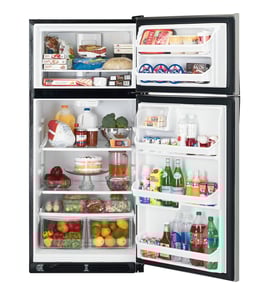

Are all refrigerators 70 inches high?
No. Refrigerators are not all 70 inches high; heights vary by style and capacity. For a Kenmore top-mount refrigerator like model 10674263400, many units are closer to the mid-60-inch range, but the exact installed height depends on leveling feet, hinges, and clearances listed in the 10674263400 owner's manual.
Typical refrigerator height ranges (what we see most often)
Refrigerator height is driven mainly by configuration (top-mount, side-by-side, French door) and overall cubic-foot capacity.
- Top-mount (freezer on top): commonly about 61 to 67 inches
- Side-by-side: commonly about 65 to 71 inches
- French door: commonly about 68 to 70+ inches
- Built-in or specialty units: often taller than 70 inches
How to measure height the right way
Measure before you buy, move, or build cabinetry around a refrigerator.
- Measure floor to the highest point (often the top hinge cover)
- Confirm whether you are measuring the cabinet or the installed height
- Check that the refrigerator is level; front leveling legs can raise height
- Allow for air circulation clearance at the top and sides
- If you have an ice maker or water line, plan for rear clearance
Clearance planning (quick reference)
The manual guidance for ventilation and door swing matters as much as the cabinet height.
| What you are planning for | What to allow | Why it matters |
|---|---|---|
| Side and top ventilation | About 1/2 inch | Helps cooling efficiency and prevents overheating |
| Wall-side door swing | About 2 inches (varies by setup) | Helps doors open fully and bins clear the wall |
| Rear space (water line) | Extra space as needed | Prevents kinks and leaks at the connection |
Why it matters
If the refrigerator is too tall for the opening, you can end up with poor ventilation, doors that do not open fully, and harder service access. Getting the installed height and clearances right helps your Kenmore 10674263400 cool properly and fit your kitchen cleanly.
Last updated: February 2026
What are the disadvantages of a top mount fridge?
Top-mount refrigerators like the Kenmore 10674263400 are reliable and efficient, but the main disadvantages are less convenient fresh-food access (you bend more), fewer organization features than many bottom-freezer designs, and fewer built-in dispenser options depending on the exact configuration (see the 10674263400 owner's manual).
Common disadvantages you will notice day to day
- Fresh-food section is lower: you reach down more often for produce, drinks, and leftovers.
- Freezer is at eye level: great for frozen items, but it pushes the most-used compartment (refrigerator) lower.
- Organization can be simpler: fewer specialty drawers/bins in many top-mount layouts.
- Airflow can be easier to block: the manual warns not to block vents; blocked vents can cause temperature and moisture problems.
- Fewer “premium” features on many models: external water and ice dispensers are less common on top-mount units.
What matters most for performance (and how top-mount design affects it)
Your Kenmore 10674263400 circulates air between the freezer and refrigerator sections. When food packages block vents, airflow drops and you can get warm spots, freezing in the fresh-food section, or excess moisture.
Quick airflow checklist
- Keep packages away from freezer floor and wall vents
- Do not overpack the top shelf near the refrigerator vent
- Wrap foods tightly to reduce odor transfer between sections
- Let temperatures stabilize for a full day after major loading changes
Top-mount vs. bottom-freezer: quick comparison
| Feature | Top-mount refrigerator (like 10674263400) | Bottom-freezer refrigerator |
|---|---|---|
| Fresh-food access | Lower, more bending | Higher, easier access |
| Freezer access | Higher, easier access | Lower, more bending |
| Typical layout | Simpler bins/shelves | Often more organizers |
| Dispenser options | Less common | More common |
Why it matters
If your household uses fresh foods more than frozen foods, the top-mount layout can feel less ergonomic. If you use the freezer heavily, having it on top can be a real advantage.
Last updated: February 2026
How do you fix a refrigerator that is not cooling on top?
If your Kenmore 10674263400 is cold in the freezer but warm in the top refrigerator section, the most common fix is restoring airflow: make sure the top vent into the fresh-food section is not blocked and that the temperature controls are not set to OFF. Use the 10674263400 owner's manual to confirm vent locations and control settings.
Quick checks that solve most “not cooling on top” complaints
- Clear packages away from the air vents in both sections; blocked vents stop cold air from reaching the top compartment.
- Confirm the refrigerator control is not set to OFF and is near the factory mid-setting.
- Wait a full 24 hours after any control change before judging results.
- Make sure the doors close fully and the gaskets seal all the way around.
- Verify the refrigerator has proper ventilation space around the cabinet (tight installs can reduce cooling performance).
What to do based on what you observe
| What you notice | Likely cause | What we recommend |
|---|---|---|
| Freezer is cold, top is warm | Airflow blocked or evaporator fan issue | Clear vents first; if no improvement, inspect the evaporator fan area and consider the refrigerator evaporator motor WPW10189703. |
| Both sections are warm | Controls off, power issue, or sealed system/compressor problem | Confirm controls and power first; if running but not cooling, professional diagnosis is typically needed. |
| Top cools only near the vent | Restricted airflow | Repack food to keep vents open; avoid overfilling shelves. |
When a part is commonly involved
If vents are clear and settings are correct but the refrigerator section still will not cool, the evaporator fan may not be moving air from the freezer into the fresh-food compartment.
- If you do not hear a fan running when the compressor is running, the fan motor can be the issue.
- If you hear rubbing or rattling, the fan blade can be damaged or obstructed.
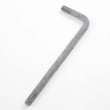
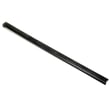
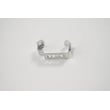
Relevant parts for this model include:
Why it matters
This model circulates cold air between the freezer and refrigerator sections; when vents are blocked or the evaporator fan is not pushing air, the freezer can stay cold while the top compartment warms up, leading to food spoilage.
Last updated: February 2026
What are the most common problems with Kenmore refrigerators?
The most common problems we see on Kenmore refrigerators like model 10674263400 are poor cooling, water leaks, ice maker issues, and unusual noises. These usually trace back to airflow problems (dirty coils or a failed fan), defrost system trouble, or worn door gaskets; the 10674263400 owner's manual covers normal operation and key checks.
Most common symptoms and what they usually mean
- Not cooling or warm temperatures: restricted airflow, dirty condenser coils, evaporator fan problem, or defrost ice buildup.
- Frost buildup in the freezer: defrost system issue (heater, thermostat, or timer/control depending on design).
- Water puddles inside or under the refrigerator: clogged/iced defrost drain, loose water line, or door not sealing.
- Ice maker not making ice: water supply issue, frozen fill tube, or ice maker failure.
- Clicking, buzzing, or rattling: normal operating sounds in some cases; otherwise fan blade interference, failing fan motor, or compressor start components.
Model-specific parts that commonly relate to these problems
If your symptom matches one of these areas, these parts are frequently involved on this model:
| Symptom | Common area to check | Example part for 10674263400 |
|---|---|---|
| Warm fridge/freezer, weak airflow | Evaporator fan system | Refrigerator evaporator motor WPW10189703 |
| Fan noise or rubbing sound | Fan blade hitting ice/shroud | Fan blade WP2163777 |
| Frost buildup, warm temps | Defrost protection/controls | Defrost bi-metal WP4387503 |
| No ice production | Ice maker assembly | Ice maker assembly - refrigerator ice maker by whirlpool 4317943 |
Quick checks we recommend before replacing parts
- Confirm vents are not blocked and allow space for proper air circulation (covered in the manual).
- Listen for the evaporator fan running when the compressor is on; no fan often means no cooling in the fresh food section.
- Check door gaskets for gaps, tears, or sticking; clean the gasket and the sealing surface.
- If you have an ice maker, allow 24 hours for the first batch after setup; discard the first batches as directed in the manual.
- If the unit wobbles or doors do not close well, level the refrigerator and adjust doors as outlined in the manual.
Why it matters
Most “big” refrigerator complaints (warm temps, leaks, ice maker failures) start as small airflow or sealing problems. Catching them early helps prevent food spoilage, excessive frost, and strain on the compressor.
Last updated: February 2026
Which is better, top mount or bottom mount refrigerator?
A top-mount refrigerator like Kenmore 10674263400 is the better choice when you want a simpler, typically more budget-friendly layout and you use the freezer often. A bottom-mount is better when you want fresh-food items at eye level and less bending during daily use.
Quick comparison
| Feature | Top mount (freezer on top) | Bottom mount (freezer on bottom) |
|---|---|---|
| Best for | Frequent freezer use | Frequent fresh-food use |
| Everyday reach | Freezer is easiest to reach | Refrigerator section is easiest to reach |
| Layout | Simple shelves and bins | Often more drawers and pull-outs |
| Typical price | Lower | Higher |
| Common tradeoff | More bending for fridge items | More bending for freezer items |
Choose a top-mount if these sound like you
- You grab frozen foods daily and want the freezer at a comfortable height.
- You prefer a straightforward design with fewer moving drawer systems.
- You want easier cleaning and simpler organization.
- You want a layout that is easy to live with long-term.
Choose a bottom-mount if these sound like you
- You cook often and want produce, dairy, and leftovers at eye level.
- You want less bending for the items you use most.
- You like freezer drawers for sorting and visibility.
Installation and care details that matter (either style)
Your Kenmore 10674263400 manual includes specific guidance on clearances for ventilation and door swing, plus safety and care instructions. Use the 10674263400 owner’s manual to confirm the exact spacing for your kitchen and setup.
- Leave the recommended airflow space around the cabinet for proper cooling.
- Level the refrigerator so doors close smoothly and seal consistently.
- Avoid placing the refrigerator near heat sources.
Why it matters
The “better” style is the one that matches what you reach for most. Better ergonomics reduces door-open time, helps temperatures stay stable, and supports consistent sealing and efficient cooling.
Last updated: February 2026