Owner’s manual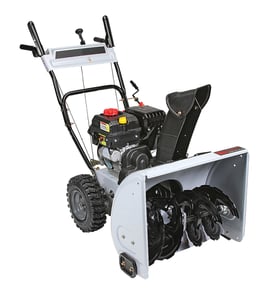




What is the life expectancy of a snowblower?
For the MTD snow thrower model 31AS6BEE700, the Operator’s Manual lists an Average Useful Life of 7 years or 60 hours of operation; with consistent maintenance and timely replacement of normal-wear parts, many gas snowblowers deliver reliable service beyond that benchmark (especially for typical residential use).
What “life expectancy” means for this model
The manual’s “Average Useful Life” is a safety and emissions benchmark, not a hard stop date. It is the point where we recommend stepping up inspections and maintenance so the auger/impeller, drive system, and controls stay safe and dependable.
Best reference: Owner's manual
What shortens snowblower life fastest
- Running old fuel or storing with fuel in the carburetor
- Skipping oil changes and seasonal lubrication
- Hitting gravel, ice chunks, or curbs (auger impact damage)
- Worn belts that slip and overheat
- Ignoring abnormal vibration (often indicates damage or loose hardware)
Maintenance that extends service life
- Change engine oil on schedule; check level before each use
- Use fresh fuel and stabilize fuel for storage
- Lubricate moving points and inspect cables for smooth operation
- Check belt condition and tension; replace if glazed, cracked, or stretched
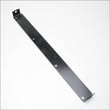
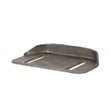
- Replace wear items before they cause secondary damage (skid shoes, shave plate, shear pins)
Common wear parts and what they affect
| Wear item | What you’ll notice when worn | Why it matters |
|---|---|---|
| Belts | Slipping, weak drive or weak auger engagement | Prevents loss of power transfer and overheating |
| Skid shoes / shave plate | Scraping too low, poor scraping, uneven clearing | Protects housing and improves clearing performance |
| Shear pins | Auger stops turning after impact | Protects gearbox and auger system from damage |
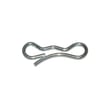
If you’re seeing drive slip, a worn belt is a frequent cause; the belt 256963 is one of the listed replacement options for this model.
Why it matters
A snowblower that is past its average useful life can still run well, but worn belts, cables, and hardware increase the chance of poor performance or unsafe operation. Staying ahead of wear parts keeps your MTD 31AS6BEE700 clearing consistently and helps protect major assemblies like the auger housing and gearbox.
Last updated: February 2026
Is a 2 stage or 3 stage snowblower better?
A 2-stage snowblower is the better choice for most homeowners because it handles typical driveway snow efficiently with fewer moving parts. A 3-stage snowblower is better when you regularly face deep, wet, or icy snow and want faster intake and throwing performance.
Quick comparison
| Feature | 2-stage snowblower | 3-stage snowblower |
|---|---|---|
| Snow intake system | Auger feeds an impeller | Accelerator plus auger feeds an impeller |
| Best for | Most paved driveways; moderate to heavy snow | Deep, wet, packed, or icy snow; large areas |
| Speed through heavy snow | Good | Faster |
| Weight and complexity | Lower | Higher |
| Typical maintenance | Belts, shear pins, skid shoes | Same items, plus more drivetrain complexity |
How to choose for your needs
- Choose 2-stage if you clear a standard driveway and want strong performance with simpler upkeep.
- Choose 3-stage if you often hit end-of-driveway plow berms, heavy wet snow, or frequent icing.
- If storage space matters, 2-stage units are typically easier to maneuver and store.
- If you want fewer wear points and easier DIY service, 2-stage is usually the better fit.
- If you prioritize clearing speed in extreme conditions, 3-stage is the upgrade.
What matters for your MTD 31AS6BEE700
Your MTD 31AS6BEE700 is a snow thrower designed around common service items like belts, skid shoes, and shear pins. No matter which stage count you choose, keeping these wear parts in good shape has the biggest impact on real-world performance:
- Replace worn belts to maintain strong auger and drive engagement.
- Keep spare shear pins on hand to protect the auger/gearbox when you hit hidden objects.
- Adjust skid shoes for your surface (higher for smooth pavement; lower clearance for gravel to protect the shave plate).
For model-specific operating and adjustment details (controls, skid shoe setup, chute angle changes, and safe operation), use the owner's manual.
Why it matters
Stage count affects how aggressively the machine pulls in snow and how quickly it clears tough conditions. For most driveways, the right setup and maintenance (belt condition, skid shoe adjustment, and correct shear pins) makes a bigger difference than moving from 2-stage to 3-stage.
Last updated: February 2026
How do I tell how old my snowblower is?
To tell how old your MTD snow thrower model 31AS6BEE700 is, we use the model and serial number tag on the machine and decode the serial number. The exact year is determined by the serial-number format used on your unit; your owner's manual shows where to find identification labels.
Where to find the model and serial number
Look for a label or stamped tag in one of these common spots:
- Main frame near the engine
- Rear of the unit near the handles
- Side of the auger housing
- Under a belt or frame cover area (after the unit is off and cooled)
- Engine shroud (engine model and serial are separate from the snowblower)
How to decode the year (practical approach)
Once you have the serial number, decode it using the format that matches your tag.
- Write down the full serial number exactly as shown
- Look for a 2-digit year (often near the beginning of the serial)
- If the tag uses a date code, identify the year portion first, then the day or week
- If the snowblower tag is unclear, use the engine serial/date code as a secondary clue
- Confirm by comparing the decoded year with the machine’s features and parts diagrams for 31AS6BEE700
Common serial-number patterns you may see
| Pattern type | What it looks like | What it usually means |
|---|---|---|
| Year + day-of-year | YYDDD... |
YY = year, DDD = day of year |
| Year + week | YYWW... |
YY = year, WW = week number |
| Mixed letters/numbers | A1B2... |
One character indicates year (varies by series) |
Why it matters
Knowing the build year helps us match the correct OEM replacement parts and service procedures, especially for wear items like belts, skid shoes, and shave plates that can change across production runs.
Safety note before checking tags
If you need to move covers to see a label, shut the engine off, wait for all moving parts to stop, and disconnect the spark plug wire before inspecting.
Last updated: February 2026
What is the best snow blower for the money?
For the best value, we match the snowblower to your snowfall and driveway size: a single-stage is the best buy for light, frequent snow on paved areas, while a two-stage (like many MTD 600-series machines) is the best value for deeper snow and end-of-driveway plow piles because it throws farther and handles packed snow better. For safe operation and feature details, use the owner's manual.
Quick value guide (what to buy)
- Light snow (up to ~6 in.) and small paved areas: single-stage (lower cost, lighter, faster to maneuver)
- Moderate to heavy snow (6 to 18+ in.) and larger areas: two-stage (best overall value in tough winters)
- Gravel or uneven surfaces: two-stage with adjustable skid shoes (helps prevent picking up rocks)
- Noise-sensitive areas: cordless electric (quiet, low maintenance)
- Long driveways and wet snow: gas two-stage (strongest sustained power)
Best “for the money” by use case
| Your situation | Best value type | Why it’s the best buy |
|---|---|---|
| Small driveway, light snow | Single-stage gas or corded electric | Lowest cost per season for light duty |
| Typical Midwest/Northeast storms | Two-stage gas | Best performance per dollar in deeper snow |
| Tight storage, quick grab-and-go | Cordless electric | No fuel, easy starts, minimal upkeep |
| Gravel driveway | Two-stage gas with skid shoe adjustment | Better clearance control and durability |
What to look for so you do not overpay
- Clearing width: buy for your driveway size, not maximum specs
- Intake height and housing strength: matters for plow berms and packed snow
- Skid shoe adjustment: important on gravel; our manual notes gravel can be thrown and cause damage
- Shear pins included and easy to replace: protects the auger/gearbox when you hit an obstruction
- Serviceable wear parts: belts, skid shoes, and shave plate should be readily available
Why it matters
Buying the right “value” snowblower is really about avoiding the wrong class: undersizing leads to clogging and slow clearing; oversizing costs more up front and is harder to maneuver. If you already own an MTD 31AS6BEE700, keeping wear items fresh (belt, skid shoes, shave plate, shear pins) usually delivers the best cost-per-season.
Last updated: February 2026
How do I find MTD replacement parts?
For your MTD snow thrower model 31AS6BEE700, the fastest way to find the right replacement parts is to match the model number from the model plate on the machine, then use that model to select parts by diagram and description. Your owner's manual shows where to find the model plate.
Where to find the model and serial number
MTD places the model plate in a consistent spot on many snowblowers.
- Stand at the operator’s position (behind the handles)
- Look at the lower, rear section of the frame
- Record the model number and serial number exactly as shown
- Keep the numbers with your maintenance records for future repairs
How we recommend searching for parts (best to least effort)
Use this order to avoid wrong-part returns and downtime.
- Search by model number: 31AS6BEE700 (most accurate)
- Browse the parts diagrams for your exact model and confirm the part location
- Match the part description to what you’re replacing (belt, cable, skid shoe, shave plate)
- Confirm hardware style and size (nuts, cotter pins, carriage bolts) before ordering
Common replacement parts customers look for
These are frequent wear items on gas snowblowers; confirm fit by model diagram before ordering.
| Part type | What it affects | Common symptom when worn |
|---|---|---|
| Drive/auger belt | Auger or drive engagement | Slipping, no movement, weak throwing |
| Shear pin | Auger protection | Auger stops turning after jam |
| Skid shoe / shave plate | Scraping height and housing protection | Poor scraping, uneven clearing, excessive wear |
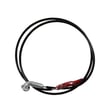
| Control cable | Engagement and speed control | Handle feels loose, won’t engage consistently |
Why it matters
Snowblower parts are highly model-specific; even small differences in belt length, cable ends, or skid shoe shape can cause poor performance or damage. Using the exact model number from the frame keeps your MTD 31AS6BEE700 repair accurate.
Last updated: February 2026