Owner’s manual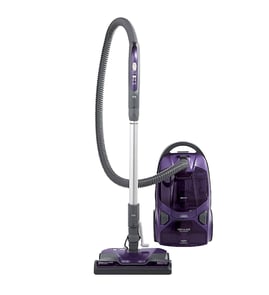

Where to find model number on Kenmore canister vacuum?
Your Kenmore canister vacuum model number (such as 11625914507) is printed on the Model and Serial Number Plate on the vacuum. We recommend writing down both the model and serial number because you will need them to look up parts, diagrams, and service information in the owner's manual.
Check these common spots where the ID plate is typically placed on Kenmore canister vacuums:
- On the underside of the canister body (flip the canister over and look near the wheels)
- On the back or bottom of the canister, near the cord rewind area
- Near the bag door or behind the dust bag cover
- On the rear panel where the hose plugs into the canister
- On a sticker or metal plate with both model and serial numbers
Write down the full model number and serial number exactly as shown.
| Item to record | Example | Why it matters |
|---|---|---|
| Model number | 11625914507 | Ensures you get the correct Kenmore parts list and diagrams |
| Serial number | (varies) | Helps match production versions when parts change |
If the plate is worn or dirty, these steps usually make it readable again:
- Wipe the label gently with a damp cloth and dry it
- Use a flashlight at an angle to highlight faded printing
- Take a close-up photo and zoom in
- Look for a second label inside the bag compartment
Kenmore canister vacuums often have similar-looking housings and attachments across multiple models. Using the exact model number (and serial number when available) prevents ordering the wrong vacuum bag, filter, hose, wand, or Power-Mate style attachment.
Last updated: February 2026
How long do Kenmore canister vacuums last?
A Kenmore canister vacuum like model 11625914507 typically lasts 10 to 15 years with normal household use and consistent maintenance. The biggest lifespan drivers are keeping airflow strong (clean filters, clear clogs) and replacing wear items like bags and belts on schedule.
Most canister vacuums fall into a predictable range based on use and care:
- Light use (1 to 2 times/week): often 12 to 15 years
- Moderate use (3 to 5 times/week): often 10 to 12 years
- Heavy use (daily, pets, large homes): often 7 to 10 years
- Poor maintenance (clogged filters/bag, frequent overheating): often 5 to 8 years
| What you do | What it protects | Result |
|---|---|---|
| Change bags before they overfill | Motor and suction airflow | Longer motor life |
| Replace motor safety and exhaust filters | Motor cooling and dust control | Fewer overheating issues |
| Clear clogs in hose/wand/nozzle | Fan and motor load | Better suction, less strain |
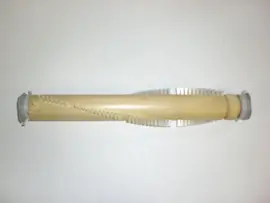
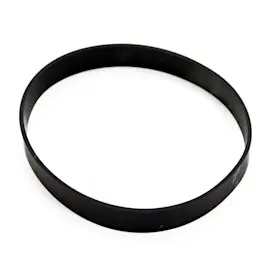
| Replace brush/belt when worn | Power nozzle performance | Better carpet cleaning |
We recommend these simple habits for Kenmore canister vacuums:
- Keep the bag from getting packed full (reduced airflow shortens motor life)
- Change the motor safety filter and exhaust filter as directed
- Check for clogs when suction drops (hose, wand, nozzle, and attachments)
- Inspect the power nozzle belt and brush roll for wear if carpet cleaning declines
- Clean the exterior and attachments so seals and connections stay tight
For model-specific maintenance intervals and procedures (bag changing, filter changes, belt/agitator care), follow the owner's manual.
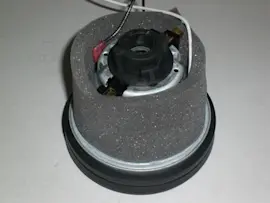
A canister vacuum’s motor depends on airflow for cooling. When bags, filters, or air paths clog, the motor runs hotter and under higher load, which is the fastest way to shorten the vacuum’s service life.
Last updated: February 2026
What are the parts of the vacuum?
For the Kenmore 11625914507 canister vacuum, the main parts include the canister (motor and bag area), hose, wand, Power-Mate nozzle, and the filter system (motor safety filter and exhaust filter). These components work together to create suction, capture dirt in the bag, and clean floors with attachments.
- Canister body: houses the suction motor, cord reel, and dust bag compartment
- Dust bag: collects debris; always install a bag before use
- Hose (with electrical wiring): carries airflow and, on powered setups, electrical connections for the nozzle
- Telescoping wand: adjusts length for reach and comfort
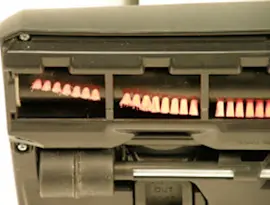
- Power-Mate nozzle: the powered floor nozzle that agitates carpet (often includes a headlight)
- Filters: motor safety filter and exhaust filter help protect the motor and reduce dust in exhaust air
The owner's manual for this Kenmore canister vacuum highlights several key Power-Mate and wand features you may use often:
| Component | What it does | Where you use it |
|---|---|---|
| Wand length adjust button | Changes wand length | While vacuuming floors, stairs, ceilings |
| Quick release button/pedal | Lets you detach the wand/nozzle quickly | Switching tools and attachments |
| Pile height pedal | Adjusts nozzle height for carpet type | Carpet cleaning performance |
| Protector/belt reset button | Helps recover from a jam/overload | After a brush roll obstruction |
Knowing the parts helps you troubleshoot common problems fast. For example, low suction is often tied to a full bag, a clogged hose, or a dirty filter; brush roll issues are often tied to the belt, obstructions, or pile height settings.
- Unplug before connecting or disconnecting the hose, nozzle, or attachments.
- Do not use the vacuum without the dust bag and filters in place.
- Change the dust bag after picking up fine powders (they can clog airflow and damage the vacuum).
- Do not pick up sharp objects; they can damage the bag or internal pathways.
Last updated: February 2026
Who makes Kenmore canister vacuum cleaners?
Kenmore is a brand name used on canister vacuums (including model 11625914507), and the actual manufacturer can vary by model and production run. For the most accurate maker information for your specific unit, we recommend checking the identification details and parts information shown in the owner's manual.
Use these quick checks to tie your vacuum to the correct maker and parts system:
- Look for the model and serial number plate on the vacuum (the manual notes this plate is used when requesting information).
- Confirm the full model number format; Kenmore canister models often appear as 116.25914 or 116.25915 in documentation.
- Check whether the plate lists an OEM name (sometimes shown as a manufacturer or factory code).
- Match the model number on the plate to the model number you use when ordering bags, filters, belts, or a light bulb.
- Use the parts diagrams and lists associated with the model number to keep compatibility correct.
Kenmore does not operate as a single vacuum factory; it is a brand applied to products built by different manufacturers over time. That is why two Kenmore canister vacuums can look similar but use different components (for example, different bag collars, exhaust filters, or Power-Mate belt styles).
| What you need | Why the maker matters | What to do |
|---|---|---|
| Vacuum bags | Bag mount and collar style vary | Match by model number and diagram |
| Filters (motor safety, exhaust) | Sizes and frames differ | Replace using the model-specific listing |
| Belts / brush roll parts | Power nozzle designs vary | Use the belt type specified for your Power-Mate |
| Light bulb | Base style and wattage vary | Follow the manual’s maintenance section |
Using the correct manufacturer-specific parts prevents poor suction, air leaks, overheating, and premature wear on the motor and Power-Mate. It also avoids ordering the wrong consumables (bags, belts, filters), which are designed to be replaced during normal use.
Last updated: February 2026