 Error Codes


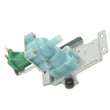
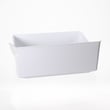

Are bottom mount fridges better?
A bottom-mount refrigerator like Kenmore model 59671812101 is “better” when you use the fresh-food section most often; it keeps everyday items at eye level and puts the freezer down low. If you access frozen foods constantly, a top-freezer layout can feel more convenient.
What “better” usually means in day-to-day use
Bottom-mount designs are popular because they reduce bending for the items most households grab the most.
- Fresh foods are easier to see and reach (less crouching)
- Wider refrigerator shelves often fit platters and meal prep containers well
- Freezer drawers can hold bulky frozen items, but you may need to dig for smaller packages
- Organization depends heavily on drawer bins, dividers, and how you load the freezer
- Door swing and drawer clearance matter in tighter kitchens
Quick comparison: bottom-mount vs top-freezer
| Feature | Bottom-mount refrigerator | Top-freezer refrigerator |
|---|---|---|
| Most-used items | Easier access to fresh food | Easier access to frozen food |
| Ergonomics | Less bending for fridge items | More bending for fridge items |
| Freezer storage | Drawer style, good for large items | Shelf style, easier to see small items |
| Best fit for | Fresh-food heavy households | Frozen-food heavy households |
How to decide for your kitchen
Use these checks before you commit to a bottom-mount layout.
- Measure aisle space for the freezer drawer to open fully
- Think about who uses the freezer most (kids, meal prep, bulk shoppers)
- Consider your typical grocery mix (fresh produce vs frozen)
- Check whether you prefer freezer drawers (stacking) or shelves (visibility)
- Plan for airflow and cleaning access behind and underneath the unit
Why it matters
Choosing the right configuration affects comfort, food visibility, and how well you can organize groceries. For many homes, bottom-mount models feel more efficient because the refrigerator compartment is the primary workspace.
For help with common Kenmore refrigerator issues that can affect performance (cooling, sensors, display alerts), use our Kenmore 795 model bottom freezer refrigerator error codes guide as a practical reference for troubleshooting patterns.
Last updated: February 2026
How do I know what model Kenmore refrigerator I have?
Your Kenmore refrigerator’s model number is printed on the appliance data label; once you find it, you can match it to the correct parts list and diagrams for your exact unit (for example, this page is for Kenmore model 59671812101). The model number is the most reliable way to identify your refrigerator.
Where to find the model number label
On most Kenmore bottom-mount refrigerators, we typically see the model/serial label in one of these spots:
- Inside the fresh food (refrigerator) compartment on a side wall
- On the ceiling of the fresh food compartment near the light housing
- Behind or beside the crisper drawers (you may need to slide drawers out)
- Along the door frame or cabinet edge (visible when the door is open)
- Near the bottom front area behind the toe grille or kick plate (if equipped)
What the model number looks like (and what to write down)
Use the full model number exactly as shown on the label.
| What to capture | Example | Why it matters |
|---|---|---|
| Model number | 59671812101 | Ensures the correct parts, diagrams, and fit |
| Serial number | (varies) | Helps confirm production run when parts changed |
| Prefix (first 3 digits) | 596 | Often indicates the manufacturing source family |
Quick tips to avoid common mistakes
- Copy every digit; do not drop leading zeros.
- Do not use the door style (bottom freezer, French door) as the “model”; it is not specific enough.
- If the label is worn, take a clear photo and zoom in to read it.
- If you see multiple numbers, use the one labeled MODEL (not “PATENT” or “SERVICE”).
Why it matters
Kenmore refrigerators are built by different manufacturers across different model families. Using the exact model number (like 59671812101) prevents ordering the wrong items such as door bins, drawers, water filters, ice maker parts, or evaporator fan components.
Related help for Kenmore refrigerators
If you are troubleshooting and see a code or flashing display, use our error code resources to narrow down the failure faster: Kenmore 795 model bottom freezer refrigerator error codes.
Last updated: February 2026
How to tell if a Kenmore refrigerator compressor is bad?
On Kenmore model 59671812101, a bad compressor usually shows up as both sections warming up even though lights and fans may still run; you may also hear repeated clicking or buzzing as the compressor tries to start and then shuts off on overload.
Quick signs the compressor is the likely problem
- Fridge and freezer are both warm after hours of running
- Repeated click every few minutes from the back of the unit
- Loud buzz or hum followed by a click (start attempt then overload)
- Condenser fan runs, but the compressor will not stay running
- Evaporator fan runs, but there is little to no cold air
Rule out common look-alikes first
Many “compressor” symptoms are caused by airflow or defrost problems. Check these basics before assuming a sealed-system failure:
- Condenser coils: heavy dust buildup reduces cooling
- Condenser fan: must run when the compressor runs
- Evaporator fan: must move air through the freezer and into the fresh-food section
- Evaporator frost pattern: a solid frost blanket points to a defrost issue
- Door gaskets: gaps cause long run times and weak cooling
Related DIY help:
Symptom-to-cause cheat sheet
| What you notice | More likely cause | What to do next |
|---|---|---|
| Clicks repeatedly, compressor not running | Start device/overload or locked compressor | Have start components and compressor electrically tested |
| Fans run, no cooling, little or no frost | Sealed system not pumping | Schedule sealed-system diagnosis |
| Heavy frost on evaporator cover | Defrost failure | Diagnose defrost system components |
Why it matters
Compressor and sealed-system repairs are major; ruling out fans, airflow restrictions, and defrost frost buildup first prevents replacing the wrong component and restores cooling faster.
Last updated: February 2026
What are the most common problems with Kenmore refrigerators?
The most common problems we see on Kenmore refrigerators like model 59671812101 are cooling failures, water leaks, ice maker and dispenser issues, frost buildup, and unusual noises. These symptoms usually trace back to airflow restrictions, dirty condenser coils, a failing fan motor, or a door seal that is not closing tightly.
Most common symptoms and what they usually mean
- Not cooling or warm fridge section: dirty condenser coils, evaporator fan not running, blocked air vents, or a defrost problem
- Freezer cold but fridge warm: iced-over evaporator, stuck damper, weak evaporator fan, or overpacked shelves blocking airflow
- Water leaking or puddles: clogged defrost drain, cracked water line, loose filter housing, or a leaking water inlet valve
- Ice maker not making ice: low water pressure, frozen fill tube, bad inlet valve, or ice maker module failure
- Noisy operation (buzzing, rattling, clicking): condenser fan hitting debris, evaporator fan blade rubbing ice, or a start relay issue
- Frost buildup: door left ajar, torn/warped gasket, or defrost system failure
Quick checks we recommend before replacing parts
- Confirm temperatures: set refrigerator to about 37°F and freezer to about 0°F; allow 24 hours to stabilize.
- Clean condenser coils (under or behind the unit): heavy dust can cause poor cooling and long run times.
- Check airflow: keep vents inside the fridge and freezer clear; avoid packing items tight against the back wall.
- Inspect door gaskets: look for gaps, tears, or areas that do not grip a paper strip.
- Listen for fans: you should typically hear a fan when the compressor is running; silence can point to a fan motor issue.
Common problem-to-part area map
| Problem you notice | Most likely area to inspect | Typical next step |
|---|---|---|
| Fridge warm, freezer OK | Evaporator area, air damper | Clear ice, verify fan airflow |
| Puddles under fridge | Defrost drain, water lines | Clear drain, check for leaks |
| No ice | Water supply, inlet valve, ice maker | Verify water flow and fill |
| Loud fan noise | Evaporator fan or condenser fan | Remove ice/debris, test motor |
Why it matters
Catching these issues early helps prevent food spoilage, reduces energy use, and avoids secondary damage (like water damage from leaks or compressor strain from dirty coils).
For model-specific troubleshooting paths, we use our DIY guides such as Kenmore 795 model bottom freezer refrigerator error codes and repair articles like how to fix your evaporator cooling fan.
Last updated: February 2026





