Owner’s manual
 Error Codes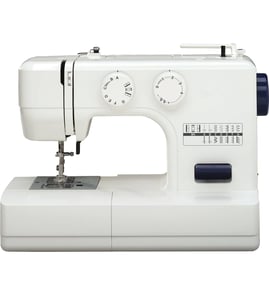


Are mechanical sewing machines good?
Yes. Mechanical sewing machines like the Singer 2932 are good because they are straightforward to use, durable for everyday home sewing, and easy to troubleshoot when stitch quality changes. They are a strong choice for basic repairs, garment sewing, and learning fundamentals such as threading and tension.
Mechanical machines use knobs and levers; computerized machines use buttons and internal programming. For most home projects, both can produce excellent stitches.
| Feature | Mechanical (like Singer 2932) | Computerized |
|---|---|---|
| Controls | Dials, levers | Buttons, screen/menu |
| Best for | Basics, learning, quick adjustments | Decorative stitches, automation, precision features |
| Troubleshooting | Usually simpler (threading, needle, tension) | Can include electronics and sensors |
| Maintenance | Cleaning and correct threading matter most | Cleaning plus electronics care |
We recommend a mechanical sewing machine when you want reliable basics and fewer “extras” to manage.
- You mainly sew straight stitch and zigzag
- You want quick, tactile adjustments (stitch length, width, tension)
- You sew a variety of fabrics and need simple, repeatable setup
- You prefer a machine that is easy to keep running with routine cleaning
- You want a solid machine for occasional to regular home use
Most “this machine isn’t sewing right” issues come down to setup, not the machine style. The Singer 2932 manual highlights that correct threading, correct needle choice, and balanced tension are key; most everyday sewing tension settings land between about 3 and 5. Use the 2932 owner's manual to match needle, fabric, and thread and to dial in tension for straight stitch vs. zigzag and decorative stitches.
- Rethread the upper thread with the presser foot raised
- Insert a new needle (correct type and size for the fabric)
- Confirm the bobbin is installed and threaded correctly
- Set tension back to a normal range (then fine-tune)
- Clean lint and thread bits from the bobbin area and needle plate
A good mechanical machine is “good” because it stays consistent. When you understand threading, needle selection, and tension, you get fewer thread breaks, fewer skipped stitches, and smoother feeding across fabrics.
Last updated: February 2026
How much did a sewing machine cost in 1925?
In 1925, a home sewing machine could cost anywhere from under $20 for a budget model to roughly $125 to $150 for a new Singer, depending on the brand, features, and where it was sold. For context, that range often represented a meaningful share of a household’s wages.
Prices varied widely by brand and build quality, plus whether the machine was new, used, or sold on a payment plan.
- Budget machines: about $19 to $30
- Mid-range machines: about $40 to $90
- Premium machines (including many new Singer models): about $125 to $150
- Used machines: often less than new, depending on condition and included accessories
A 1925 price tag was driven by practical factors that still matter today.
- Brand reputation (Singer vs. lesser-known makers)
- Included attachments (feet, buttonholer, quilting accessories)
- Cabinet or treadle setup vs. portable head
- Dealer service and lessons bundled with purchase
- Condition (for used machines) and completeness (manual, bobbins, presser feet)
| 1925 machine type | Common price range | What you typically got |
|---|---|---|
| Budget/department-store model | $19 to $30 | Basic straight stitching, fewer accessories |
| Mid-range home machine | $40 to $90 | More stitch options, better durability |
| Premium Singer-class machine | $125 to $150 | Higher build quality, more attachments, stronger dealer support |
Knowing the 1925 price range helps you judge whether a vintage machine was positioned as a budget purchase or a premium household investment. It also explains why many families kept machines for decades and maintained them carefully.
If you’re comparing vintage machines to what you own now, our 2932 owner’s manual shows what accessories and adjustments are typical for the Singer 2932, such as standard presser feet and basic thread tension guidance.
Last updated: February 2026
What are the most sought after vintage Singer models?
Some of the most sought-after vintage Singer sewing machines include the Featherweight (often the 221/222 series) and classic full-size models like the Singer 66 “Red Eye”. They are popular because they are durable, widely serviceable, and have a strong collector market, which is separate from parts support for the Singer 2932.
These are commonly searched and traded vintage models:
- Singer Featherweight 221 and 222
- Singer 66 (including “Red Eye” decals)
- Singer 99
- Singer 15 (including many 15-91 variants)
- Singer 201
- Singer 401 and 403 (early slant-needle era)
| Model family | Typical draw | Best for |
|---|---|---|
| Featherweight 221/222 | Portable, smooth straight stitch | Quilting, travel sewing |
| 66 / 99 | Classic rotary hook feel, iconic styling | General sewing, collecting |
| 15 / 201 | Strong metal build, steady power | Heavier fabrics, long-term use |
| 401 / 403 | More stitch options (vintage mechanical) | Utility plus decorative stitches |
Singer 2932 is a modern mechanical sewing machine, so “vintage value” rules do not apply the same way. For the best results with your 2932, we recommend following the needle, fabric, and thread guidance in the owner's manual, including matching needle size to fabric weight and using the same thread type on the top and bobbin.
- Replace the needle regularly (a common rule is every other garment or at the first sign of skipped stitches)
- Match needle size to fabric weight (lightweight vs. denim vs. upholstery)
- Use polyester thread for synthetics and cotton thread for natural woven fabrics
- Keep top and bobbin thread the same type and weight
- If the machine binds or feels tight, stop and clear thread tangles before forcing the handwheel
Collectors pay for rarity, condition, and historical demand, but everyday sewing success depends more on correct needle system, thread choice, and basic maintenance. Using the right needle and thread pairing prevents skipped stitches, thread breaks, and fabric damage.
Last updated: February 2026
What is the most trouble-free sewing machine?
The most trouble-free sewing machines are usually simple, well-maintained mechanical models with fewer electronics to fail. Your Singer 2932 is a mechanical sewing machine, so reliability comes down to correct threading, the right needle and thread for the fabric, and routine cleaning and oiling as outlined in the owner's manual.
A sewing machine that gives the fewest problems typically has:
- A straightforward mechanical drive (fewer electronic boards and sensors)
- Easy, repeatable threading and bobbin setup
- Good stitch formation with common fabrics and thread weights
- Regular maintenance (lint removal and proper sewing machine oil)
| Type of machine | Why it tends to be low-hassle | Best for |
|---|---|---|
| Mechanical (like Singer 2932) | Fewer electronic failures; simpler adjustments | Everyday sewing, learning, basic repairs |
| Computerized | Convenience features; more complex parts | Decorative stitches, automation, quilting features |
| Heavy-duty mechanical | Stronger drive; handles thicker materials better | Denim, canvas, multiple layers |
The Singer 2932 manual troubleshooting chart points to the same core causes behind most issues (thread breaks, skipped stitches, jams, noise). Use this checklist first:
- Rethread the upper path completely; re-seat the presser foot and thread with the presser foot up
- Reinsert the needle correctly (flat side toward the back) and replace bent or dull needles
- Match needle size and type to your fabric and thread (wrong combinations cause skipped stitches and breaks)
- Check bobbin case insertion and bobbin threading; the thread should pull smoothly
- Reduce tension if thread is snapping (use a lower number for upper tension)
- Clean lint from the hook area and feed dogs; lint buildup leads to jams and noise
- Oil only with good-quality sewing machine oil (poor oil can increase noise and wear)
Most “unreliable machine” complaints are actually setup or maintenance problems. Correct threading, a fresh needle, and a clean, lightly oiled hook area prevent the most common failures: thread tangles, needle breaks, uneven feeding, and lockups.
For step-by-step symptom-based help, use our sewing machine repair-guides landing page.
Last updated: February 2026