


What is the best rated gas snow blower?
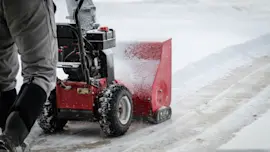
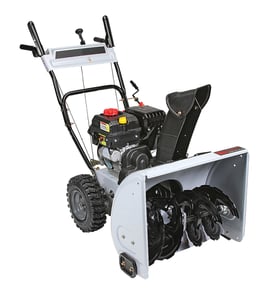
The “best rated” gas snowblower is the one that matches your snow depth, driveway size, and comfort features; for most homeowners, a two-stage gas snowblower is the top pick for performance in heavy, wet snow. If you already own a Snapper I6223, keeping it properly maintained often delivers the best real-world results.
How to choose the best gas snowblower for your needs
Use these factors to compare models (including your Snapper I6223) in a way that actually affects throwing distance, traction, and ease of use:
- Stage type: single-stage for lighter snow; two-stage for deeper, packed, or plowed snow
- Clearing width: wider clears faster but can be harder to maneuver in tight areas
- Engine size (cc): higher cc typically handles heavier snow better
- Drive system: self-propelled with multiple speeds reduces fatigue on long driveways
- Chute control: quick, glove-friendly controls make aiming easier in changing wind
- Serviceability: easy access to belts, skid shoes, and shear pins speeds up maintenance
Quick comparison: what “best rated” usually means
| If you typically get… | Best match | Why it’s usually rated higher |
|---|---|---|
| Light snow (up to ~6 in.) | Single-stage gas | Lighter, simpler, faster for small areas |
| Mixed storms (6 to 12 in.) | Two-stage gas | Better intake and throwing power |
| Heavy, wet, plow berms | Larger two-stage gas | More traction and capacity under load |
What to do if your current snowblower feels underpowered
Before replacing a machine, we recommend checking common performance killers:
- Use fresh fuel and confirm the spark plug is in good condition
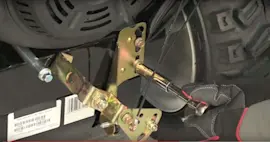
- Verify the auger and drive controls fully engage (no cable slack)
- Inspect belts for glazing, cracking, or slipping
- Confirm skid shoes and shave plate height are set correctly for your surface
- Lubricate key points so the drive system moves freely (especially in cold weather)
A simple lubrication step can make a noticeable difference in control feel and drive performance; the Snapper lube fitting 7013864SM is one of the model-specific parts used for lubrication points.
Why it matters
“Best rated” snowblowers score well because they clear consistently without clogging, maintain traction, and stay easy to control when conditions change. Regular maintenance (lubrication, belt condition, and adjustments) helps your Snapper I6223 perform like a top-rated machine season after season.
Last updated: February 2026
Is a 2 stage or 3 stage snowblower better?
A 2-stage snowblower is the better choice for most homeowners because it clears typical driveway snow efficiently with fewer moving parts. A 3-stage is better when you regularly face deep, heavy, wet, or icy snow and want faster intake and throwing performance than most 2-stage machines.
Quick comparison: 2-stage vs 3-stage
| Feature | 2-stage snowblower | 3-stage snowblower |
|---|---|---|
| Snow handling | Great for moderate to heavy snow | Best for deep, wet, packed, or icy snow |
| Clearing speed | Strong | Typically faster in tough conditions |
| Complexity | Simpler design | More complex design |
| Weight and maneuvering | Usually easier to handle | Usually heavier |
| Maintenance | Typically less involved | Typically more involved |
How we recommend choosing
Pick a 2-stage if most of your snowfalls are manageable and you want a strong balance of power, cost, and upkeep.
Pick a 3-stage if you frequently deal with:
- Heavy, wet snow that bogs down your current machine
- Plow-packed end-of-driveway berms
- Deep drifts and windblown snow
- Icy, crusted layers that are slow to chew through
- Large areas where time savings matter
Why it matters for upkeep and parts
More stages usually means more components to inspect and maintain (belts, bearings, shear pins, and lubrication points). No matter which style you own, consistent lubrication and seasonal maintenance helps prevent drive issues and premature wear.
For example, keeping grease points serviced with the correct fitting can make routine maintenance easier on many snow throwers; if you are servicing lubrication points on the Snapper I6223, the Snapper lube fitting 7013864SM is one of the model-matched parts listed for this machine.
Maintenance tip that improves performance
- Check and adjust controls so the auger and drive fully engage
- Keep skid shoes set correctly to protect the housing and improve scraping
- Inspect belts for glazing, cracking, or stretching
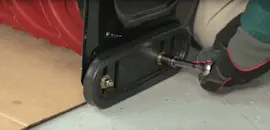
- Lubricate the drive hex shaft and wheel hubs as part of seasonal service
- Verify the spark plug condition before the first storm
A good walkthrough for seasonal lubrication is our how to lubricate a snowblower drive hex shaft video.
Last updated: February 2026
What is the typical lifespan of a gas snowblower?
A gas snowblower typically lasts 8 to 20 years. For your Snapper I6223 snow thrower, lifespan lands on the higher end when you keep up with routine maintenance like oil changes, lubrication, and off-season fuel care.
What most affects lifespan
- Maintenance frequency (oil changes, lubrication, belt checks)
- Fuel quality and storage (fresh fuel, stabilized for storage)
- Usage load (heavy, wet snow and long run times add wear)
- Storage conditions (dry, covered storage reduces corrosion)
- Wear parts condition (belts, skid shoes, shave plate, shear pins)
Maintenance schedule that extends life
Use this as a practical baseline for most gas snowblowers:
| Task | Typical interval | Why it helps |
|---|---|---|
| Change engine oil | Every season or 25-50 hours | Reduces engine wear |
| Lubricate moving points | Every season and mid-season if used heavily | Prevents seizing and rust |
| Check belts and cables | Every season | Prevents slipping and loss of drive |
| Inspect auger/impeller area | After jams | Prevents gearbox and belt damage |
For lubrication points that use a grease fitting, replacing a damaged or missing fitting helps you keep up with service; the Snapper lube fitting 7013864SM is a model-matched option when your I6223 uses that style fitting.
Why it matters
A snowblower that is lubricated and kept on clean oil starts easier, throws snow more consistently, and avoids expensive failures like seized shafts, worn drive components, and premature engine wear.
Helpful DIY guidance
Last updated: February 2026
What are common gas snow blower problems?
Common problems on a gas snowblower like the Snapper I6223 include no-start or hard-start conditions (fuel, spark, carburetor), poor snow throwing (clogged chute or worn drive components), and auger or drive issues (shear pins, belts, cable adjustment). Most are fixed with basic inspection, cleaning, and routine maintenance.
Most common symptoms and what usually causes them
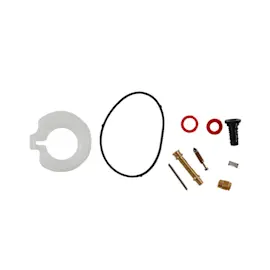
- Engine won’t start: stale fuel, fouled spark plug, clogged carburetor jet, ignition switch off
- Starts then stalls or surges: restricted fuel flow, dirty carburetor, water in fuel
- Auger/impeller won’t turn: broken shear pin, belt problem, ice jam in housing
- Drive wheels won’t move: worn or loose drive belt, friction wheel wear, drive control out of adjustment
- Throws snow poorly: chute packed with snow, impeller/auger not reaching full speed, wet heavy snow
- Excess vibration/noise: loose fasteners, damaged auger, foreign object contact
Quick checks we recommend (in order)
- Fuel: drain old fuel and refill with fresh gasoline; open the fuel shutoff (if equipped).
- Spark: inspect and clean/replace the spark plug; confirm the plug wire is firmly seated.
- Chute and housing: clear packed snow and ice (shut the engine off and wait for all movement to stop).
- Shear pins and belts: verify shear pins are intact and belts are not slipping or broken.
- Controls/cables: confirm the auger and drive controls fully engage; adjust if engagement is weak.
Common problems and best next step
| Symptom | Most likely area | Best next step |
|---|---|---|
| Won’t start | Fuel/spark/carburetor | Fresh fuel, check spark plug, clean carburetor |
| Auger won’t spin | Shear pins/belt/jam | Clear jam, inspect shear pins, inspect belt |
| Won’t drive | Drive belt/friction wheel/cable | Check belt tension and drive engagement |
| Poor throwing | Chute/impeller speed | Clear chute, verify auger/impeller reaches full speed |
Why it matters
Catching these issues early prevents belt damage, broken shear pins, and premature wear in the auger and drive system. Regular lubrication also reduces sticking and corrosion in moving parts.
Helpful DIY guidance
For maintenance that prevents many of these problems, follow how to lubricate a snowblower drive hex shaft video. If you need a lubrication point replacement, match your model I6223 to the correct fitting such as the Snapper lube fitting 7013864SM.
Last updated: February 2026