Owner’s manual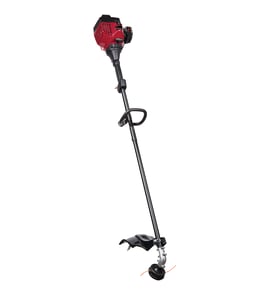



What is the strongest .095 trimmer line?
For the Craftsman 358795580 26.2-cc gas brushwacker, the strongest .095 trimmer line is typically a premium twisted or “diamond” profile nylon line; it cuts aggressively and resists fraying better than basic round line. For best results, match the line type to your cutting conditions and follow the 358795580 owner's manual guidance for safe operation.
- Twisted/diamond .095 line: Best overall durability and clean cutting in medium to heavy weeds.
- Round .095 line: Best for light trimming and longest run time per spool; least aggressive.
- Square/star .095 line: Very aggressive cutting, but can wear faster on fences, rocks, and edging.
- Commercial-grade nylon: Better heat resistance and less breakage during long sessions.
| .095 line shape | Cutting power | Durability | Best use |
|---|---|---|---|
| Twisted/diamond | High | High | Thick grass, weeds, general yard work |
| Round | Medium | Medium | Light trimming, around landscaping |
| Square/star | Very high | Medium | Fast knockdown in heavy growth |
The manual’s cutting method is key: the tip of the line does the cutting, and crowding the line into the work area increases wear.
- Run less than full throttle for trimming and scalping to extend line life.
- Avoid hard contact with rocks, gravel, and fence posts; they can damage the head and shred line.
- Keep the guard installed and work at a steady pace instead of forcing the cut.
- If the engine surges or bogs, reduce feed rate; forcing the cut overheats and weakens nylon.
Using the right .095 line reduces reloads, improves cut quality, and helps protect the trimmer head from impact damage caused by overfeeding or “crowding” the line.
Last updated: January 2026
How to replace line on Craftsman gas trimmer?
To replace the cutting line on your Craftsman 358795580 26.2-cc gas brushwacker, remove the old line and line glide plate, clean the cutting head, reinstall the glide plate, then feed new Craftsman replacement line through the correct holes so the strands are even and don’t overlap.
- Shut the engine off and let it cool.
- Disconnect the spark plug boot so the trimmer cannot start accidentally.
- Wear eye protection and gloves.
- Work on a flat surface with the trimmer supported.
- Use only Craftsman replacement line (never wire, rope, or string).
- Remove the old line and take off the line glide plate from the cutting head.
- Clean the entire surface of the cutting head (dirt buildup can cause tangles and poor feeding).
- Reinstall the line glide plate.
- Identify the correct line holes by using the guide on the line glide plate.
- Insert new line into the proper holes and pull it through until both ends are the same length.
- Make sure the line lays neatly with no overlapping; overlapping is a common cause of tangling and feed problems.
The manual calls for Craftsman replacement line; line type affects cutting performance.
| Line type (common) | Best for | What you’ll notice |
|---|---|---|
| Red line | Grass and small weeds | Cleaner cut, less load on engine |
| Black line | Larger weeds and light brush | More durability, more engine load |
Correct line routing and even lengths help the head feed smoothly, reduce tangles, and keep the line at a proper cutting length, which protects the trimmer head and improves trimming results.
For diagrams and the exact hole routing for your head style, follow the 358795580 owner's manual.
Last updated: January 2026
How to unflood a string trimmer?
If your Craftsman 358795580 26.2-cc gas brushwacker is flooded, clear the excess fuel by opening the throttle and pulling the starter repeatedly until it fires, then let it run briefly to dry out. Follow the starting and safety steps in the 358795580 owner's manual.
- Move the trimmer outdoors; never run it in a closed room or building.
- Set the switch to ON.
- Hold the throttle wide open (this lets in more air and helps clear fuel).
- Pull the recoil starter in steady pulls until the engine sputters or starts.
- Once it starts, keep it running for 20 to 30 seconds, then release the throttle gradually.
- If it still will not start, remove and dry the spark plug, then retry.
Flooding usually means too much fuel and not enough air or spark. These checks fix most repeat-flood issues:
- Air filter: A dirty filter restricts airflow and makes flooding more likely.
- Spark plug: Wet or fouled plugs will not ignite a rich mixture.
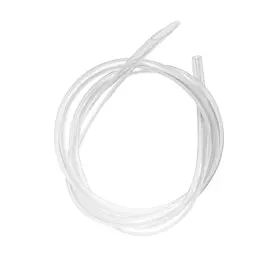
- Fuel delivery: Cracked or soft fuel lines can pull air or leak fuel; replace the ayp lawn & garden equipment fuel line, large 530069216 if the line is brittle or leaking.
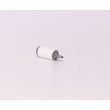
- Fuel filter: A restricted filter can cause poor running and repeated start attempts; inspect the Craftsman lawn & garden equipment engine fuel filter 530095646.
- Starting technique: Too many pulls on full choke after it tries to start commonly floods a 2-cycle engine.
The manual calls out key safety steps we recommend following every time:
| Task | What to do | Why it matters |
|---|---|---|
| Maintenance work | Disconnect the spark plug wire first | Prevents accidental starting while your hands are near moving parts |
| Running the engine | Operate outdoors only | Exhaust fumes are dangerous in enclosed spaces |
| Carburetor adjustments | Support the unit so the cutting attachment is off the ground | The trimmer head can spin during adjustment |
A flooded 2-cycle trimmer can soak the spark plug and wash excess fuel into the crankcase, so it may take several pulls at wide-open throttle to clear. Fixing the underlying cause (airflow, spark, or fuel line issues) prevents repeat no-starts.
Last updated: January 2026
Can I use .095 trimmer line?
Yes, you can use .095-inch trimmer line on the Craftsman 358795580 (26.2-cc gas brushwacker) as long as it feeds smoothly through the trimmer head and you keep the cutting line at the proper length. For the safest, best fit, follow the line type and routing shown in the 358795580 owner's manual.
- Confirm the line passes through the eyelets without binding.
- Make sure the line advances normally (bump feed or manual feed, depending on your head).
- Keep the line trimmed to the correct cutting diameter so the engine is not overloaded.
- Never substitute wire, rope, or string for trimmer line.
- Inspect the shield and trimmer head for cracks or damage before use.
| Line diameter | Best use | What you may notice |
|---|---|---|
| .080 in | Light grass, routine trimming | Easiest feeding, lowest engine load |
| .095 in | Thicker grass and weeds | More cutting power, slightly higher load |
| .105 in | Heavy weeds (only if your head supports it) | Harder feeding, higher load |
Using a line that is too thick for the trimmer head can cause poor line feed, extra vibration, and higher clutch and engine load. Using the correct line and keeping it at the proper length helps protect the trimmer head, clutch assembly, and engine performance.
- Reduce to a slightly smaller diameter line.
- Clean debris from the head and eyelets.
- Check for fuel delivery issues (a restricted filter can mimic “bogging”). If needed, replace the engine fuel filter 530095646.
Last updated: January 2026