
What are common AC part failures?
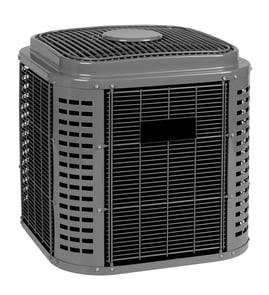
Common failures on the Coleman BRCQ0361BB Evcon central air conditioner usually involve the run capacitor, contactor, condenser fan motor, compressor start components, and electrical protection (fuses or breakers). These issues often show up as no cooling, hard starting, repeated shutoffs, or a completely dead outdoor unit.
Most common parts that fail (and what you notice)
- Run capacitor: outdoor fan or compressor hums but will not start; may start slowly.
- Contactor/relay: thermostat calls for cooling but the outdoor unit does not click on.
- Condenser fan motor: outdoor fan stops or runs intermittently; unit overheats and shuts down.
- Compressor or start components: loud buzzing, hard start, trips breaker, or short cycling.
- Fuses/breaker or disconnect issues: unit is totally dead; no response when cooling is requested.
- Low refrigerant from a leak: weak cooling, longer run times, ice on the indoor coil or suction line.
Quick checks we recommend before replacing anything
Turn off power at the disconnect and breaker before opening panels.
- Confirm the thermostat is set to Cool and the setpoint is below room temperature.
- Replace or verify the air filter is clean (restricted airflow can mimic refrigerant problems).
- Inspect the outdoor unit for debris blocking the coil and for a stalled fan.
- Look for burnt wires, loose spade connectors, or corrosion at the contactor and capacitor.
- If you have a meter, test safely using guidance like how to use a multimeter to test electrical parts video.
Symptom-to-likely-cause guide
| What happens | Most likely failure | What to do next |
|---|---|---|
| Outdoor unit silent | Breaker/fuse, contactor, low-voltage control issue | Check power path and control signal |
| Hums but will not start | Run capacitor, compressor start issue | Test capacitor; check amp draw |
| Runs then shuts off | Fan motor, dirty coil, capacitor | Clean coil; verify fan operation |
| Ice on indoor coil | Low airflow or low refrigerant | Fix airflow first; then check for leaks |
Why it matters
Catching a weak capacitor, failing fan motor, or overheating condition early helps prevent compressor damage, which is the most expensive repair on a central air conditioner.
Last updated: February 2026
What are the parts of a central AC system?
A central AC system like the Coleman BRCQ0361BB works by moving heat from inside to outside using two coils, a compressor, and refrigerant, then distributing cooled air through an air handler and ducts. The thermostat and electrical controls coordinate the whole cycle.
Main components you will typically find
- Thermostat: calls for cooling and signals the system to run
- Indoor evaporator coil: absorbs heat from indoor air (cold coil)
- Outdoor condenser coil: releases heat outdoors (hot coil)
- Compressor: pumps refrigerant and drives the refrigeration cycle
- Metering device (TXV or fixed orifice): controls refrigerant flow into the evaporator
- Air handler or furnace blower: moves air across the evaporator coil and into the ducts
- Ductwork and registers: deliver supply air and return air
- Refrigerant lines (suction and liquid): connect indoor and outdoor sections
Electrical and safety parts that matter for troubleshooting
These parts often determine whether the outdoor unit starts and runs reliably:
- Contactor/relay: switches power to the compressor and condenser fan
- Run capacitor: helps start and keep the compressor and fan running
- Condenser fan motor: moves air through the outdoor coil
- Control board (on some systems): manages timing and safety logic
- Fuses or circuit breaker: protect wiring from overloads
Quick “what it does” table
| Part | Where it is | What it does |
|---|---|---|
| Evaporator coil | Indoors | Absorbs heat and humidity from indoor air |
| Compressor | Outdoors | Circulates refrigerant and raises pressure/temperature |
| Condenser coil | Outdoors | Rejects heat to outside air |
| Metering device | At evaporator inlet | Drops pressure and meters refrigerant flow |
| Blower (air handler/furnace) | Indoors | Pushes conditioned air through ductwork |
Why it matters
Knowing which section a part belongs to (indoor air handler vs. outdoor condenser) helps you narrow symptoms fast, such as “blower runs but outdoor unit is silent” (often electrical) versus “outdoor runs but weak cooling” (often airflow, coil, or refrigerant-cycle related).
For safe electrical checks and basic diagnostics, we use steps like those in how to use a multimeter to test electrical parts video.
Last updated: February 2026
Is BRCQ0361BB the same as Coleman?
Yes. BRCQ0361BB is a Coleman Evcon model number, meaning the equipment is part of the Coleman-branded product line that was marketed under the Coleman-Evcon name; for parts and service identification, treat BRCQ0361BB as a Coleman (Evcon) central air conditioner model.
What the name and model number mean
In HVAC, the brand name (Coleman) and the model number (BRCQ0361BB) work together:
- Coleman is the brand shown on the unit and used for product family identification.
- Evcon is commonly used as a product line or legacy naming tied to Coleman-branded HVAC equipment.
- BRCQ0361BB is the specific model identifier you use to match parts lists and diagrams.
- The most reliable match is always the exact model number from the rating plate.
Where to confirm it on the unit
Use the unit’s rating plate (data tag) to confirm you have the exact model before ordering parts:
- Outdoor condenser cabinet (side panel or near the service access panel)
- Inside the electrical/control compartment cover
- Near the refrigerant service valves area
- Paperwork left by the installer (if available)
A quick way to avoid mix-ups is to compare the full model number and any suffix letters exactly; even one character can change the correct capacitor, contactor, or fan motor.
Common identification fields (what to match)
| Field on rating plate | What it’s used for | Match exactly? |
|---|---|---|
| Model number (BRCQ0361BB) | Parts lookup and diagrams | Yes |
| Serial number | Age tracking and production run | Yes |
| Electrical ratings | Correct electrical parts | Yes |
| Refrigerant type | Service compatibility | Yes |
Why it matters
Coleman Evcon equipment often has multiple revisions under similar naming. Matching BRCQ0361BB exactly helps ensure the replacement part fits your specific condenser configuration and electrical specs.
Helpful DIY reference
If you are troubleshooting electrical issues (no start, buzzing, intermittent operation), use our guide on safe testing basics: how to use a multimeter to test electrical parts video.
Last updated: February 2026
Who makes BRCQ0361BB air conditioners?
Coleman makes the BRCQ0361BB Evcon central air conditioner. In other words, BRCQ0361BB is a Coleman-branded unit (Evcon is used as a product line/label), so you will typically look for Coleman-compatible parts and service information when maintaining this model.
What “Coleman Evcon” means for parts and service
When you see Coleman Evcon BRCQ0361BB, it usually indicates:
- Brand: Coleman
- Product type: Evcon central air conditioner
- Model number: BRCQ0361BB
- Parts fit: Match parts by the exact model number on the rating plate
A quick best practice is to confirm the full model and any serial information before ordering, especially for electrical components like contactors, capacitors, and fan motors.
How to confirm you have the right model number
Use these checks before you shop or troubleshoot:
- Find the unit’s rating plate (often inside the service panel or on the outdoor cabinet)
- Match the model number exactly: BRCQ0361BB
- Write down the serial number (helps distinguish production variations)
- Compare the unit’s voltage and phase listed on the rating plate
- If you are unsure, use our guide: how to find your appliance model number (and what it means for parts)
Common “maker” terms you might see (and what they imply)
| Term on unit/listing | What it usually indicates | What you should do |
|---|---|---|
| Coleman | Brand/manufacturer name used for parts lookup | Search parts by model BRCQ0361BB |
| Evcon | Product line/label associated with the unit | Still match parts by model/serial |
| Central air conditioner | Equipment category | Use HVAC-rated replacement parts |
Why it matters
Central air conditioner parts are not one-size-fits-all. Matching by exact model number helps ensure correct electrical ratings, mounting, and airflow performance, which prevents repeat failures and nuisance breaker trips.
Last updated: February 2026
What AC parts are most commonly replaced?
For the Coleman Evcon central air conditioner model BRCQ0361BB, the most commonly replaced AC parts are the electrical start/run components and airflow parts (like capacitors, contactors, and fan motors), plus heat-transfer components (coils) when they leak or corrode. These are the parts most likely to fail from normal wear, heat, and vibration.
Most commonly replaced parts (and what they do)
- Run capacitor / start capacitor: helps the compressor and fan motor start and run.
- Contactor (relay): switches high voltage to the outdoor unit when cooling is called.
- Condenser fan motor: moves air through the outdoor coil to reject heat.
- Indoor blower motor (air handler/furnace): pushes conditioned air through your ducts.
- Evaporator coil: absorbs heat indoors; can leak refrigerant over time.
- Condenser coil: releases heat outdoors; can clog or corrode.
- Air filter (in the return grille or air handler): protects the system from dust buildup (often the cheapest “part” that prevents expensive failures).
Quick symptom-to-part cheat sheet
| Symptom | Most likely part(s) | What we check first |
|---|---|---|
| Outdoor unit hums but will not start | Capacitor, contactor | Power, capacitor bulge/leak, contactor pull-in |
| Outdoor fan not spinning | Fan motor, capacitor | Spin test (power off), capacitor value |
| Trips breaker on startup | Capacitor, compressor, wiring | Capacitor, wire condition, compressor amp draw |
| Weak cooling, ice on lines | Filter, airflow issue, evaporator coil, refrigerant leak | Filter, vents open, coil cleanliness |
Why these parts fail most often
- Heat and electrical stress wear out capacitors and contactors.
- Dirt and restricted airflow overwork motors and can lead to coil icing.
- Moisture and corrosion can damage coils and electrical connections.
- Vibration loosens terminals and accelerates motor wear.
What we recommend before replacing anything
- Turn off power at the disconnect and breaker; confirm it is off.
- Replace or clean the air filter and clear debris around the outdoor unit.
- Inspect wiring for burnt terminals or loose spade connectors.
- If you have a meter, use safe testing steps from how to use a multimeter to test electrical parts video.
- If you suspect a refrigerant leak or sealed-system issue (coil/compressor), use a qualified technician.
Last updated: February 2026