


How many square feet will a 36000 BTU air conditioner cool?
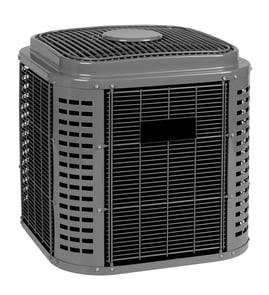
A 36,000 BTU (about 3-ton) air conditioner can often cool roughly 1,500 to 2,000 square feet, but the right size for an Icp CA5536VKD2 system depends on insulation, ceiling height, windows, sun exposure, and your local climate. Use this range as a starting point, not a guarantee.
Typical coverage range (what to expect)
In many homes with average insulation and 8-foot ceilings, 36,000 BTU lands in this ballpark:
- Mild climates / efficient homes: closer to 2,000 sq ft
- Hot climates / lots of sun or glass: closer to 1,500 sq ft
- High ceilings or older insulation: may need more capacity than the square footage suggests
- Zoned or multi-story layouts: coverage varies by airflow and duct design
Quick sizing check (rule-of-thumb table)
These are common planning ranges; a load calculation is more accurate.
| Home conditions | Approx. sq ft per 36,000 BTU | What that means |
|---|---|---|
| Well insulated, shaded, tight home | 1,800 to 2,000 | Often adequate if ducts are sized well |
| Average insulation, typical windows | 1,600 to 1,800 | Common fit for many homes |
| Poor insulation, high sun load, high ceilings | 1,400 to 1,600 | May feel underpowered on peak days |
Why it matters (comfort and equipment life)
Correct sizing helps your CA5536VKD2 run long enough to remove humidity and cool evenly. Oversizing can cause short cycling and clammy air; undersizing can lead to long run times and hot spots.
If your system is not keeping up
Before assuming you need a bigger unit, we recommend checking common airflow and outdoor-unit issues:
- Replace/clean the indoor air filter and confirm supply/return vents are open
- Inspect the outdoor coil for debris and restricted airflow
- Verify the outdoor fan is running smoothly; a failing Fan motor 1086598 can reduce heat rejection
- Check for a damaged or loose condenser fan; a bent Fan blade 1085958 can cut airflow
- If you suspect an electrical issue, use safe test methods from How to use a multimeter to test electrical parts video
Last updated: January 2026
What is the average lifespan of a central air conditioning unit?
Most central air conditioning units, including the Icp CA5536VKD2 outdoor unit, average about 15 to 20 years when they are correctly sized, installed, and maintained. Actual lifespan varies most with climate, run time, and whether key components like the condenser fan are kept in good working order.
What affects lifespan the most
- Maintenance consistency: keeping the outdoor coil clean and airflow unobstructed
- Electrical health: tight connections, correct voltage, and protected wiring
- Fan and airflow performance: a weak motor or damaged blade can overheat the system
- Refrigerant circuit condition: leaks or restrictions increase compressor stress
- Operating conditions: extreme heat, coastal corrosion, and long daily run times
Typical lifespan ranges (what we see most often)
| Situation | Common lifespan range | Notes |
|---|---|---|
| Well-maintained, average climate | 15 to 20 years | Most common outcome |
| Harsh conditions (coastal, extreme heat, heavy use) | 10 to 15 years | Corrosion and long run times shorten life |
| Poor maintenance or chronic airflow issues | Under 10 to 12 years | Higher risk of compressor damage |
Signs your unit may be nearing end of life
- Cooling capacity is dropping even after basic cleaning and tune-ups
- Rising electric bills with no change in thermostat settings
- Frequent service calls for electrical or refrigerant-related issues
- Outdoor unit is louder than normal (grinding, rattling, or squealing)
- Fan struggles to start, runs slowly, or stops intermittently
Parts that commonly influence longevity on an outdoor unit
If your system is otherwise in good shape, replacing a failing wear component can help you avoid bigger damage.
- Fan motor 1086598: keeps air moving across the condenser coil; failure can cause overheating
- Fan blade 1085958: damaged or unbalanced blades strain the motor and reduce airflow
Why it matters
A central AC often fails early from heat and electrical stress. Good airflow and stable electrical connections reduce compressor strain, which is the most expensive failure on an outdoor condensing unit.
Last updated: January 2026
What is the best brand of central air conditioner?
There is not one “best” central air conditioner brand for every home; the best choice depends on your budget, climate, installer quality, and efficiency goals. For an Icp outdoor unit like model CA5536VKD2, we focus on keeping the system running reliably with correct-fit parts such as the fan motor 1086598.
How we recommend choosing a “best” brand
A brand is only part of the decision; the contractor’s sizing, ductwork, and refrigerant setup often matter just as much.
- Choose a properly sized system (oversized units can short-cycle and dehumidify poorly).
- Compare efficiency ratings (SEER2/EER2) and your local utility costs.
- Ask about parts availability and service support in your area.
- Review warranty terms and what is required to keep coverage valid.
- Prioritize a reputable installer with load calculations and good commissioning practices.
Brand tiers (general guidance)
These groupings are broad and can vary by model line and installation quality.
| What you want most | Brands often considered | Typical tradeoff |
|---|---|---|
| Lower upfront cost | Goodman, Amana, Heil | Fewer premium features, depends heavily on installer |
| Premium performance | Carrier, Trane, Lennox | Higher purchase and repair costs |
| Strong warranty reputation | Amana, American Standard, Goodman | Registration and install requirements may apply |
| High-efficiency options | Lennox, Carrier, Rheem | Higher cost, may need matched components |
| Long-term reliability reputation | Trane, Rheem, York, Ruud | Model-to-model variation |
Why it matters for CA5536VKD2 owners
Even if you do not replace the whole system, brand and model family affect serviceability and parts matching. For example, condenser airflow problems are often solved by inspecting or replacing the condenser fan components (motor, blade, wiring) with model-compatible parts.
When a “brand upgrade” is not the best next step
- Your system is not cooling due to a failed component (fan motor, fan blade, wiring).
- The issue is maintenance-related (dirty coil, restricted airflow, debris around the outdoor unit).
- The problem is electrical (weak capacitor, contactor issues) and needs diagnosis.
Last updated: January 2026