


How to order Whirlpool parts?
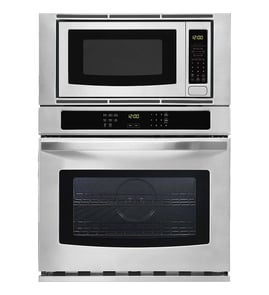
To order Whirlpool parts for model GMC305PDS07 (wall oven/microwave combo), we recommend confirming the full model number first, then selecting the exact replacement part by name and part ID so you get the correct fit and electrical rating.
Step-by-step: ordering the right part
- Find the model tag and match it exactly to GMC305PDS07 (letters and numbers matter).
- Identify the failed system: oven heat, oven door lock, oven light, or microwave door.
- Choose the part by part name + part ID (not just a description).
- Compare symptoms to common parts before buying (for example, no heat vs. wrong temperature).
- Order the part and keep your receipt and packaging until the repair is complete.
Common Whirlpool GMC305PDS07 parts customers order
| Symptom | What it often points to | Example part for this model |
|---|---|---|
| Oven temperature is inaccurate | Temperature sensor out of range | Wall oven temperature sensor WPW10131825 |
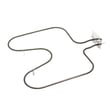
| Broil not working | Failed broil element | Broiler element WP9760771 |
| Microwave won’t start when door closes | Door interlock issue | Microwave door interlock switch W10211972 |
| Unit appears dead or intermittent | Blown fuse or power interruption | Fuse (black) WP4375321 |
Why it matters
This Whirlpool electric built-in oven with microwave uses model-specific electrical and mounting designs. Ordering by the exact GMC305PDS07 model number and the correct part ID helps prevent returns, repeat repairs, and unsafe mismatches.
Helpful tips before you place the order
- If the oven is overheating or shutting down, check airflow and cooling fan operation before replacing controls.
- If you’re testing electrical parts, use proper meter technique and power safety.
- For wiring or continuity checks, use a guide like how to use a multimeter to test electrical parts video.
Last updated: February 2026
Is a combi microwave oven worth buying?
A combi microwave oven is worth buying when you want faster cooking without giving up browning and crisping. With a Whirlpool electric built-in oven with microwave like model GMC305PDS07, the microwave speeds heating while convection-style cooking helps food finish more like a traditional oven.
When a combi microwave makes the most sense
- You cook weeknight meals and want shorter cook times.
- You want better texture than “microwave-only” results (more browning, less sogginess).
- You reheat leftovers often and want more even results.
- You have limited kitchen space and prefer one built-in combo unit.
- You want one appliance that can handle quick heat plus finishing.
What you gain vs. what you give up
| Factor | Combi microwave oven | Standard microwave | Standard wall oven |
|---|---|---|---|
| Speed | Fast | Fastest | Slowest |
| Browning/crisping | Good | Poor | Best |
| Best uses | Roasting small items, reheating, baking shortcuts | Reheating, defrosting | Baking, roasting, large meals |
| Learning curve | Medium | Low | Low |
Cost and repair considerations
A combo unit can be a great value, but it is also more complex than a basic microwave. If performance issues show up, common service items can include door safety switches and temperature sensing.
- If the microwave will not run when the door is shut, check the microwave door interlock switch W10211972.
- If oven temperatures seem off (overcooking or undercooking), the wall oven temperature sensor WPW10131825 is a common part to test.
- If the unit is completely dead, a blown fuse such as the fuse (black) WP4375321 can be involved.
Why it matters
“Worth it” usually comes down to how often you will use the combo features. If you regularly want speed plus better texture (especially for reheating and smaller meals), a combi microwave oven delivers noticeable day-to-day convenience.
Last updated: February 2026
Can you replace the microwave on a wall oven microwave combo?
On the Whirlpool GMC305PDS07 wall oven/microwave combo, the microwave is built into the combo chassis and is not designed to be replaced as a separate, standalone appliance. In practice, you either repair the microwave section (when a serviceable part has failed) or replace the entire combo unit.
What you can do instead (most common options)
- Repair the microwave section by replacing the failed component (switch, fuse, fan motor, etc.).
- Diagnose the door safety circuit first if the microwave is dead or won’t start.
- Replace the full combo unit if the microwave cavity, frame, or major assemblies are damaged.
- Have a technician handle high-voltage issues (capacitor, transformer) due to shock risk.
Parts that commonly fix “microwave won’t run” symptoms
These are model-matched parts we often see involved in no-start, intermittent start, or dead microwave complaints:
| Symptom | Common area to check | Example model-matched part |
|---|---|---|
| No power, completely dead | Internal fuse | Fuse (black) WP4375321 |
| Runs only with door pressure, won’t start | Door interlock circuit | Microwave door interlock switch W10211972 |
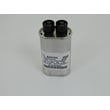
| Loud hum, burning smell, trips breaker | High-voltage components | Microwave high-voltage capacitor WP4375020 |
Quick checks before ordering parts
- Confirm power: check the breaker(s) for the built-in oven circuit.
- Test the door action: if the door doesn’t close firmly, the interlock switches may not engage.
- Listen and observe: dead display points to power/fuse; display on but no heat points to interlocks or high-voltage components.
- Use proper test tools: a multimeter helps verify continuity and voltage safely.
Helpful how-to resources:
Why it matters
Combo units share a cabinet and mounting system, so the microwave is not a “drop-in” module like a countertop unit. Repairing a failed component is usually the most cost-effective path; replacing the entire combo is typically reserved for major structural or high-cost failures.
Last updated: February 2026
What are the disadvantages of a microwave oven combo?
A microwave oven combo like the Whirlpool GMC305PDS07 saves space, but the main disadvantages are higher purchase and repair costs, more complicated troubleshooting, and less flexibility if either the oven or microwave section goes down. You can also give up some capacity and specialized performance versus separate appliances.
Common drawbacks to expect
- Higher total cost: Combo units typically cost more than a basic wall oven or countertop microwave.
- One failure can disrupt two appliances: If the microwave door safety circuit fails, the microwave may not run; if an oven sensor fails, baking performance can suffer.
- Repairs can be more complex: Built-in access, stacked components, and shared wiring can increase labor time.
- Less flexibility: You cannot replace just the microwave with a different style or size without matching the built-in cutout.
- Potential space trade-offs: Some combos have a smaller oven cavity or microwave cavity than standalone units.
- Heat and cooling considerations: Built-in combos rely on cooling airflow; blocked vents or a weak fan can cause overheating symptoms.
What “more expensive repairs” usually means
Here are examples of parts that can drive a service call on a combo unit:
| Symptom | Common system involved | Example part for GMC305PDS07 |
|---|---|---|
| Microwave will not start, door must be slammed | Door interlock circuit | Microwave door interlock switch W10211972 |
| Oven temperature is inaccurate | Temperature sensing | Wall oven temperature sensor WPW10131825 |
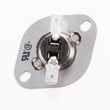
| Oven overheats or shuts down | Safety limit / thermal protection | Range high-limit thermostat WP9759243 |
| Unit appears dead or loses power intermittently | Fuse / power protection | Fuse (black) WP4375321 |
Quick decision guide: combo vs separate units
- Choose a combo if you need a clean built-in look and want to maximize cabinet space.
- Choose separate appliances if you want easier future replacement, more size options, and simpler service access.
Why it matters
Because the Whirlpool GMC305PDS07 combines an electric built-in oven with a microwave, a single electrical, door-safety, or temperature-control issue can affect daily cooking more than it would with two separate appliances. Planning for service access and long-term repair costs helps avoid surprises.
Last updated: February 2026
What are the symptoms of a bad oven control board Whirlpool?
On a Whirlpool GMC305PDS07 wall oven/microwave combo, a failing oven control board typically shows up as a dead or flickering display, buttons that do not respond (or respond randomly), error codes, and heating problems such as no heat or overheating. These symptoms often get worse after a power surge or a self-clean cycle.
Common symptoms you can expect
- Display is blank, dim, flickering, or resets by itself
- Beeping with no clear reason, or the clock will not hold time
- Keypad inputs do nothing, or the oven starts the wrong function
- Bake/broil will not start, starts then shuts off, or heats erratically
- Temperature is consistently too hot or too cool (even after calibration)
- Fan, light, or door lock behavior seems random during normal cooking
Quick checks before replacing the control board
These checks help separate a control issue from a sensor, latch, or power problem.
- Reset power at the breaker for 2 to 5 minutes, then retry Bake and Broil
- Confirm the oven is getting proper power (a weak leg of 240V can cause odd behavior)
- If the oven overheats or underheats, test the oven temperature sensor first (a bad sensor can mimic a bad board)
- If problems happen around self-clean or locking, inspect the door latch and related wiring
- If the unit is completely dead, check for a blown fuse in the appliance
Parts that commonly get blamed for “control board” symptoms
| Symptom you see | Often the real cause | Example part for GMC305PDS07 |
|---|---|---|
| Oven temp way off, F-code related to temp | Temperature sensor out of range | Wall oven temperature sensor WPW10131825 |
| Oven dead or intermittent power | Blown internal fuse | Fuse (black) WP4375321 |
| Overheat shutdown or thermal trip behavior | High-limit thermostat opening | Range high-limit thermostat WP9759243 |
Why it matters
The control board is the “traffic controller” for relays, heating elements, and safety circuits. Replacing it when the real issue is a sensor, fuse, or high-limit thermostat can waste time and money, and it can leave the original heating or safety problem unresolved.
Last updated: February 2026
How to unlock 6th Sense oven?
On the Whirlpool GMC305PDS07 wall oven/microwave combo, the “6th Sense” lockout is typically the control lock (child lock). To unlock (and to deactivate the lock), press and hold the Control Lock key for about 3 seconds until the lock indicator turns off.
Quick unlock checklist
- Press CANCEL/OFF once to clear any active cooking cycle.
- Find the Control Lock key (sometimes labeled Lock, Control Lock, or shown with a padlock icon).
- Press and hold that key for about 3 seconds.
- Watch for the lock icon or “LOC” style message to disappear.
- Try starting BAKE to confirm the oven responds.
If the lock will not turn off
These steps cover the most common causes on Whirlpool built-in ovens:
- Wrong key: Some panels require holding START or a specific “Lock” key; try holding the key with the padlock icon first.
- Stuck key: Press each keypad area firmly once; a stuck membrane key can keep the lock engaged.
- Power reset: Turn the breaker OFF for 1 minute, then back ON, and try the lock key again.
- Door latch issue (self-clean models): If the oven thinks the door is latched, it can stay locked. If the latch motor runs or the door will not open, inspect the latch assembly.
- Control not sensing door state: A failed switch can confuse the control. For microwave-side door sensing, a faulty interlock can also cause odd behavior.
Parts that commonly relate to “locked” symptoms
If troubleshooting points to a hardware issue, these are common related parts for this model:
| Symptom you see | Common area to check | Example part for GMC305PDS07 |
|---|---|---|
| Oven door stays locked after clean | Door latch/lock mechanism | Door latch WPW10195934 |
| Microwave acts like door is open/closed incorrectly | Door interlock circuit | Microwave door interlock switch W10211972 |
Why it matters
When Control Lock is on, the control prevents keypad operation to avoid accidental starts. If the lock will not clear after a reset, the issue is usually a keypad/control input problem or a door latch sensing problem.
Last updated: February 2026
What is the lifespan of a Whirlpool oven?
Most Whirlpool ovens last 13 to 16 years with normal household use. For the Whirlpool GMC305PDS07 electric built-in oven with microwave, lifespan depends most on heat exposure, door seal condition, and how quickly you address heating or temperature-control problems.
Typical lifespan ranges
Here are realistic expectations for built-in ovens like GMC305PDS07:
- Electric wall ovens: about 13 to 15 years
- Gas ovens: often 15 to 18 years (fewer electrical heating components)
- Combo units (oven + microwave): the oven can reach the ranges above, but the microwave section often wears sooner because it has more high-voltage components
| Appliance section | Typical lifespan | What usually ends it first |
|---|---|---|
| Oven (bake/broil) | 13 to 16 years | Heating issues, temperature control, door/lock problems |
| Microwave section | 7 to 12 years | Door interlock wear, high-voltage component failure |
What helps your oven reach the high end of its lifespan
We see these habits make the biggest difference:
- Keep vents clear so the cooling airflow is not restricted
- Avoid slamming the door; it stresses hinges, the door frame, and latches
- Clean spills promptly to prevent smoke, odor, and baked-on residue that traps heat
- Use self-clean sparingly; extreme heat can shorten the life of wiring and sensors
- Fix temperature problems early; a drifting sensor can overwork the heating system
Parts that commonly affect longevity
If performance drops, these model-matched parts are common starting points:
- Wall oven temperature sensor WPW10131825 (helps correct inaccurate baking temperatures)
- Broiler element WP9760771 (if broil is weak or not heating)
- Fuse (black) WP4375321 (if the unit is dead or loses power intermittently)
- Microwave door interlock switch W10211972 (if the microwave will not start or stops when the door moves)
Why it matters
A combo unit like Whirlpool GMC305PDS07 can often be kept in service for years by replacing a single failed component (sensor, element, fuse, or door interlock) instead of living with slow preheat, uneven baking, or a microwave that will not run.
Last updated: February 2026