 Owner’s manual





What tonnage is Goodman CK36-1A?
Goodman model CK36-1A is a 3-ton outdoor air conditioner/heat pump unit. In Goodman model numbers, the “36” typically indicates about 36,000 BTU/hr of cooling capacity, and 36,000 BTU/hr equals 3 tons.
Most central AC and heat pump outdoor units use a capacity code in the model number:
- 18 = about 18,000 BTU/hr (1.5 tons)
- 24 = about 24,000 BTU/hr (2 tons)
- 30 = about 30,000 BTU/hr (2.5 tons)
- 36 = about 36,000 BTU/hr (3 tons)
- 42 = about 42,000 BTU/hr (3.5 tons)
- 48 = about 48,000 BTU/hr (4 tons)
- 60 = about 60,000 BTU/hr (5 tons)
| Cooling capacity | Tonnage |
|---|---|
| 24,000 BTU/hr | 2 tons |
| 36,000 BTU/hr | 3 tons |
| 48,000 BTU/hr | 4 tons |
Matching the correct tonnage helps ensure proper comfort and efficiency. A mismatched outdoor unit can lead to poor humidity control, short cycling, higher energy use, and coil icing.
We recommend checking the unit’s data plate and the owner's manual for the exact cooling capacity and any approved indoor coil or air handler matches for CK36-1A.
Last updated: February 2026
How much do AC spare parts usually cost?
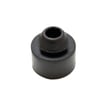
AC spare parts for a Goodman CK36-1A outdoor air conditioner/heat pump unit range from a few dollars for small hardware to hundreds or thousands for major components. For this model, small items like a grommet B1339530 are typically low-cost, while motors, controls, coils, and compressors cost much more.
These are common price ranges for residential outdoor units; exact pricing depends on brand, capacity, and availability.
- Small items (grommets, screws, wire terminals, fuses): $5 to $30
- Capacitors and contactors: $15 to $150
- Sensors, switches, and relays: $20 to $200
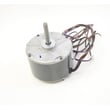
- Fan motor: $100 to $400
- Control board (if used on your setup): $150 to $700
- Compressor or coil: $800 to $3,000+
- Part type and size: A compressor or coil costs far more than electrical hardware.
- Match to your exact model: CK36-1A-SPECIFIC parts fit correctly and prevent wiring or mounting issues.
- Labor and refrigerant work: Outdoor unit repairs that involve sealed-system work add significant service cost.
| Example part on this model page | What it does | Typical cost impact |
|---|---|---|
| Grommet B1339530 | Protects wires/tubing from rubbing on metal | Low |
| Appliance spray paint (bahama beige) B260S8291 | Cosmetic touch-up for cabinet panels | Low to moderate |
Knowing the typical range helps you decide whether to replace a single component (like a capacitor or fan motor) or plan for a larger repair. For higher-cost repairs, confirming the correct part by model number and using the wiring diagram in the owner's manual prevents repeat failures and miswiring.
Last updated: February 2026
What is the average lifespan of a Goodman AC unit?
A Goodman AC unit typically lasts 12 to 15 years. With consistent maintenance (clean coils, correct refrigerant charge, good airflow) and proper installation, many systems run 15 to 20 years before major repairs or replacement become more cost-effective. For model CK36-1A, follow the maintenance intervals in the owner's manual.
- Installation quality (correct sizing, airflow, refrigerant charge)
- Outdoor coil condition (dirt, grass clippings, cottonwood, salt air)
- Electrical health (tight connections, good capacitor/contactor)
- Run time and climate (long cooling seasons shorten life)
- Maintenance frequency (annual service plus seasonal cleaning)
We recommend these habits for a Goodman outdoor unit like the CK36-1A:
- Rinse the outdoor coil gently (power off first) and keep the fins clear
- Keep 18 to 24 inches of clearance around the condenser
- Replace or clean the indoor air filter on schedule (restricted airflow strains the system)
- Keep the unit level and the base free of leaves and debris
- Have a technician check refrigerant charge and electrical components annually
| If you notice | What it often means | Typical next step |
|---|---|---|
| Frequent breaker trips or burnt wiring smell | Electrical issue or compressor stress | Professional diagnosis and repair |
| Rising electric bills with normal usage | Efficiency loss, dirty coils, airflow problems | Cleaning, tune-up, airflow check |
| Repeated refrigerant leaks | Coil or line set deterioration | Leak repair vs. replacement decision |
| Loud grinding or hard starts | Fan motor/compressor wear | Repair estimate and cost comparison |
Once an AC reaches the 12 to 15 year range, small issues (dirty coils, weak electrical parts, airflow restrictions) can turn into expensive failures. Staying ahead of maintenance protects the compressor and helps your Goodman system cool reliably.
Last updated: February 2026
How many square feet will a 3 ton AC cool?
A 3-ton central AC (about 36,000 BTU/hr) typically cools about 1,500 to 2,000 sq ft in average conditions. For a Goodman CK36-1A outdoor unit, the real coverage depends on your home’s insulation, sun exposure, ductwork, ceiling height, and local climate; use the sizing guidance in the owner's manual as your baseline.
- 1,500 to 1,800 sq ft: common target range for many homes
- 1,800 to 2,000 sq ft: possible with excellent insulation, tight windows, and good duct design
- Below 1,500 sq ft: common in very hot climates, high ceilings, lots of glass, or leaky/under-insulated homes
- Above 2,000 sq ft: usually needs a load calculation and often a larger system or zoning
- Insulation and air sealing (attic, walls, rim joists, weatherstripping)
- Ceiling height (taller ceilings increase the air volume you must cool)
- Windows and sun exposure (large west-facing glass adds major heat gain)
- Duct condition (leaks, poor returns, undersized ducts reduce delivered cooling)
- Humidity and climate zone (humid regions need more latent capacity)
- Internal loads (occupants, cooking, electronics)
| Home condition | Typical sq ft per ton | 3-ton estimate |
|---|---|---|
| Hot climate or older/leaky home | 400 to 500 | 1,200 to 1,500 |
| Average insulation and windows | 500 to 600 | 1,500 to 1,800 |
| Very efficient/tight home | 600 to 700 | 1,800 to 2,100 |
Oversizing can cause short cycling, poor humidity control, and uneven temperatures. Undersizing can run constantly and still miss the set temperature. The best match comes from a room-by-room load calculation (often called Manual J) and confirming your CK36-1A’s matched indoor coil and airflow settings in the owner's manual.
Last updated: February 2026
What AC parts are most commonly replaced?
For a Goodman CK36-1A outdoor air conditioner and heat pump unit, the most commonly replaced items are electrical start components, fan-related parts, and wear items that reduce vibration or cause noise. Use the parts diagram in the owner's manual to match the exact component to your unit.
These are the parts we see replaced most often on systems like the CK36-1A:
- Run capacitor / start capacitor (hard starting, humming, fan will not spin)
- Contactor (relay) (unit will not turn on, chattering, burned contacts)
- Condenser fan motor (overheating, fan not running, loud squeal)
- Fan blade (wobble, vibration, scraping)
- Dual run capacitor wiring and terminals (loose, overheated, corroded connections)
- Vibration isolators and grommets (rattling, metal-on-metal noise)
This model page currently lists a couple of commonly needed maintenance and vibration-control items:
- Grommet B1339530 (helps isolate vibration and protect wires or tubing passing through sheet metal)
- Appliance spray paint (bahama beige) B260S8291 (for cabinet touch-up after rust removal or panel repair)
| Symptom | Most likely area | What to check first |
|---|---|---|
| Outdoor fan not spinning | Fan circuit | Capacitor, fan motor, wiring |
| Buzzing but will not start | Start components | Capacitor, contactor |
| Rattling or vibration | Mounting and panels | Screws, fan blade, grommets |
| Trips breaker or shuts off | Electrical | Wiring damage, motor/compressor load |
Replacing the right part quickly prevents repeat shutdowns, protects the compressor from overheating, and reduces nuisance noise. Small items like a grommet can stop vibration wear that eventually damages wiring or refrigerant lines.
Last updated: February 2026