




What are the most common issues with 289707-0186-01?
The most common problems we see on the Briggs & Stratton 289707-0186-01 lawn and garden engine are no-start or hard-start, rough running, and oil leaks. These issues usually trace back to ignition, fuel delivery, air filtration, or worn seals and gaskets.
Common symptoms and what they usually point to
- No spark or intermittent spark: ignition components such as the magneto/coil
- Starts then dies, surges, or runs rough: carburetor varnish, clogged nozzle/jet, or air leak
- Hard starting: restricted air filter, weak ignition, or fuel restriction
- Oil seepage: worn oil seals or leaking gaskets
- Slow or no crank (electric start models): starter motor or ring gear wear
Quick checks we recommend first
- Verify fresh fuel and that the fuel shutoff (if equipped) is open.
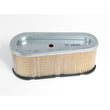
- Inspect and replace the air filter if it is dirty or oil-soaked.
- Check for spark; if spark is weak or missing, focus on the ignition system.
- If it runs only with choke, clean or rebuild the carburetor.
- Look for oil around the crankshaft area and sump; that usually indicates a seal or gasket leak.
Parts that commonly solve these problems
| Problem | Likely system | Example part on this model page |
|---|---|---|
| No spark | Ignition | Briggs & statton magneto 591459 |
| Surging, won’t stay running | Fuel/carburetor | Briggs & statton lawn & garden equipment engine carburetor rebuild kit 497535 |
| Hard start, black smoke, low power | Air intake | Briggs & statton air filter 496894S |
| Oil leak | Sealing surfaces | Briggs & statton oil seal 391086S |
Why it matters
Catching a restricted air filter, failing magneto, or small oil leak early prevents hard starting, plug fouling, and accelerated engine wear. On the 289707-0186-01, these are the most frequent root causes behind “won’t start” and “runs rough” complaints.
Last updated: March 2026
What is the 1245 code?
On the Briggs model 289707-0186-01 lawn and garden engine parts page, “1245” is a page identifier, not an engine fault code. For Briggs engines, troubleshooting is typically based on symptoms (no-start, surging, smoking) and checks like spark, fuel delivery, and air filtration.
What “1245” usually means here
On Sears PartsDirect model pages, numbers like 1245 are commonly used to organize and identify the model page and parts listings. They are not the same thing as:
- An engine diagnostic code
- A carburetor adjustment setting
- An ignition timing spec
- An oil type or capacity spec
- A Briggs & Stratton service bulletin number
If you were looking for an engine problem code
Most lawn and garden engines (including many Briggs models) do not display “codes” the way modern cars do. Instead, we recommend a quick, practical check sequence:
- Air: inspect and replace a dirty air filter
- Fuel: confirm fresh fuel and open fuel shutoff (if equipped)
- Spark: verify strong spark at the plug lead
- Compression: check for normal pull resistance
- Safety interlocks (on riding mowers): seat, brake, PTO switches
Common symptom-to-part starting points
| Symptom | Most common checks | Parts that often help |
|---|---|---|
| Won’t start | spark, fuel, air | air filter, magneto |
| Starts then dies | fuel flow, carburetor | fuel inlet fitting, carb kit |
| Runs rough/surges | air leak, dirty carb | carb kit, gaskets |
| Oil leak | seal surfaces | oil seal |
Parts we commonly replace first on this model
If your goal is basic tune-up or resolving a no-start/poor-run condition on model 289707-0186-01, these are frequent maintenance or repair items:
Why it matters
Treating “1245” like a fault code can send you in the wrong direction. Starting with the basics (air, fuel, spark) gets you to the right repair faster and helps you choose the correct Briggs parts for your exact engine model.
Last updated: February 2026
What is the average lifespan of 289707-0186-01?
A Briggs & Stratton lawn and garden engine like model 289707-0186-01 typically lasts 8 to 15 years with normal residential use and routine maintenance (clean air filtration, regular oil changes, and proper fuel storage). Heavy use and poor maintenance shorten that range.
Typical lifespan by use and care
- Light, seasonal use + good maintenance: 12 to 15 years
- Average residential use: 8 to 12 years
- Heavy use, dusty conditions, or skipped maintenance: 3 to 8 years
- Stored with untreated fuel or frequent overheating: often fails earlier
Maintenance that most extends engine life
Keeping wear and contamination down is what makes the biggest difference.
- Change oil on schedule and keep the oil level correct (low oil accelerates bearing wear)
- Replace the air filter regularly; a clogged filter causes rich running and carbon buildup
- Keep cooling fins and the flywheel screen clear so the engine runs cooler
- Use fresh fuel and stabilize fuel before storage to reduce carburetor varnish
- Fix oil leaks early; worn seals can lead to low oil and dirt intrusion
Common maintenance parts for this model
| Maintenance item | What it helps prevent | Example part on this page |
|---|---|---|
| Air filter | Dirt ingestion, cylinder wear | Briggs & statton air filter 496894S |
| Oil seal | Oil leaks, low oil level | Briggs & statton oil seal 391086S |
| Carburetor rebuild kit | Hard starting, surging from varnish | Briggs & statton lawn & garden equipment engine carburetor rebuild kit 497535 |
Signs your engine is nearing end of life
- Low power even with a clean air filter and fresh fuel
- Excessive oil consumption or blue smoke
- Hard starting that returns quickly after carburetor service
- Persistent knocking, backfiring, or metal debris in drained oil
Why it matters
Knowing the typical lifespan helps you decide whether to tune up (filter, carburetor service, seals) or plan a larger repair like internal engine work.
Last updated: March 2026