
Get free shipping on your order, with any water filter subscription. Find my filter

Open Hamburger Menu
Sears Parts Direct
Tips to find your model number
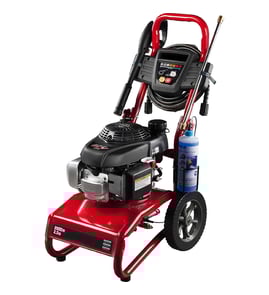
Campbell Hausfeld PW220000LE pressure washer

Campbell Hausfeld PW220000LE pressure washer Parts

Here are the diagrams and repair parts for Campbell Hausfeld PW220000LE pressure washer, as well as links to manuals and error code tables, if available.

By Schematic
SELECT DIAGRAM
?

This is the number corresponding to the part on the diagram / schematic

Browse Parts for PW220000LE Pressure Washers

  • Bumper for Campbell Hausfeld PW220000LE - Part AL062300AV

    Pressure washer diagram

    Bumper

    Part #AL062300AV

    The manufacturer no longer makes this part, and there's no substitute part

  • Push Nut for Campbell Hausfeld PW220000LE - Part MJ104700AV

    Pressure washer diagram

    Push Nut

    Part #MJ104700AV

    The manufacturer no longer makes this part, and there's no substitute part

  • Washer for Campbell Hausfeld PW220000LE - Part ST070906AV

    Pressure washer diagram

    Washer

    Part #ST070906AV

    The manufacturer no longer makes this part, and there's no substitute part

  • Intake Hose for Campbell Hausfeld PW220000LE - Part PM013700SV

    Pressure washer diagram

    Intake Hose

    Part #PM013700SV

    The manufacturer no longer makes this part, and there's no substitute part

  • Wheel for Campbell Hausfeld PW220000LE - Part WA002401AV

    Pressure washer diagram

    Wheel

    Part #WA002401AV

    The manufacturer no longer makes this part, and there's no substitute part

  • Hose for Campbell Hausfeld PW220000LE - Part PM012900AV

    Pressure washer diagram

    Hose

    Part #PM012900AV

    The manufacturer no longer makes this part, and there's no substitute part

  • Trigger for Campbell Hausfeld PW220000LE - Part PM037201AV

    Pressure washer diagram

    Trigger

    Part #PM037201AV

    The manufacturer no longer makes this part, and there's no substitute part

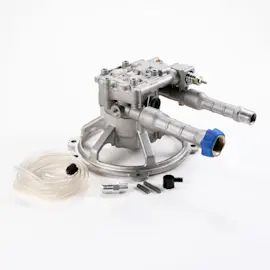
  • Pump for Campbell Hausfeld PW220000LE - Part PM040130SJ

    Pressure washer diagram

    Pump

    Part #PM040130SJ

    The manufacturer no longer makes this part, and there's no substitute part

  • Wand for Campbell Hausfeld PW220000LE - Part PM233400AV

    Pressure washer diagram

    Wand

    Part #PM233400AV

    The manufacturer no longer makes this part, and there's no substitute part

  • Leg, L for Campbell Hausfeld PW220000LE - Part PM015404AV

    Pressure washer diagram

    Leg, L

    Part #PM015404AV

    The manufacturer no longer makes this part, and there's no substitute part

Campbell Hausfeld Pressure Washer PW220000LE FAQs

On the Campbell Hausfeld PW220000LE, a bad pump usually shows up as low or no pressure, pressure that surges (pulsates), new leaks at the pump head, or abnormal grinding or knocking noises. Before condemning the pump, we always rule out a clogged nozzle, air leaks on the inlet side, and an unloader issue.

Quick symptoms checklist

  • Low or no pressure even with a known-good nozzle
  • Pulsating spray or pressure that rises and falls while spraying
  • Water leaking from the pump head or manifold area
  • Milky pump oil (water contamination on pumps that use oil)
  • Loud mechanical noise (grinding, clanking) from the pump
  • Engine bogs down hard when you pull the trigger (often unloader or pump binding)

Fast checks to do before replacing the pump

  1. Nozzle test: Remove the tip and briefly test with the trigger pulled. If flow improves a lot, the tip is restricted.
  2. Water supply test: Use a fully open spigot and a non-kinked hose; most gas units need strong, steady feed water.
  3. Inlet air leak check: Tighten hose connections and inspect the inlet screen; air leaks cause surging.
  4. Unloader check: If pressure spikes then drops, or the engine loads up oddly, the unloader valve can be sticking.
  5. Thermal relief and fittings: Look for dripping only when running; a failed valve or cracked fitting can mimic a pump leak.

What the symptoms usually point to

Symptom Most common cause What to check next
Low pressure Worn seals, plungers, or valves Nozzle, inlet screen, valve condition
Pulsating Air in supply or sticking check valves Hose connections, inlet leaks
Leak at pump head Manifold O-ring or seal failure Pump head bolts, seal area
Milky oil Water intrusion past seals Stop using, inspect seals
Loud grinding Bearing or internal damage Do not run; inspect pump

Why it matters

Running a failing pump can quickly damage plungers, seals, and bearings, and it can also overheat the unloader system. Catching the cause early often turns a “pump replacement” into a simpler repair.

Helpful DIY reference

If you need to troubleshoot electrical items on the unit (for example, a low-oil shutdown circuit on some engines), use how to use a multimeter to test electrical parts video.

Last updated: February 2026

Yes. For the Campbell Hausfeld PW220000LE gas pressure washer, regular unleaded 87-octane gasoline is the correct everyday choice for most small 4-stroke pressure-washer engines; premium fuel is not required for normal operation.

What to use (and what to avoid)

  • Use fresh, regular unleaded 87 octane from a busy station.
  • Avoid old fuel (more than 30 days sitting in a can or tank).
  • Avoid high-ethanol blends (typically E15 or higher); they increase the chance of hard starting and fuel-system issues.
  • If you must use E10 (common pump gas), use a fuel stabilizer any time the washer will sit.
  • Do not mix oil into the gas unless your engine is specifically a 2-stroke (most pressure washers are 4-stroke).

Quick fuel guidance table

Situation Best choice Why it matters
Weekly use Fresh 87 octane Reliable starting and steady power
Infrequent use (sits 2 to 8 weeks) 87 octane + stabilizer Reduces varnish and gum in the carburetor
Seasonal storage Drain tank and run carburetor dry (or stabilized fuel) Prevents clogged jets and stuck float needle

Why it matters

Most “pressure washer won’t start” and “surging” complaints trace back to fuel quality and storage. Using fresh 87 and managing ethanol-related moisture and deposits helps protect the carburetor, fuel lines, and intake valves.

If it runs rough after refueling

  • Turn off the engine and let it cool.
  • Check the air filter for heavy dirt.
  • Confirm the choke is fully open after warm-up.
  • Try fresh fuel (and stabilizer if it will sit).
  • If surging continues, the carburetor may need cleaning or rebuilding.

For more DIY basics that apply to small-engine powered equipment, see must have tools for appliance repair.

Last updated: February 2026

Yes. For a typical house wash, about 2000 PSI is generally strong enough to remove dirt and mildew from common exterior surfaces while staying in a safer range for siding and trim; technique, nozzle choice, and distance matter as much as PSI on a Campbell Hausfeld PW220000LE.

What 2000 PSI is best for (and what to avoid)

  • Good uses: vinyl siding, aluminum siding, brick (rinsing and light soil), soffits, gutters (with care)
  • Use extra caution: painted surfaces, older mortar, window seals, caulk lines
  • Avoid high pressure on: soft wood, stucco with cracks, loose paint, damaged siding
  • For heavy jobs: thick algae, paint stripping, and deep concrete stains usually need more than 2000 PSI (or a different approach)

PSI and nozzle tips that prevent damage

  • Start with a wider spray (40 degree or soap nozzle) and increase only if needed.
  • Keep the wand 12 to 24 inches from the surface; move closer only when you confirm it is not etching or lifting paint.
  • Spray downward on lap siding to reduce the chance of forcing water behind panels.
  • Use detergent and dwell time; it often cleans better than simply increasing pressure.

Quick guide: typical PSI ranges by task

Task Typical PSI range Notes
House washing (siding) 1200 to 2200 Safer with a wide nozzle and proper distance
Deck and fence (wood) 500 to 1500 Too much pressure can fur wood quickly
Driveway and concrete 2500 to 3500 Higher PSI helps, but surface condition matters
Paint stripping 3000+ Risk of damage is high; test a small area

Why it matters

Using more PSI than necessary can etch surfaces, strip paint, and drive water behind siding. With the PW220000LE, dialing in nozzle angle, distance, and detergent use typically delivers better results than chasing higher pressure.

For help finding the correct model information before ordering accessories or replacement items, use how to find your appliance model number (and what it means for parts).

Last updated: February 2026
Most common symptoms to help you fix your pressure washers

Choose a symptom to see related pressure washer repairs.

Main causes: overfilling engine with oil, improper fuel/air mixture, choke system problems, dirty carburetor, engine nee…

Main causes: using a high-pressure spray tip when applying detergent, clogged siphon tube, chemical injection system fai…

Main causes: dirty air filter, stale fuel, clogged or dirty carburetor, bad unloader valve…

Main causes: damaged recoil starter, oil inside cylinder, locked up engine piston…

Main causes: stale fuel, gummed up carburetor, engine needs tune up, throttle and choke controls need adjustment, bad re…

Main causes: pump running for more than 5 minutes when the spray wand isn't being used, faulty pressure relief valve, ba…

Things to do: tune up the engine, inject pump saver into the water pump when storing the pressure washer for the winter…

Main causes: insufficient water supply, clogged water inlet screen, clogged pressure hose, faulty pump check valves, stu…

Main causes: faulty unloader valve, bad pressure regulator…

Repair guides for gas pressure washers

These step-by-step repair guides will help you safely fix what’s broken on your pressure washer.

How to replace a pressure washer pump

How to replace a pressure washer pump

The pump can be damaged by air in the inlet water supply or by chemicals that remain in the pump body after using the ch…

Repair time and Difficulty

 15 minutes or less
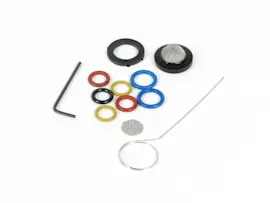
How to install a pressure washer O-ring kit

How to install a pressure washer O-ring kit

O-rings seal fittings on the pressure washer pump. Damaged seals allow water to leak from the pump. Follow these steps t…

Repair time and Difficulty

 45 minutes or less
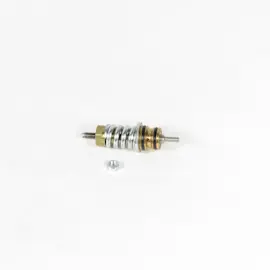
How to replace a pressure washer unloader valve

How to replace a pressure washer unloader valve

The unloader valve recirculates water to protect the pump from damage. If the unloader valve is defective, replace it us…

Repair time and Difficulty

 15 minutes or less

Effective articles & videos to help repair your pressure washers

Use the advice and tips in these articles and videos to get the most out of your pressure washer.

How to enjoy all the online benefits we offer on our Sears PartsDirect website

How to enjoy all the online benefits we offer on our Sears PartsDirect website

Learn about all the convenient features on our Sears PartsDirect website that make your parts purchases easier.…

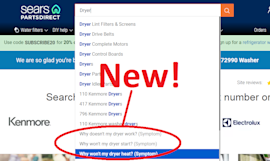
Tapping into a new feature in the Search Bar on Sears PartsDirect

Tapping into a new feature in the Search Bar on Sears PartsDirect

Learn about a new feature added to the Search Bar on Sears PartsDirect…

Top questions about Sears and Sears PartsDirect

Top questions about Sears and Sears PartsDirect

Get answers to frequently asked questions about Sears and Sears PartsDirect.…

Parts & More

Bottom-Mount Refrigerator
Dishwasher
Dryer
Electronic Sewing Machine
Gas Snowblower
Others
Parts
Range
Refrigerator
Riding Mowers & Tractors
Side-By-Side Refrigerator
Snowblower
Vacuum Cleaner
Washer