Owner’s manual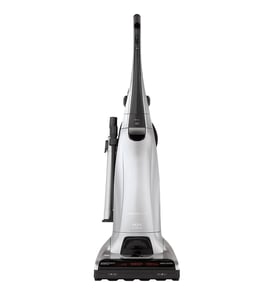



What is a non-upright vacuum called?
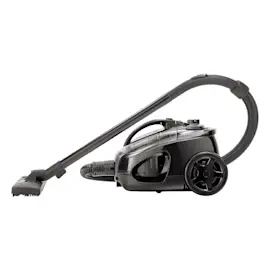
A non-upright vacuum is most commonly called a canister vacuum. Instead of a single upright body, it uses a separate canister (motor and dust collection) connected to a hose and wand, which makes it easier to clean stairs, under furniture, and bare floors.
Common non-upright vacuum types
- Canister vacuum: Canister on wheels plus hose and wand
- Stick vacuum: Slim body, usually lightweight and quick for touch-ups
- Handheld vacuum: Small, portable unit for cars and spot cleaning
- Robot vacuum: Automated floor cleaning (best for maintenance cleaning)
How this compares to your Panasonic MC-UG223-00 upright
Your Panasonic MC-UG223-00 is an upright vacuum with features like an automatic self-adjusting nozzle and edge cleaning for carpets near walls and furniture. For model-specific operation and care details, use the MC-UG223-00 owner’s manual.
| Feature | Upright vacuum (MC-UG223-00) | Canister vacuum |
|---|---|---|
| Best for | Wall-to-wall carpet, quick whole-room passes | Bare floors, stairs, under furniture |
| Handling | One-piece push vacuum | Hose and wand reach, canister follows |
| Storage | Taller footprint | Often stores in pieces, can fit in closets |
Why it matters
Choosing the right style affects cleaning results and effort. Canister vacuums typically make above-floor cleaning (stairs, upholstery, corners) easier, while uprights are often faster for large carpeted areas.
Last updated: January 2026
What is the strongest suction upright vacuum?
“Strongest suction” in an upright vacuum is usually measured as sealed suction (water lift) and airflow; there is no single best model for everyone because carpet type, attachments, and maintenance (bag, filters, clogs) change real-world pickup. For your Panasonic MC-UG223-00, keeping airflow clear is the fastest way to maintain strong suction; see the MC-UG223-00 owner’s manual for routine care steps.
How to compare “strong suction” the right way
When you shop or compare uprights, we recommend looking at these specs together:
- Sealed suction (water lift): stronger pull at the hose end and for deep clogs
- Airflow (CFM): better debris transport through the nozzle and hose
- Nozzle design: height control and sealing at the floor matter as much as raw suction
- Filtration and bag design: restriction increases as filters load or bags fill
- Brush roll agitation: critical for carpet pickup even if suction is high
What to do if your MC-UG223-00 feels weak (quick checks)
Most “low suction” complaints come from restriction or protection devices, not a suddenly weak motor.
- Replace the dust bag before it is packed full
- Clean the secondary foam filter on schedule
- Check the hose and wand for a clog (coins, socks, hair plugs)
- Inspect the nozzle area for debris buildup
- If the vacuum shuts down or runs hot, let it cool and check for blockage (thermal protection)
Common causes and what they look like
| Symptom | Most likely cause | What we do first |
|---|---|---|
| Strong at hose, weak at floor | Nozzle path restricted | Clear nozzle and lower plate area |
| Weak everywhere | Bag/filter loaded or clog | Change bag, clean filter, clear hose |
| Runs then stops | Overheat protection tripping | Remove blockage, allow cool-down |
| Loud whine, burning smell | Airflow blocked or motor stressed | Stop use, clear restriction |
Why it matters
High suction numbers do not help if airflow is restricted. On the MC-UG223-00, routine bag and filter care keeps the nozzle’s self-adjusting design working effectively across carpet pile heights.
Last updated: January 2026
How to clean an upright vacuum?
To clean a Panasonic upright vacuum model MC-UG223-00, we unplug it first, empty the dust container, clear clogs from the hose and nozzle, and clean the underside by removing the lower plate so debris in the belt and airflow area does not reduce suction.
Safety first (do this every time)
- Unplug the vacuum before cleaning or servicing
- Keep hands away from the agitator (brush roll) when the vacuum is on
- Let the vacuum cool for a few minutes if it was just running
These steps match the safety guidance in the MC-UG223-00 owner’s manual.
Quick cleaning checklist (routine maintenance)
- Empty the dust compartment and wipe it out with a dry cloth
- Check the hose ends for blockages and remove packed lint or hair
- Inspect the nozzle opening for debris buildup
- Wipe the exterior and handle; keep switches and vents dry
- Wash tools in warm soapy water, rinse, and air-dry completely before using
Deep clean: clear clogs and clean the lower plate area
The manual recommends keeping the airflow passage clear and checking common clog points.
- Unplug the vacuum.
- Disconnect the hose from the nozzle hose and check for clogs.
- If needed, turn the vacuum over and remove the lower plate (two screws plus latches).
- Remove debris in the belt area and nozzle path.
- Reinstall the lower plate, snap latches in place, and reinstall the two screws.
If the lower plate is cracked or not sealing well after cleaning, replacing it can help maintain airflow; see lower plate AC91ADFJZV07.
What to clean and how often
| Item | What to do | Typical frequency |
|---|---|---|
| Dust compartment | Empty and wipe | Every use |
| Hose and nozzle path | Check for clogs | Weekly or when suction drops |
| Lower plate area | Remove debris near belt/agitator | Monthly or as needed |
| Tools | Wash and air-dry | As needed |
Why it matters
A clean airflow path helps your Panasonic vacuum maintain strong suction, prevents overheating shutoffs, and reduces strain on the fan motor and moving parts.
Last updated: January 2026