

Do lawn mower spark plugs need to be gapped?
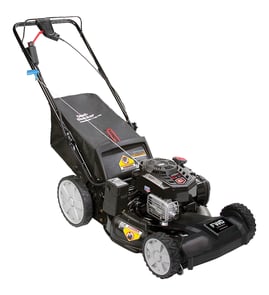
Yes. On an American Yard Products P4TN20SA gas walk-behind mower, the spark plug gap should be checked and set to the engine’s specification so the ignition spark is strong and consistent. A worn or incorrect gap commonly causes hard starting, misfiring, and poor power.
We recommend checking the gap whenever you service the mower, especially if starting gets harder or the engine runs rough.
- At the start of the mowing season
- After long storage (stale fuel and corrosion can worsen ignition issues)
- If the engine surges, misfires, or lacks power under load
- When installing a new spark plug (do not assume it is pre-gapped correctly)
- If the plug has many hours and the electrodes look rounded or burned
- Remove the spark plug wire and clean around the plug so debris does not fall into the cylinder.
- Remove the plug and inspect the electrodes.
- Measure the gap with a wire-style feeler gauge.
- Adjust carefully by bending only the ground electrode.
- Recheck the measurement, then reinstall and tighten snugly.
| What you see | What it usually means | What to do |
|---|---|---|
| Dry, light tan/gray | Normal combustion | Re-gap and reinstall if the plug is in good shape |
| Black, sooty | Running rich, dirty air filter, too much choke | Clean/replace plug; check fuel and air intake |
| Wet with fuel | Flooding or no spark | Dry/replace plug; check ignition and starting technique |
| Oily | Oil control issue | Replace plug; check engine condition |
The spark plug gap directly affects spark intensity. As the plug wears, the gap often opens up, which makes the ignition system work harder and can reduce starting reliability and cutting performance.
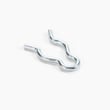
If the mower still starts poorly after gapping the plug, a sticking control or safety cable can also contribute to no-start or shutoff symptoms. For this model, check the lawn mower zone control cable 532424983 for binding, kinks, or improper tension.
Last updated: January 2026
What are the most common issues with P4TN20SA?
The most common problems we see on the American Yard Products P4TN20SA walk-behind mower are no-start or stalling, poor cut quality (uneven cut or vibration), and self-propel or blade-control issues. These usually trace back to blade and blade-mount wear, control-cable adjustment, or loose handle and deck hardware.
- Vibration, loud rattling, or wobbling blade: worn blade mount, loose fasteners, or a damaged blade
- Uneven cut or poor mulching: dull/bent blade, blade installed incorrectly, or debris packed under the deck
- Blade will not stay engaged or engine dies when you release the bar: control bar or zone control cable out of adjustment
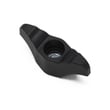
- Handle feels loose or won’t lock: worn handle knob/bolt hardware
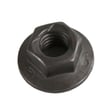
- Deck or handle hardware keeps loosening: missing washers/lock nuts or incorrect tightening sequence
- Disconnect the spark plug wire and tip the mower safely (air filter and carburetor side up).
- Inspect the blade for bends, cracks, and heavy nicks; replace if damaged.
- Check the blade mounting stack for looseness and wear (adapter, bolt, washers, lock nut).
- Verify the control bar moves freely and returns fully; check cable routing for kinks.
- Tighten handle hardware and confirm the handle locks securely.
| Problem | Common fix | Example part for this model |
|---|---|---|
| Vibration or blade slipping | Replace worn adapter and blade | Lawn mower blade adapter 581547901, husqvarna lawn mower 20-in deck blade 532145106 |
| Blade-control problems | Inspect/replace cable or bar | Husqvarna lawn mower zone control cable 532424983, lawn mower control bar 532131696 |
| Loose handle | Replace knob/bolt | Handle knob 532185577, handle bolt 532191574 |
A loose or damaged blade and mounting hardware can cause severe vibration, poor cutting, and accelerated wear on the crankshaft area. Keeping the blade, adapter, and control cable in good shape helps the mower cut cleanly and operate safely.
Last updated: March 2026
What kind of gas do I put in my lawn mower?
For the American Yard Products P4TN20SA gas walk-behind mower, use fresh regular unleaded gasoline; in most areas, E10 (up to 10% ethanol) is the standard and works well. Avoid old fuel and higher-ethanol blends because they commonly cause hard starting and rough running.
- Regular unleaded gasoline (typical pump octane is fine)
- Fresh fuel (buy only what you will use soon)
- E10 is commonly acceptable for small engines
- Use a clean, approved gas can to prevent dirt and water contamination
Higher-ethanol fuels and stale gas are the most common causes of mower fuel problems.
- E15, E20, E85: can damage fuel system components and create starting issues
- Old gasoline: loses volatility and can varnish the carburetor
- Gas contaminated with water/debris: leads to surging, stalling, or no-start
- Empty or treat fuel before long storage (end of season)
- Keep the gas cap area clean before refueling
- If the mower sits more than 30 days, consider draining the tank and running the carburetor dry
- If the engine won’t shut off or won’t stay running, inspect the operator-control system; a stretched or binding cable can contribute to control problems (see lawn mower zone control cable 532424983)
| Symptom | Most common fuel-related cause | First step |
|---|---|---|
| Hard starting | Old fuel or water in fuel | Drain tank, refill with fresh regular unleaded |
| Surging | Partially clogged carburetor from stale fuel | Replace fuel, then clean carburetor if needed |
| Stalls under load | Restricted fuel flow or dirty carburetor | Check fuel freshness and tank venting |
Using the right gasoline helps the P4TN20SA start easier, run smoother, and reduces carburetor deposits that lead to expensive fuel-system repairs.
Last updated: January 2026