Error Codes



Do you remove cardboard from the bottom of a Whirlpool refrigerator?
No. On the Whirlpool WRF555SDFZ18 bottom-mount refrigerator, the cardboard-like panel at the bottom rear is a protective cover and airflow guide for the condenser area, so it should stay in place during normal use.
That bottom cover is there to help the refrigerator run correctly and protect components.
- Helps direct airflow across the condenser coils
- Protects wiring and the condenser fan area from debris
- Reduces the chance of accidental damage when cleaning behind the unit
- Helps keep the compressor compartment area properly ventilated
You typically only remove the lower rear cover for service access, then reinstall it.
| Situation | Remove the cover? | What to do |
|---|---|---|
| Routine operation | No | Leave it installed |
| Cleaning dust from condenser area | Sometimes | Unplug first; remove only if needed; reinstall after |
| Diagnosing a cooling problem or fan noise | Sometimes | Access components, then reinstall |
| Cover is torn, warped, or missing | Yes (to replace) | Replace so airflow and protection are restored |
If you are looking at the panel because of heat, noise, or poor cooling, these checks help first.
- Confirm the refrigerator has a few inches of clearance behind it for airflow
- Vacuum dust from accessible vents and the floor area under/behind the unit
- Listen for a steady fan sound; rattling can indicate debris near the fan
- Make sure the unit is level so doors seal and close properly
That cover is part of the refrigerator’s cooling system design. Removing it can reduce airflow over the condenser, which can raise temperatures, increase run time, and contribute to cooling complaints.
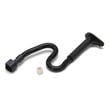
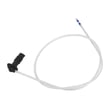
If you need to troubleshoot temperature issues related to sensors, we list model-matched parts such as the refrigerator thermistor W10316760.
Last updated: February 2026
What are the disadvantages of a bottom freezer refrigerator?
Bottom-freezer refrigerators like the Whirlpool WRF555SDFZ18 keep fresh food at eye level, but the tradeoffs are real: you bend more for frozen items, deep freezer drawers can hide food, and the freezer section can be more prone to drain and frost-related maintenance if airflow or defrost drainage gets restricted.
- More bending and lifting: heavier frozen foods sit low, so you crouch more often.
- Harder freezer organization: deep drawers stack items; smaller packages get buried.
- Less convenient for frequent freezer use: if you grab ice cream or frozen meals daily, the low drawer can feel slower.
- Potential for puddles or ice buildup: clogged drain paths or door seal gaps can lead to water under drawers or frost.
- Higher upfront cost on many models: bottom-mount designs often cost more than basic top-freezer styles.
Bottom-mount designs put the freezer (and its moisture) in a drawer system. When the drawer is left ajar or seals are weak, you can get frost and temperature swings.
- Check door sealing surfaces and gasket contact
- Keep vents clear of bags and boxes
- Don’t overpack the freezer drawer
- Clean spills quickly so they do not freeze into rails and tracks
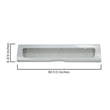
If you’re dealing with sealing problems, replacing a worn gasket is a common fix; for example, the refrigerator freezer door gasket (gray) WPW10714545.
| Feature | Bottom freezer | Top freezer |
|---|---|---|
| Fresh food access | Easier (eye level) | More bending |
| Freezer access | More bending | Easier |
| Freezer organization | Deep drawer stacking | Shelf-style visibility |
| Common annoyance | Frost/puddles if not sealing/draining well | Fresh food less convenient |
Most “disadvantages” come down to daily habits: if you use the refrigerator section far more than the freezer, bottom-mount is usually worth it. If you use the freezer constantly, the bending and drawer-stacking can become a long-term frustration.
For step-by-step help with water and drain symptoms, we recommend how to get rid of refrigerator puddles.
Last updated: February 2026
What is the most common problem with Whirlpool refrigerators?
The most common Whirlpool refrigerator problem is a cooling complaint (fresh food too warm, freezer too warm, or temperature swings). On the Whirlpool WRF555SDFZ18 bottom-mount refrigerator, the usual causes are airflow restrictions, dirty condenser coils, a weak fan, a door seal leak, or a temperature-sensing issue such as a failing refrigerator thermistor W10316760.
- Dirty condenser coils: Reduced heat removal leads to warm temps and longer run times.
- Blocked vents: Overpacked shelves can stop cold air from circulating.
- Door not sealing: Warm, moist air leaks in and causes temperature swings and frost.
- Fan-related airflow problems: Poor circulation can mimic a “not cooling” failure.
- Drain or moisture issues: Water under drawers or on the floor often points to a drain problem.
| Symptom | Most common cause | What to do first |
|---|---|---|
| Fridge warm, freezer OK | Airflow/venting issue | Clear vents, avoid overpacking |
| Freezer warm, fridge warm | Condenser coils or fan issue | Clean coils, listen for fan |
| Frost buildup, sweating | Door seal leak | Inspect gasket contact all around |
| Temps fluctuate | Sensor/control reacting late | Check for icing, consider thermistor |
If basic checks do not fix the problem, these model-matched parts are frequent “next steps” for WRF555SDFZ18:
- Refrigerator thermistor W10316760 (temperature sensing and control feedback)
- Motor, condenser fan W11613295 (moves air across condenser coils)
- Whirlpool refrigerator door gasket, right (gray) W10830055 (stops warm air leaks)
- Refrigerator freezer door gasket (gray) WPW10714545 (prevents frost and temp swings)
Cooling problems are usually progressive: a small airflow restriction or gasket leak can turn into heavy frost, poor ice production, and higher energy use. Catching the root cause early helps protect food temperatures and reduces strain on the compressor.
For model-specific troubleshooting steps and fault displays, use our Whirlpool refrigerator error codes guide.
Last updated: February 2026