Error Codes





Can I still use my washer with an F7E1 error?
No. On a Whirlpool WTW7120HW1 washer, an F7E1 error points to a drive system speed sensing problem (motor, rotor/stator, or related wiring), and continuing to run cycles can worsen the failure or leave the tub full of water. Fix the cause before doing another load.
What to do first (safe, quick checks)
- Press Cancel and unplug the washer for 1 minute to reset the control.
- Make sure the basket turns freely by hand (with the washer off). If it binds, stop and inspect for a mechanical jam.
- Check for an overloaded tub; remove items and try a small test load.
- If the washer stopped full of water, run Drain/Spin once; if it will not drain, focus on the drain system.
- If you hear repeated clicking at the lid, inspect the lid strike and lock alignment.
Parts that commonly relate to F7E1 symptoms on this model
F7E1 is usually tied to the motor speed feedback not matching what the control expects. On WTW7120HW1, these parts are often involved depending on the symptom:
| Symptom you see | Most likely area | Example part on this page |
|---|---|---|
| Hums, won’t agitate or spin | Motor drive components | Motor stator W11195971 or motor rotor W11260238 |
| Starts then stops, grinding or slipping | Clutch/drive engagement | Clutch coil W10754448 or spring support W10734521 |
| Won’t start cycle, lid won’t lock | Lid lock system | Lid lock-sol W11700916 or washer lid strike W11457841 |
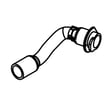
| Won’t drain, then won’t spin | Drain system | Hose asm - d W11244231 or pump asm, dr W11396717 |
Why it matters
The control uses motor speed feedback to keep the washplate and spin basket moving correctly. When it cannot verify speed, it stops the cycle to prevent overheating, drive damage, and out-of-balance events.
When it’s OK to run a test cycle
Run only a short, empty test (or a very small load) after you have:
- Confirmed the basket turns freely
- Corrected overloading
- Verified the lid locks consistently
- Verified the washer drains normally
For code lookups and what the code families mean, use our Whirlpool cabrio top load washer error codes reference.
Last updated: February 2026
What is the average lifespan of a Whirlpool washing machine?
A Whirlpool washing machine typically lasts 10 to 14 years with normal household use and basic care. For your Whirlpool WTW7120HW1 washer, keeping the tub clean, avoiding overloads, and fixing vibration or draining issues early helps you reach the high end of that range.
Typical lifespan and what changes it
Most washer life is determined by load size, installation, and how quickly wear items are addressed.
- Overloading and frequent bulky loads increase stress on the drive system and suspension
- Poor leveling increases vibration and wear on dampers and tub components
- Detergent overuse can cause residue, odors, and performance issues
- Hard water can accelerate buildup and reduce cleaning performance
- Ignoring early symptoms (noise, shaking, slow drain) often leads to bigger repairs
Quick care checklist (high impact)
- Run a monthly cleaning cycle (or hot wash) to reduce residue and odor
- Use HE detergent and measure it carefully
- Keep the lid open between loads to help the basket and tub dry
- Check pockets to prevent coins and debris from damaging the washplate area
- Make sure the washer sits solidly on the floor and does not rock
Parts that commonly affect longevity on this model
If you notice specific symptoms, these parts are often involved on top-load Whirlpool washers like the WTW7120HW1.
| Symptom | Common wear area | Example part on this model |
|---|---|---|
| Won’t start or lid won’t lock | Lid lock or strike | Lid lock-sol W11700916, washer lid strike W11457841 |
| Excessive shaking or banging | Suspension/damping | Damper asm - W11400156 |
| Won’t drain or drains slowly | Drain pump or drain path | Pump asm, dr W11396717, hose asm - d W11244231 |
Why it matters
A washer that is kept level, clean, and not overloaded runs with less strain on the motor, drive assembly, and tub support. That reduces breakdowns and helps you avoid premature replacement of major components.
Last updated: February 2026
What is the most common problem with Whirlpool washers?
The most common Whirlpool washer problems (including model WTW7120HW1) are not draining or not spinning, leaks, loud banging/grinding, and won’t start/locks won’t engage. These issues often trace back to load balance, drain restrictions, or wear items such as the lid lock, drain hose, or drive components.
Most common symptoms and what they usually mean
- Wet clothes at the end of the cycle: drain or spin problem (restriction, pump issue, or drive system issue)
- Water on the floor: loose/cracked hose, drain hose placement, or tub/pump leak
- Loud noise in agitation or spin: worn suspension/dampers, loose washplate hardware, or drive/clutch wear
- Washer won’t start: lid not locking, strike not engaging, or control not sensing a safe condition
- Walking/shaking: unbalanced load, leveling issue, or worn dampers
Quick checks we recommend first (fast, no parts)
- Redistribute the load (bulky items and small loads commonly cause out-of-balance spin issues).
- Confirm the washer is level and all feet are firmly on the floor.
- Check the drain path: kinked hose, clogged standpipe, or slow household drain.
- Run a rinse and spin with the tub empty to see if the symptom repeats.
- Power reset: unplug for 1 minute, then retry a cycle.
Parts that commonly fix these problems on WTW7120HW1
If the basic checks point to a component issue, these model-matched parts are common solutions:
| Symptom | Common fix | Example part for this model |
|---|---|---|
| Won’t start or stops mid-cycle | Lid lock not engaging | Lid lock-sol W11700916 |
| Lid won’t latch consistently | Worn/broken strike | Washer lid strike W11457841 |
| Won’t drain or drains slowly | Drain path restriction or pump issue | Hose asm - d W11244231 |
| Banging/shaking in spin | Weak suspension | Damper asm - W11400156 |
| Grinding/no spin under load | Clutch/drive wear | Clutch coil W10754448 |
Why it matters
Drain, spin, and lid-lock problems can look like “the washer is dead,” but they are often safety-sensing or mechanical wear issues. Fixing the root cause prevents repeat failures, protects the drive system, and helps avoid tub damage.
Last updated: February 2026