Owner’s manual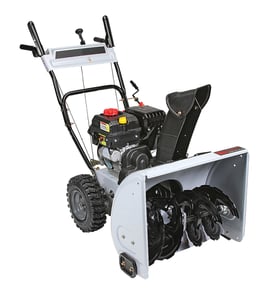





Where is the serial number on a snowblower?
On the Craftsman snow thrower model 536886540, the model and serial numbers are on a decal attached to the rear of the snow thrower housing. Use that serial number (and the model number) when ordering parts or looking up service information in the 536886540 owner's manual.
Where to look on the machine
Check the back side of the unit, behind the auger housing area, on the rear panel of the snowblower housing. The decal typically includes:
- Model number (536886540)
- Serial number
- Date of purchase field (often blank unless you wrote it in)
- Brand identification (Craftsman)
Tips for finding and reading the decal
If the label is hard to spot or read, these steps usually help:
- Brush off packed snow, dirt, or salt residue from the rear housing
- Use a flashlight and look at a shallow angle to reduce glare
- Wipe the decal gently with a damp cloth, then dry it
- Take a close-up photo and zoom in to read small print
- Write the numbers down and store them with your paperwork
What to record (and why)
The model number identifies the correct parts breakdown for your snowblower; the serial number helps confirm production details when there are small design changes.
| What to record | Example format | Why it matters |
|---|---|---|
| Model number | 536886540 | Ensures parts match your exact Craftsman snowblower |
| Serial number | Varies by unit | Helps verify the correct version when ordering or servicing |
| Date of purchase | Your date | Useful for maintenance tracking and reference |
Why it matters
Using the exact model and serial information helps prevent ordering the wrong belt, chute component, or engine part for your Craftsman snowblower, especially when similar models look alike.
Last updated: January 2026
How many years should a snowblower last?
A Craftsman gas snowblower like model 536886540 should last 15 to 20 years with normal residential use and consistent maintenance. Heavy use, poor storage, or skipped service can shorten lifespan closer to 10 years, while well-cared-for machines can exceed 20.
What “good maintenance” looks like for model 536886540
We base these habits on the maintenance and storage guidance in the 536886540 owner's manual.
- Change engine oil on schedule (after the first 2 hours, then about every 25 hours or yearly)
- Keep the auger and drive controls adjusted so belts do not slip
- Lubricate key points (chute flange, chute control rod, auger shaft, axles)
- Use fresh, clean fuel and prep the fuel system for off-season storage
- Clean off salt, slush, and packed snow after each use to prevent corrosion and freeze-up
Parts that most often determine “end of life”
Most snowblowers get replaced because a few wear items are ignored until performance drops. On this model, common wear points include:
- Drive belt (loss of self-propel)
- Auger belt (won’t throw or won’t throw far)
- Friction disc (slipping drive, weak traction)
- Skid shoes and scraper bar (poor clearing, excessive housing wear)
If your unit won’t self-propel, a worn or stretched ground drive belt is a frequent cause; the compatible replacement is the snowblower drive belt 1733324SM.
Quick lifespan guide (what to expect)
| Usage and care level | Typical lifespan | What usually fails first |
|---|---|---|
| Light use, stored dry, serviced yearly | 20+ years | Belts, friction disc |
| Average use, basic seasonal care | 15 to 20 years | Belts, skid shoes |
| Heavy use, stored damp, minimal service | ~10 years | Friction disc, belts, corrosion issues |
Why it matters
A snowblower’s engine can run for decades, but traction and auger performance depend on wear parts and adjustments. Keeping belts, lubrication, and storage routines on track helps your Craftsman 536886540 clear snow efficiently and prevents bigger repairs.
Last updated: January 2026
Should I use 87 or 91 for snowblower?
For the Craftsman snow thrower model 536886540, use clean, fresh unleaded automotive gasoline; 87 octane is the right choice for normal operation, and 91 octane is not required. For best reliability, avoid stale fuel and limit ethanol content when possible (the manual warns alcohol-blended fuels can cause storage-related fuel system issues). See the 536886540 owner's manual.
What the manual says for model 536886540
The owner’s manual specifies:
- Fuel type: unleaded grade automotive gasoline
- Fuel quality: clean and fresh (avoid stale fuel)
- Storage caution: alcohol-blended fuels can attract moisture and contribute to fuel system problems during storage
Because the manual does not call for premium fuel, higher octane (91) does not provide a performance benefit for this model.
87 vs 91: which should you pick?
Use this quick guide:
- 87 octane (regular): Best everyday choice for 536886540
- 91 octane (premium): Only worth considering if it is the easiest way to get ethanol-free fuel in your area
- Old fuel (any octane): Avoid; it is a common cause of hard starting and rough running
| Fuel choice | Works in 536886540? | When it makes sense |
|---|---|---|
| 87 octane unleaded | Yes | Normal use, best value |
| 91 octane unleaded | Yes | If it is ethanol-free and you want storage stability |
| Unleaded with more than 10% ethanol | Not recommended | Can increase fuel system/storage problems |
Why it matters
Snowblower engines are sensitive to fuel quality. Using fresh unleaded fuel and managing ethanol content helps prevent hard starts, surging, and carburetor issues, especially after the snowblower sits between storms or over the off-season.
Helpful next steps
If your snowblower is hard to start or runs rough after sitting:
- Drain old fuel and refill with fresh unleaded
- Follow the manual’s storage steps (run the engine until the carburetor is empty for longer storage)
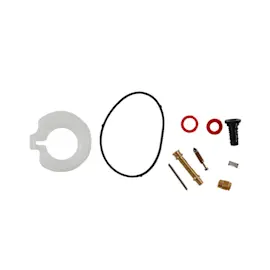
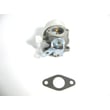
- If fuel problems persist, the carburetor may need service or replacement; see carburetor 640084B
Last updated: January 2026