Error Codes


Can you have a gas stove with electric?
Yes. You can have a stove that uses both gas and electric, most commonly as a dual-fuel range with a gas cooktop and an electric oven. Your GE JB750SJ9SS is an electric range, so it uses electric surface elements and an electric oven, not gas.
Common setups (and what they mean)
- All-electric range: electric cooktop and electric oven (this is the category for GE JB750SJ9SS)
- Gas range: gas cooktop and gas oven
- Dual-fuel range: gas cooktop with an electric oven
- Mixed cooktop: some models combine gas burners with electric or induction zones
What you need to plan for
Even when a range can be “gas and electric,” it still needs the right utilities and hookups.
- Dual-fuel typically needs a gas supply plus a 240V electrical connection
- All-electric typically needs a 240V electrical connection only
- Gas ranges usually need a gas supply plus a standard electrical connection for controls/ignition
Quick comparison
| Range type | Cooktop heat source | Oven heat source | Typical hookup needs |
|---|---|---|---|
| Electric (JB750SJ9SS type) | Electric radiant/halogen | Electric | 240V circuit |
| Gas | Gas | Gas | Gas line + 120V |
| Dual-fuel | Gas | Electric | Gas line + 240V |
Why it matters
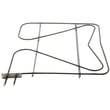
Choosing gas, electric, or dual-fuel affects installation requirements, cooking performance, and which replacement parts you will use. For example, an electric cooktop uses surface elements and switches, such as a GE range halogen surface element WB30T10130 or a GE range surface element control switch WB24X25013, rather than gas valves and igniters.
Last updated: January 2026
What is a common problem of the electric oven?
A very common problem on the GE free standing electric range model JB750SJ9SS is the oven not heating correctly (too cool, too hot, or uneven). The most frequent causes are a failing bake heating circuit, heat loss at the door, or an electronic control issue that interrupts steady power to the oven.
Most common symptoms (and what they usually point to)
- Oven will not heat at all: failed bake circuit component, wiring connection issue, or control failure
- Takes too long to preheat: weak bake output or heat leaking from the door
- Bakes unevenly: heat loss at the door gasket or convection airflow problem
- Display works but no heat: control not sending power to the heating circuit, loose connection
- Burning smell near the cord area: overheating connection at the power terminal block
Quick checks we recommend before replacing parts
- Confirm full power: Electric ranges typically need a full 240V supply; a tripped breaker can leave partial power.
- Inspect the bake element area: With power off, look for blisters, cracks, or separated spots.
- Check the door seal: A torn or flattened gasket leaks heat and causes long cook times.
- Look for loose or overheated wiring: Especially where the cord connects at the back.
Parts that commonly fix “no heat” or poor baking
| Symptom | Likely part area | Example part for JB750SJ9SS |
|---|---|---|
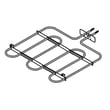
| No bake heat or weak bake | Bake heating circuit | Range bake element WB44X45499 |
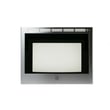
| Heat loss, uneven temps | Door sealing | Range oven door gasket WB04T10086 |
| Dead oven or erratic control | Electronic control | Range oven control board and overlay WB27X33125 |
| Intermittent power, overheating at cord | Power connection | Range terminal block WB17T10011 |
Why it matters
When an electric oven heats incorrectly, cooking results and food safety are affected. Also, a failing electrical connection (such as at the terminal block) can overheat and damage wiring, so addressing the root cause early prevents bigger repairs.
Last updated: January 2026
How long do electric stoves last?
Most electric stoves last 13 to 15 years. A GE free standing electric range like JB750SJ9SS reaches the high end when the cooktop elements, oven heating circuit, and power connections stay in good condition and worn parts are replaced promptly.
Typical lifespan and what affects it
Electric ranges are durable; these factors decide whether you get closer to 10 years or 20.
- Daily cooking frequency and high-heat use
- Heavy use of self-clean cycles (extra heat stress)
- Boilovers that seep under the cooktop and affect wiring
- Loose or overheated power connections
- Replacing wear parts early instead of running them to failure
Parts that most often drive “end of life”
When an electric range feels “worn out,” it is usually repeated failures in a few key areas.
| Symptom | Most common area | Example part for JB750SJ9SS |
|---|---|---|
| Surface burner will not heat or cycles erratically | Surface element control switch | GE range surface element control switch WB24X25013 |
| One radiant element dead or weak | Radiant surface element | GE range dual radiant surface element, 6 to 9-in WB30X24111 |
| Oven not heating or takes too long | Bake circuit | Range bake element WB44X45499 |
| Burning smell, intermittent power, no heat | Power connection | Range terminal block WB17T10011 |
Maintenance that extends range life
- Keep the cooktop clean and dry; wipe up spills quickly
- Avoid slamming cookware onto radiant zones
- Address loose or inconsistent burner knobs early (switch arcing can overheat wiring)
- Watch for overheating at the power connection (discoloration, melted insulation)
- Replace a weak element instead of compensating with higher settings
Why it matters
A range that heats normally and has solid electrical connections lasts longer and costs less to keep. Catching a weak surface element, worn switch, or overheating terminal connection early helps prevent bigger failures.
Last updated: January 2026
How do I reset my GE oven control board?
To reset the control board on your GE JB750SJ9SS free standing electric range, clear the control first, then do a full power reset by turning the range circuit breaker OFF for 60 seconds and turning it back ON. This reboots the electronic control and often clears lockups and false beeps.
Reset steps (safe order)
- Press Clear/Off (or Cancel) and hold for 3 to 5 seconds.
- If the display stays frozen or buttons do not respond, switch the range breaker OFF.
- Wait 60 seconds (up to 2 minutes is fine for stubborn glitches).
- Turn the breaker ON and wait for the control to finish its startup.
- Set the clock if prompted, then test Bake and Broil.
What a reset fixes (and what it will not)
| Symptom | Reset often helps | Likely needs troubleshooting/parts |
|---|---|---|
| Display frozen or unresponsive keypad | Yes | Sometimes |
| Random beeping with no cooking | Yes | Sometimes |
| Oven will not heat at all | Sometimes | Often |
| Surface element not heating correctly | No | Yes |
If the problem comes back right away
- Confirm the range is getting a full 240-volt supply; a tripped half-breaker can leave only 120 volts.
- Check for heat damage or loose connections at the range terminal block WB17T10011.
- If the oven will not bake after the reset, a failed range bake element WB44X45499 can stop normal heating.
- If a surface element cycles oddly or will not regulate heat, the GE range surface element control switch WB24X25013 is a common suspect.
Why it matters
A breaker reset clears temporary electronic lockups. If the control locks up repeatedly, the range is usually reacting to a recurring issue such as unstable power, a heating circuit problem, or a wiring connection that overheats under load.
Last updated: January 2026