

What is the best treadmill for under $500?
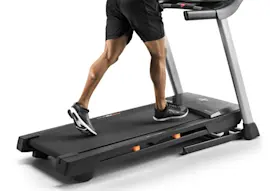
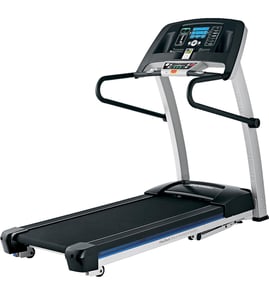
For under $500, the best treadmill is an entry-level, space-friendly model built for walking and light jogging, with a stable deck, a realistic user weight rating, and easy maintenance. If you already own a Proform PFTL512040, the best value is keeping it running safely with the right replacement parts.
What “best under $500” means in real use
Most treadmills in this price range are designed for walking and light jogging, not daily high-speed running. We recommend choosing based on your primary workout and the space you have.
- Walking: prioritize cushioning and a simple console
- Light jogging: prioritize belt stability and a stronger drive system
- Running: prioritize deck rigidity and higher-duty components (usually costs more than $500)
- Small spaces: prioritize fold-up storage and transport wheels
- Long-term value: prioritize parts availability (belt, rollers, safety key)
Quick feature checklist (what to compare)
| Feature | Good target under $500 | Why it matters |
|---|---|---|
| Belt feel and tracking | Smooth, centered, easy to adjust | Reduces slipping and uneven wear |
| Deck stability | Minimal shake at your pace | Improves comfort and safety |
| Incline | Simple manual or basic power incline | Adds variety without extra complexity |
| Serviceability | Common wear parts are replaceable | Lowers total cost of ownership |
If you already own a Proform PFTL512040
We do not treat the Proform PFTL512040 as a “best under $500” treadmill to buy new today; it is a legacy model supported with replacement parts. The smartest move is to restore safe operation and smooth belt tracking.
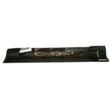
- Replace a missing or damaged safety key using the treadmill safety key assembly 208603
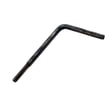
- Correct belt drift and tracking with the treadmill walking belt alignment tool 128457
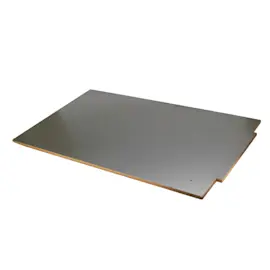
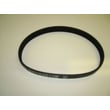
- Replace a worn, frayed, or slipping belt with the treadmill walking belt 206847
Why it matters
Under-$500 treadmills deliver the best results when they match your workout intensity and stay properly maintained. A centered, properly tensioned walking belt and a working safety key prevent interruptions, reduce wear, and improve safety.
Last updated: January 2026
What is the weight capacity of the Proform treadmill 350 lb?
The Proform PFTL512040 treadmill is typically rated for a user weight limit set by the manufacturer for that specific model. “350 lb” is usually a category label used for certain Proform treadmills, not a guaranteed capacity for every Proform unit, so match the rating to your exact model before using it.
How to confirm the correct weight capacity
Use these checks to make sure you are using the right spec for PFTL512040 (not a different Proform model in the same “350 lb” group):
- Check the model ID on the frame label and confirm it reads PFTL512040.
- Look for a “maximum user weight” statement on the treadmill’s warning label or console decal.
- If you are comparing online listings, confirm the listing includes PFTL512040 (not just “Proform” or “LX 670”).
- If the treadmill struggles under load (surging belt speed, frequent stops), stop using it until you inspect the drive system.
- Keep the walking belt properly lubricated and aligned to reduce strain on the motor and electronics.
Why “350 lb” can be confusing
Many retailers group treadmills by a marketing spec (like “350 lb capacity”), but the safe limit is always the one assigned to the exact model number.
| Spec you see | What it usually means | What to rely on for PFTL512040 |
|---|---|---|
| “350 lb capacity” | Category filter for multiple models | The rating printed on the PFTL512040 unit label |
| “Max user weight” | Manufacturer safety limit | The correct capacity for your treadmill |
If the treadmill feels underpowered or shuts off
A treadmill that is overloaded or has high friction can act like it is “over capacity.” These parts are commonly involved:
- Treadmill walking belt 206847 (worn belt increases friction)
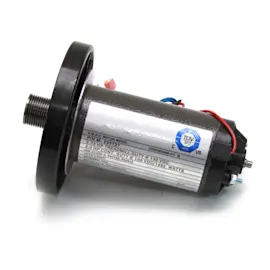
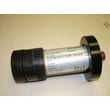
- Motor 286075 (weak motor can surge or stall)
- Cmpt,fuse,0. 212142 (can open if the unit overheats or draws excess current)
Why it matters
Staying within the correct weight capacity helps prevent belt slip, motor overheating, and premature wear on the front roller and rear roller. It also keeps the treadmill stable and safer at higher speeds and incline settings.
Last updated: January 2026
Which treadmills have a decline?
Many treadmills that offer decline are higher-end models built for hill training; your Proform PFTL512040 (LX 670 treadmill) is typically equipped for incline training, while decline capability depends on the specific frame and lift system design. If you are shopping for decline, confirm the spec lists “decline” (negative grade) and the minimum grade value.
Treadmills commonly sold with decline
These are examples of treadmills often marketed with decline capability (negative incline):
- NordicTrack Commercial 1250
- NordicTrack Commercial 1750
- NordicTrack Commercial 2450
- BowFlex T10
- BowFlex T22
- Sunny Health & Fitness SF-X7200
- NordicTrack X16
- NordicTrack X24
How to confirm a treadmill truly has decline
Decline is easy to confuse with incline. We recommend checking these items before you buy:
- Look for a minimum grade below 0% (example: -3%, -5%, or similar)
- Confirm the console has decline controls (not just incline up/down)
- Verify the product listing states decline or negative incline
- Check whether decline works under load (some units restrict it)
- Confirm the maximum user weight and motor rating match your training needs
If you are trying to add decline to a Proform PFTL512040
Decline is not a simple add-on; it requires a frame geometry designed for negative grade and a compatible lift system. If your treadmill is not declining or is stuck, focus on restoring normal lift operation first.
Common parts that can matter during incline/drive troubleshooting include:
- Motor 286075 (drive power and speed control symptoms)
- Treadmill walking belt 206847 (slipping, hesitation, belt drag)
- Kit,wlk-blt, 219170 (walking belt lubrication to reduce friction)
Quick comparison: incline vs. decline
| Feature | What it does | What to look for in specs |
|---|---|---|
| Incline | Raises the front of the deck | Max grade (example: 10% to 15%) |
| Decline | Lowers the front of the deck | Min grade below 0% (example: -3% to -6%) |
Why it matters
Decline training changes muscle loading and impact patterns compared with incline. If your goal is downhill simulation, you need a treadmill engineered for negative grade, not just a high incline range.
Last updated: January 2026