Owner’s manual
 Error Codes




What is the advantage of a bottom mount fridge?
A bottom-mount refrigerator like the KitchenAid KRFC302ESS03 keeps the fresh-food compartment at eye level, so you reach everyday items with less bending. The freezer stays in the lower drawer, which helps keep frequently used refrigerated foods easier to see and access.
Key benefits you will notice day to day
- Less bending for milk, produce, and leftovers (fresh-food section is higher)
- Better visibility of refrigerated items, which helps reduce forgotten food
- Freezer storage is consolidated in a lower drawer, which can be easier to organize by baskets
- Doors tend to stay open less while you search, which supports steadier temperatures
- Often a good fit for households that use the refrigerator section more than the freezer
What changes compared with a top-freezer design
| Feature | Bottom-mount refrigerator | Top-freezer refrigerator |
|---|---|---|
| Most-used foods | Higher, easier reach | Lower, more bending |
| Freezer access | Lower drawer | Upper door |
| Typical organization | Wide shelves, crisper drawers | More vertical stacking |
Why it matters
Less bending and faster “grab and go” access can make the refrigerator feel more convenient, and shorter door-open time can help the unit maintain temperature more consistently during normal use.
Setup tip that helps the doors work their best
For the best day-to-day experience, we recommend leveling the KRFC302ESS03 so the doors close easily and seal well. The leveling procedure and clearances are covered in the owner's manual.
Last updated: February 2026
What are the disadvantages of a bottom freezer refrigerator?
Bottom-freezer refrigerators like the KitchenAid KRFC302ESS03 keep fresh food at eye level, but the tradeoffs are more bending for frozen items, heavier freezer drawers that can wear slides and seals faster, and typically higher purchase and repair costs than basic top-freezer designs.
Common downsides you may notice
- More bending and reaching to access frozen foods in the lower drawer.
- Heavier, fully loaded freezer drawer can feel awkward to open and close.
- Drawer hardware wear: glides, rails, and door seals can take more stress over time.
- Less “quick grab” freezer access if you use frozen items daily.
- Space needs: you often need extra clearance for door swing and for pulling the freezer drawer out.
What matters most for day-to-day use
Bottom-freezer designs are convenient for fresh-food cooking, but they are less convenient if your household relies heavily on frozen foods. If you are frequently in the freezer, the repeated pull-out motion and weight can accelerate wear on moving parts.
Quick comparison
| Feature | Bottom freezer | Top freezer |
|---|---|---|
| Fresh food access | Best (eye level) | Good, but lower shelves require bending |
| Freezer access | More bending | Easier, chest-height |
| Drawer/door stress | Higher (heavy drawer) | Lower (lighter door) |
| Typical cost | Higher | Lower |
Tips to reduce the disadvantages
- Keep heaviest items (meat, bulk bags) closer to the drawer center to reduce twisting.
- Avoid overloading the freezer drawer; it reduces glide life and can affect sealing.
- Make sure doors close easily; leveling helps the doors seal correctly (see the owner's manual).
- If you notice warm spots or uneven temps, check airflow and listen for fan noise; the evaporator fan is a common cooling component.
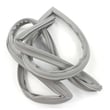
- If the doors do not seal well, inspect the gasket for gaps or tears; a worn gasket can cause longer run times.
Why it matters
These disadvantages mainly affect comfort, organization, and long-term wear. Extra bending and heavier drawer loads are the biggest everyday issues; poor sealing or worn glides can also increase energy use and temperature swings.
Last updated: February 2026
Are all refrigerators 36 inches wide?
No. Refrigerators are not all 36 inches wide; 36 inches is simply a very common width for full-size French door and bottom-mount styles like the KitchenAid KRFC302ESS03. Widths vary widely to match different kitchen cutouts, capacities, and door styles.
Common refrigerator widths (what you will see most often)
Most household refrigerators fall into a few standard width groups:
- 24 inches: apartment and compact full-height models
- 28 to 30 inches: smaller top-freezer and bottom-freezer models
- 32 to 33 inches: mid-size French door and side-by-side models
- 35 to 36 inches: many full-size French door and bottom-mount models
- 42 to 48 inches: built-in and oversized premium models
How to choose the right width for your kitchen
Width is only part of fit. Door swing and ventilation clearance matter just as much.
- Measure the cabinet opening width at the front and back
- Confirm door swing clearance near walls and islands
- Plan for ventilation space around the refrigerator
- Check that the unit can pass through doorways and hallways during delivery
- If you have an ice maker or water dispenser, allow room for the water line connection
For KRFC302ESS03, we recommend using the clearances and location requirements listed in the owner's manual.
Quick comparison: width vs. what it affects
| What changes | Why it matters | What to check |
|---|---|---|
| Refrigerator width | Fit in the cabinet opening | Opening width and trim/cabinet interference |
| Door style (French door, side-by-side) | Door swing and access | Wall clearance on hinge side |
| Depth (standard vs. counter-depth) | How far it sticks out | Door clearance and walkway space |
Why it matters
Choosing the wrong width can cause installation problems (doors hitting walls, poor airflow, or a unit that will not slide into the opening). Getting the measurements right helps your refrigerator cool efficiently and prevents unnecessary service calls.
Last updated: February 2026
What is the most common problem with KitchenAid refrigerators?
The most common KitchenAid refrigerator issues are ice maker and water dispensing problems, plus temperature swings (warm fridge, soft ice cream, or uneven cooling). On your KitchenAid KRFC302ESS03, these symptoms often trace back to airflow, filtration, or water-supply components and basic maintenance.
Most common symptoms we see
- Ice maker not making ice, slow ice production, or small cubes
- Water dispenser flow is weak or stops after a filter change
- Fresh food section too warm while freezer seems OK (or the reverse)
- Frost buildup or moisture that leads to leaks/puddles
- Unusual fan noise or intermittent cooling
Quick checks that fix many complaints
Start with these simple steps before replacing parts:
- Confirm temperature settings and allow 24 hours after any adjustment
- Clean condenser coils and make sure vents inside are not blocked by food packages
- Replace the water filter on schedule; a restricted filter can reduce water flow and affect ice production
- After replacing a filter, purge air from the water line by dispensing several cups of water
- Check door closing and gasket sealing; poor sealing causes temperature and moisture problems
Parts that commonly solve the underlying cause
If symptoms persist, these KRFC302ESS03 parts are frequent fixes:
| Symptom | Common cause | Part to consider |
|---|---|---|
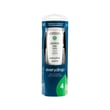
| Weak water flow or no ice | Restricted filter or water supply issue | Filter, water EDR4RXD1 |
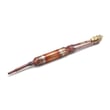
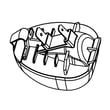
| No water to dispenser/ice maker | Valve not opening consistently | Refrigerator water inlet valve assembly WPW10420083 |
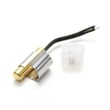
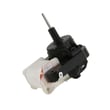
| Warm temps, poor airflow, fan noise | Evaporator fan not moving air | Refrigerator evaporator fan motor WPW10128551 |
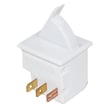
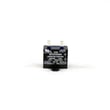
| Lights not working when door opens | Door switch not signaling correctly | Refrigerator door switch W11396033 |
Why it matters
Ice maker and temperature complaints are usually “system” problems: restricted water flow, poor airflow, or a door that is not sealing. Fixing the root cause protects food quality, reduces frost and leaks, and helps the compressor run less.
Helpful DIY guidance
- Use our owner's manual for model-specific operating tips, temperature recommendations, and care/cleaning guidance.
- For step-by-step filter help, follow how to replace the water filter in a KitchenAid refrigerator.
Last updated: February 2026