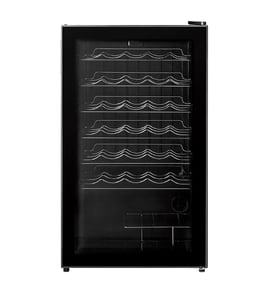

Does anybody make wine coolers anymore?
Yes. Manufacturers still make wine coolers (wine and beverage refrigerators) like the Marvel 61WC wine & beverage cooler; they are widely sold in many sizes and styles, including built-in and freestanding units with single-zone or dual-zone temperature control.
Wine cooler vs. “wine cooler” drinks
People use the term “wine cooler” in two different ways:
- Wine cooler appliance: A temperature-controlled wine and beverage cooler (like Marvel 61WC).
- Wine cooler beverage: A flavored alcoholic drink; many brands now sell malt-based or seltzer-style versions.
- Why it matters: If you are shopping for parts or troubleshooting, you want the appliance category, not the beverage.
What’s still common in today’s wine and beverage coolers
Most modern wine and beverage coolers, including units in the Marvel category, typically offer:
- Adjustable thermostat or electronic temperature control
- Interior fan for more even cabinet temperature
- Door gasket to hold temperature and reduce condensation
- Shelving designed for wine bottles and cans
- Built-in or undercounter installation options (model-dependent)
Quick buying and fit checklist (appliance)
Use this checklist to match a replacement unit or confirm what you own:
| Feature | Common options | Why it matters |
|---|---|---|
| Installation | Built-in, freestanding | Built-in needs front ventilation; freestanding needs clearance |
| Zones | Single-zone, dual-zone | Dual-zone helps separate reds and whites |
| Capacity | ~12 to 150+ bottles | Determines cabinet size and shelf layout |
| Cooling type | Compressor, thermoelectric | Compressor cools better in warmer rooms |
Why it matters for parts and service
For Marvel 61WC owners, the most important step is matching the exact model number when looking up diagrams and compatible replacement items (controls, fans, door seals, shelves). We recommend starting with the model-based lookup on Sears PartsDirect so you land on the correct wine & beverage cooler parts listing.
Last updated: February 2026
What is the most common problem with wine coolers?
The most common problem with a wine cooler (including the Marvel 61WC wine & beverage cooler) is inconsistent cooling: the cabinet runs too warm, too cold, or swings in temperature. In most cases, the root cause is restricted airflow, a weak door seal, or a control or sensor issue that makes the compressor and fans cycle incorrectly.
Quick checks that fix the most “not cooling right” complaints
- Confirm the temperature setting was not bumped (many coolers drift warm after a setting change).
- Make sure the door closes firmly and stays closed; re-seat bottles so nothing hits the door.
- Clean dust from the condenser area and vents; blocked airflow is the most common maintenance-related cause.
- Verify the unit has breathing room (especially if built-in); tight clearances trap heat.
- Avoid overpacking; dense loading blocks internal circulation and creates hot spots.
- Let the cooler stabilize after loading warm bottles; temperature recovery can take hours.
Common symptoms and what they usually point to
| Symptom | Most likely cause | What we do first |
|---|---|---|
| Runs warm | Dirty condenser, poor ventilation, door gasket leak | Clean condenser, check door seal, confirm clearances |
| Freezing or too cold | Control setting too low, sensor/control problem | Reset setting, power cycle, monitor for 24 hours |
| Big temperature swings | Door openings, airflow blockage, fan issue | Reduce openings, improve airflow, listen for fan operation |
| Loud or new noises | Fan hitting ice/debris, vibration, compressor strain | Check for obstructions, level the unit, clean condenser |
| Water inside | Drain restriction, frequent door openings | Check for blockage, reduce humidity exposure |
Why it matters for wine and beverages
Stable temperature protects flavor and carbonation, and it reduces compressor run time. When airflow is restricted or the door seal leaks, the compressor works harder, temperatures fluctuate more, and energy use goes up.
Parts and repair planning
If cleaning and airflow checks do not restore stable cooling, the next step is targeted diagnosis of electrical components (controls, sensors, fans, compressor start components). We recommend using a meter and safe test practices; our DIY resources can help you prepare. You can also search by model number on Sears PartsDirect to find diagrams and compatible replacement parts for the Marvel 61WC.
Last updated: February 2026
What is the difference between a wine cooler and a beverage cooler?
A wine cooler is built to protect and serve wine by holding a steadier, wine-friendly temperature with gentler operation (low vibration) and storage that supports bottles; a beverage cooler is built to chill mixed drinks colder and faster with flexible shelving for cans and bottles. For the Marvel 61WC, the “wine and beverage” design aims to do both well.
Key differences that affect performance
- Temperature range and stability: Wine storage typically targets about 45 to 65°F with tight stability; beverage chilling commonly runs colder (about 35 to 50°F) for ready-to-drink refreshment.
- Humidity considerations: Wine coolers are commonly designed to avoid overly dry conditions that can stress natural corks over time.
- Vibration and noise control: Wine coolers usually prioritize low vibration to help protect wine during storage.
- Interior layout: Wine coolers often use racks sized for 750 ml bottles; beverage coolers usually use adjustable shelves for cans, mixers, and assorted bottle shapes.
- Door and lighting use: Beverage coolers are often opened more frequently; designs tend to prioritize quick recovery after door openings.
Which one should you choose?
Use this quick guide to match the cooler type to how you actually drink and store.
| If you mostly store... | Better match | Why |
|---|---|---|
| Reds/whites you want to keep ready and stable | Wine cooler | Steadier wine-friendly temps; bottle-focused racks |
| Beer, soda, sparkling water, mixers | Beverage cooler | Colder setpoints; flexible shelving |
| A mix of wine plus cans/bottles | Wine & beverage cooler (like Marvel 61WC) | Balanced design for both categories |
Why it matters
Wine is sensitive to temperature swings, dryness, and vibration, especially for longer storage. Beverages like beer and soda are more forgiving, and most people prefer them colder, so a beverage cooler is optimized for fast chilling and frequent access.
Parts and model-number tips
- Always match parts to the exact model number: 61WC.
- If you are comparing similar Marvel units, confirm the data plate model before ordering.
- For broader parts lookup by model number, search on Sears PartsDirect.
Last updated: February 2026
What is the best energy rating for a wine cooler?
The best energy rating for a wine cooler is the highest-efficiency class shown on the label for your region. In the U.S., that typically means choosing an ENERGY STAR certified unit; for the Marvel 61WC wine cellar, compare the unit’s annual kWh and look for the lowest number for the same size and features.
What to look for on the energy label
Use these checks to compare wine and beverage coolers fairly:
- Annual energy use (kWh/year): lower is better when capacity and temperature zones are similar.
- Size and capacity: larger cabinets and dual-zone designs usually use more energy.
- Compressor vs. thermoelectric: compressor models commonly cool more consistently; efficiency varies by design.
- Ambient room temperature range: units running in warmer rooms cycle more and use more power.
- Door type and seals: tight gaskets and insulated glass reduce runtime.
Quick comparison guide (what “best” means)
| If you want… | Prioritize… | Typical tradeoff |
|---|---|---|
| Lowest operating cost | Lowest kWh/year for similar capacity | May cost more upfront |
| Stable wine temps | Compressor cooling, good insulation | Slightly higher kWh than basic units |
| Quiet operation | Lower vibration design, good airflow | Some ultra-quiet units sacrifice cooling power |
| Dual-zone storage | Efficient dual-evaporator or well-designed airflow | Often higher kWh/year |
Why it matters
Energy efficiency affects more than your electric bill. A cooler that runs less often typically has steadier temperatures, less compressor wear, and fewer humidity swings, which helps protect corks and flavor over time.
Buying and parts tip for Marvel 61WC
When you’re comparing ratings or shopping for replacement items, start with the model number (61WC) so you match the correct configuration and electrical requirements. If you do not see what you need listed for this model, search by model number on Sears PartsDirect.
Last updated: February 2026
Is it worth repairing a wine fridge?
Yes, repairing a Marvel 61WC wine and beverage cooler is worth it when the unit is in good overall condition and the problem is a common service item (fan, thermostat/control, door seal, wiring). Replacement makes more sense when the sealed system is failing (compressor or refrigerant leak) or repair cost approaches the price of a comparable new unit.
Quick decision checklist
- Repair if the cooler still cools somewhat, the cabinet is solid, and the issue is intermittent (temperature swings, noisy fan, door not sealing).
- Repair if the estimate is well under 50% of the cost of a similar replacement unit.
- Replace if the compressor will not start, cooling is near zero, or there is evidence of a refrigerant leak.
- Replace if rust, water damage, or heavy corrosion is present around electrical parts.
- Replace if you need multiple major components at once (control plus compressor plus fans).
What typically costs the most to fix
Sealed-system work is the cost driver on most wine fridges because it requires specialized tools and refrigerant handling.
| Problem area | Examples of symptoms | Usual “worth it” guidance |
|---|---|---|
| Airflow/control | Warm top shelf, short cycling, loud fan, erratic temps | Often worth repairing |
| Door sealing | Sweating, frost, temp drift, runs constantly | Often worth repairing |
| Sealed system | No cooling, compressor very hot, repeated clicking | Often better to replace |
Why it matters (wine storage and reliability)
Wine and beverage coolers like the Marvel 61WC are designed to hold a steady temperature. When a small issue (like poor airflow or a weak door seal) is ignored, the unit can run longer than normal, which increases wear on the compressor and raises energy use.
How we recommend you price it out
- Get a repair estimate that separates labor and parts.
- Ask whether the diagnosis points to sealed system vs controls/airflow.
- Compare the estimate to the cost of a similar-size replacement and your expected remaining lifespan.
For parts lookup by model number and to compare availability across assemblies, start with the parts list for Marvel 61WC, then search our catalog on Sears PartsDirect.
Last updated: February 2026