Error Codes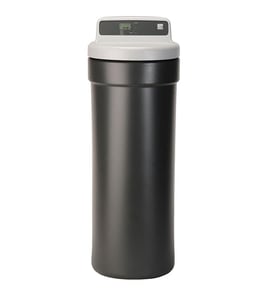

How long does a 40 lb bag of water softener salt last?
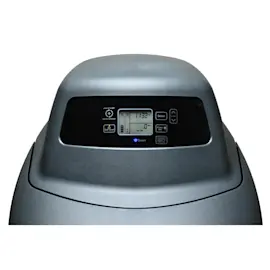
For a typical household using a GE PNSF39Z01 water softener, a 40 lb bag of salt usually lasts about 4 to 6 weeks. Actual usage depends most on your water hardness, the number of people in the home, and how efficiently the softener is regenerating.
What changes how fast you use salt
Salt consumption is driven by how often the unit regenerates and how much hardness it has to remove.
- Higher water hardness means more frequent regeneration and faster salt use
- More people (more showers, laundry, dishes) increases water demand and salt use
- A salt bridge or salt mush can make it look like you are using less salt while performance drops
- A running toilet or hidden leak can dramatically increase regeneration frequency
- Incorrect settings (hardness level, regeneration schedule) can waste salt
Quick “rule of thumb” ranges
Use these as practical planning numbers for most homes.
| Household size | Typical 40 lb bag lasts | Notes |
|---|---|---|
| 1 to 2 people | 6 to 10 weeks | Moderate hardness, normal water use |
| 3 to 4 people | 4 to 6 weeks | Common real-world range |
| 5+ people | 2 to 4 weeks | Faster use, especially with hard water |
How to tell if your softener is using too much (or too little) salt
If your salt use seems “off,” check these common causes before replacing major components.
- Salt level drops unusually fast: verify hardness setting and look for plumbing leaks
- Salt level never drops: break up a possible salt bridge and confirm the unit is regenerating
- Water feels hard between regenerations: clean the nozzle/venturi area and screens
- Unit seems stuck in a cycle: inspect the rotor position sensing and drive operation
If you suspect a regeneration or valve issue, common service parts for this model include the gasket kit 7187772 and the switch 7030713.
Why it matters
Keeping salt usage in a normal range helps the PNSF39Z01 deliver consistent soft water while avoiding wasted salt, excess water use during regeneration, and premature wear on valve seals and internal components.
Last updated: January 2026
What are the most common issues with PNSF39Z01?
The most common issues we see with the GE PNSF39Z01 water softener are hard water (not regenerating), low household water flow, and leaks around the valve or tanks. These problems usually trace back to the valve seals, a clogged screen, a stuck rotor/disc, or a bypass valve that is not fully in service.
Common symptoms and likely causes
- Water feels hard or spots return: resin exhausted, valve not cycling, or internal seal wear
- Low water pressure at faucets: clogged inlet screen, incorrect flow plug, or a restriction in the valve
- Water leaking at the softener: worn O-rings, gasket/seal failure, loose fittings
- Softener runs but performance is inconsistent: rotor/disc wear or drain sealing issues
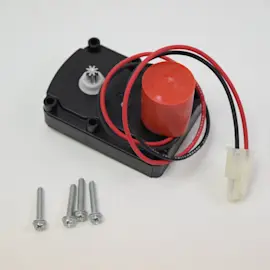
- No regeneration or intermittent operation: electrical/control issue such as a failed switch or transformer
Parts that commonly fix these issues
If your symptoms match, these model-compatible parts are frequent solutions:
- Water softener o-ring kit WS35X10001 for seepage at valve connections and internal O-ring leaks
- Seal kit 7129716 for worn internal seals that can cause hard water or leaking
- Screen 7146043 for low flow caused by debris buildup
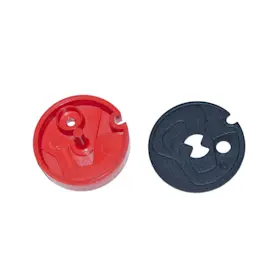
- Rotor disc 7199232 for a valve that sticks, chatters, or does not index correctly
- Bypass valve WS15X10012 if the unit is accidentally bypassed or the bypass leaks internally
Quick checks we recommend before replacing parts
- Confirm the bypass is fully set to service (not bypass).
- Check for obvious drips at fittings; snug connections carefully (do not overtighten).
- If flow is low, inspect and clean the inlet screen.
- If water is hard, run a manual regeneration and verify the unit drains properly.
- If the unit seems dead, verify power to the transformer and look for loose wiring.
Symptom-to-part guide
| Symptom | Most common fix | Example part on this model |
|---|---|---|
| Hard water | Valve sealing components | Seal kit, O-ring kit |
| Low flow | Screen or flow restriction | Screen, flow plug |
| Leaks | O-rings, gaskets, seals | O-ring kit, gasket kit |
| Won’t cycle | Electrical component | Switch, transformer |
Why it matters
A softener that is bypassed, restricted, or leaking can waste salt and water, reduce appliance life (water heater, dishwasher), and cause scale buildup in plumbing. Addressing the root cause early usually prevents valve body damage.
Last updated: March 2026
What is the typical lifespan of a water softener system?
A typical water softener system lasts 10 to 15 years. For a GE water softener like model PNSF39Z01, lifespan depends most on water hardness, salt quality, and whether key sealing and valve components stay leak-free and clean.
What affects lifespan the most
- Water hardness and iron: harder water and iron increase regeneration demand and wear.
- Salt type and cleanliness: dirty salt can clog the venturi/nozzle and foul the brine system.
- Leaks and internal bypassing: worn seals can reduce softening performance and waste salt.
- Power quality: a failing transformer can cause control issues and missed regenerations.
- Maintenance habits: routine cleaning and correct settings extend resin and valve life.
Signs it is nearing end of life
- Water feels hard again soon after regeneration
- Salt use increases noticeably without a settings change
- Frequent sticking during regeneration cycles (noisy or stalled valve)
- Persistent leaks around the valve or tank connections
- Resin problems (fine beads in plumbing, reduced capacity)
Common part-related fixes vs. replacement
| Symptom | Often a repair | Often replacement time |
|---|---|---|
| Minor leak at valve area | Seals/gaskets | Cracked tank or repeated leaks |
| Poor brine draw | Venturi/nozzle cleaning or gaskets | Chronic performance loss after multiple repairs |
| Stalling during cycles | Switch/rotor service | Major valve body wear plus resin decline |
| Hard water breakthrough | Settings, seals, cleaning | Resin exhausted and valve wear together |
If you are troubleshooting leaks or weak softening on PNSF39Z01, the seal kit 7129716 and gasket kit 7187772 are common wear items that can restore proper sealing and brine performance.
Why it matters
A softener that is past its effective lifespan can still run, but it typically costs more in salt and water, and it can allow scale buildup on water heaters, faucets, and appliances.
Last updated: January 2026