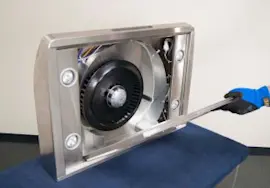
Owner’s manual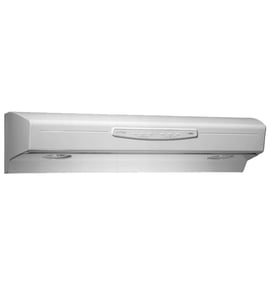


What are the parts of a range hood called?
A Kenmore range hood like model 23351840591 is typically made up of the hood body (canopy), a blower (fan motor and wheel), filters, ducting or a non-ducted filter setup, lighting, and the control switches that run the fan speeds and lights. For the exact component list and diagrams, use the 23351840591 owner's manual.
Common range hood part names (what you will hear them called)
- Hood canopy (the main metal body that captures smoke and grease)
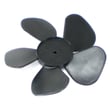
- Blower assembly (fan motor plus blower wheel/impeller)
- Grease filter (often aluminum mesh) and filter latch
- Ducting and damper (for ducted installations)
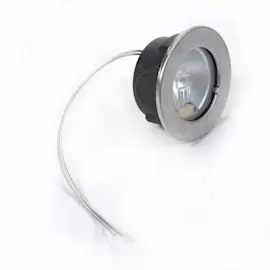
- Light assembly (lamp, lens, socket)
- Control switches (fan speed control, light switch)
- Wire harness and wiring cover
Model 23351840591 parts you may replace most often
These are common service parts for this Kenmore hood:
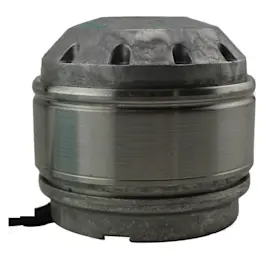
- Range hood fan motor S97011224 (drives the blower)
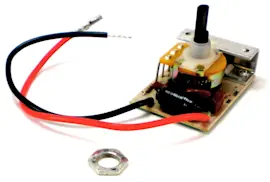
- Range hood fan switch S99030285 (controls fan on and speed)
- Range hood light switch 97016438 (controls normal and night light)
- Range hood filter latch S99420472 (holds the filter in place)
- Range hood light lens S99110437 (covers and diffuses the light)
Quick “name to function” cheat sheet
| Part name | What it does | Common symptom when it fails |
|---|---|---|
| Fan motor | Spins the blower wheel to move air | Fan hums, won’t start, or runs weak/noisy |
| Fan switch (speed control) | Turns fan on and adjusts speed | Fan won’t run, stuck on one speed |
| Light switch | Selects off, normal, night light | Lights won’t turn on or won’t change modes |
| Filter latch | Secures the grease filter | Filter won’t stay seated or rattles |
Why it matters
Knowing the correct part names helps you match the right replacement part and troubleshoot faster. For example, the manual describes the fan switch as a solid-state speed control and the light switch as a 3-position control (off, normal, night light), which points you to the switch when the fan or lights act erratically.
Last updated: February 2026
How to clean Kenmore kitchen hood vent?
To clean the vent system on your Kenmore range hood model 23351840591, turn power off, remove and wash the filters, then wipe the hood surfaces with mild soap and warm water. Keep water out of the motor area and reinstall only when everything is fully dry (see the 23351840591 owner's manual).
Safe cleaning steps (what we recommend)
- Switch power off at the breaker or unplug the hood before cleaning.
- Remove the aluminum mesh filter(s) and wash in warm water with mild dish detergent.
- For heavy grease, soak longer and use a soft brush; avoid harsh abrasives.
- Wipe painted or stainless surfaces with mild soap and warm water; rinse and dry.
- Clean the fan blade with a damp cloth and mild detergent; do not bend the blade.
- Let all parts dry completely before reinstalling filters and restoring power.
What to avoid (prevents damage)
The manual guidance for this style of hood is clear: heat and strong chemicals can damage finishes, and water in the motor can ruin the fan.
| Area | Use | Avoid |
|---|---|---|
| Painted surfaces | Mild soap/detergent + warm water | “New and improved” harsh cleaners, strong degreasers |
| Stainless steel | Clean with the grain; rinse and dry immediately | Scrubbing across grain, leaving water to air-dry |
| Fan and motor area | Damp cloth on fan blade only | Spraying cleaner into the blower, letting water enter motor |
If the fan performance is weak after cleaning
Grease buildup and restricted airflow are common causes.
- Confirm filters are seated and latched correctly
- Check that the damper flap moves freely (ducted setups)
- Make sure the duct path is not blocked or crushed
- If the motor hums but the fan does not spin, inspect the range hood fan motor S97011224
Why it matters
A clean filter and blower move more air, reduce grease accumulation, and help lower the risk of grease buildup on the fan and filter. Regular cleaning also helps keep the hood finish from discoloring over hot cooking.
Last updated: February 2026
Can range hoods be repaired?
Yes. Kenmore range hoods like model 23351840591 are designed to be serviced; most problems are fixed by cleaning grease buildup, correcting wiring or venting issues, or replacing common wear parts such as the fan motor, switches, or wiring harness. See the 23351840591 owner's manual for safety steps and service parts guidance.
What we repair most often on a range hood
These are the most common repair paths when a hood is noisy, weak, or not working:
- Clean the aluminum mesh filter and remove grease from the fan housing (grease buildup causes poor airflow and noise)
- Verify the hood is vented correctly (ducted fans must vent outdoors; use metal ductwork)
- Check the fan speed control and light switch operation
- Inspect wiring connections and the ground connection before replacing parts
- Replace failed electrical parts (motor, switch, harness) when tests confirm a fault
Common parts that make a repair straightforward
If symptoms point to a failed component, these model-specific parts are typical fixes:
| Symptom | Likely area | Example part for 23351840591 |
|---|---|---|
| Fan will not run or runs intermittently | Fan control or motor circuit | Range hood fan switch S99030285 |
| Fan hums, is noisy, or will not spin | Motor or mounting | Range hood fan motor S97011224 |
| Lights do not respond correctly | Light control | Range hood light switch 97016438 |
Quick checks before you buy parts
Turn power off at the breaker before opening the hood.
- Confirm the house supply is 120 VAC and the hood is properly grounded
- Make sure wire connections are tight (black to black, white to white, ground to the green ground screw)
- If the fan runs but airflow is weak, clean the filter and check for a blocked damper or duct
- If the fan speed changes erratically, the solid-state fan switch is the first part to test
Why it matters
A repair is usually cheaper than replacement and restores safe, effective ventilation. The manual also calls out key safety requirements (proper venting, metal ductwork, and frequent cleaning) that prevent grease buildup and performance problems.
Last updated: February 2026
Why is the fan not working on my Kenmore range hood?
On Kenmore range hood model 23351840591, the fan usually stops working because the fan speed control (fan switch) is bad, the motor is failing, or the hood is not getting power. Start with a quick power check, then test the switch and motor.
Quick checks first (no parts needed)
- Confirm the hood has power: reset the breaker, then verify the outlet (if corded) works.
- Make sure the fan blade spins freely by hand with power off; it should turn without rubbing.
- Check for heavy grease buildup on the filter and fan area; grease can slow or stall the blower.
- If the fan turns on but airflow is weak, inspect the damper and duct for blockage or a stuck flap.
- If the fan runs only on one speed or cuts in and out, the solid-state fan control is the top suspect.
Most common failed parts for “fan not working”
| Symptom | Most likely cause | What we replace most often |
|---|---|---|
| No fan at any setting, lights still work | Failed fan speed control | Range hood fan switch S99030285 |
| Hums, won’t start, or runs rough/noisy | Worn motor bearings or failing motor | Range hood fan motor S97011224 |
| Intermittent operation after moving wires | Loose/burned connection | Wire harness connections (inspect) |
| Fan runs but poor suction | Blocked duct, stuck damper, dirty filters | Clean and clear vent path |
How we recommend diagnosing it (safe, practical order)
- Cut power at the breaker.
- Remove the filter and verify the blower wheel spins freely (the manual warns not to push on the fan blade during handling).
- Restore power and try the fan control through its full range; on this model the fan switch is a solid-state speed control that turns on at high and then reduces speed as you continue rotating.
- If the control feels normal but the motor will not run, replace the motor.
- If the motor runs only when you wiggle wiring, inspect the harness and terminals for heat damage.
Why it matters
A non-working range hood fan lets heat, smoke, and grease stay in the kitchen; grease buildup also increases the chance of flare-ups. The manual also calls out cleaning the ventilating fan and filter frequently to prevent grease accumulation.
For wiring, mounting height (typically 24 to 30 inches above the cooktop), and operating details, use the 23351840591 owner’s manual.
Last updated: February 2026
Why would a range hood stop working?
A Kenmore range hood model 23351840591 usually stops working because it lost power (tripped breaker, loose wiring, bad cord connection), or a failed control component such as the fan switch, light switch, or fan motor. Start with power and wiring checks, then test the switches and motor.
Quick checks first (fastest wins)
- Confirm the hood has power at the outlet or junction box; reset the breaker if needed.
- If your hood uses a cord, inspect the plug and cord for damage; replace with the correct cord kit SHCK44 if worn.
- Check for loose or burned wire connections in the hood wiring compartment (power off first).
- Make sure the fan speed control is being rotated correctly; this model uses a solid-state fan speed control.
- If the hood is ducted, verify the damper is not stuck closed and the duct is not blocked.
Most common failed parts on this model
If power is present but the hood will not run, these parts are the most likely causes:
| Symptom | Most likely cause | What to test/inspect |
|---|---|---|
| Fan does not run on any speed | Failed fan switch or motor | Switch output, motor continuity, seized blower |
| Fan runs intermittently | Loose wiring or failing switch | Wiggle-test wiring, inspect terminals |
| Lights work but fan does not | Fan circuit issue | Fan switch, motor, harness |
| Fan works but lights do not | Light circuit issue | Light switch, socket, wiring |
Model-matched parts to consider:
- Range hood fan switch S99030285
- Range hood fan motor S97011224
- Range hood wire harness S97013649
- Range hood light switch 97016438
Why it matters
A non-working range hood reduces smoke and grease capture, and grease buildup can increase odor and airflow problems. The manual also emphasizes frequent cleaning so grease does not accumulate on the fan or filter; keeping airflow clear helps prevent repeat failures.
What we recommend next
- Follow the wiring and switch operation details in the 23351840591 owner’s manual.
- If you have a multimeter, check for voltage to the fan switch and continuity through the motor windings (power disconnected).
- If the fan is noisy, slow, or seized, replace the motor and verify the bracket is secure.
Last updated: February 2026