Owner’s manual
 Error Codes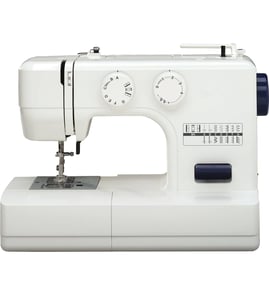

How do I find out how much my sewing machine is worth?
Your Kenmore sewing machine model 38516221300 is worth what buyers are currently paying for the same model in similar condition, with the same accessories and proof it sews correctly. The fastest way to estimate value is to match your machine’s exact model and condition to recent sold listings, then adjust for missing parts and service needs.
Step-by-step: get a realistic value
- Confirm the exact model number on the ID plate: 38516221300.
- Verify it runs and stitches at multiple speeds; bring a fabric scrap and test straight stitch and zigzag.
- Inventory what’s included (foot controller, power cord, presser feet, bobbins, manuals, case/tote bag).
- Check for wear items that reduce value (belt condition, needle plate wear, noisy motor, stiff handwheel).
- Compare to sold prices (not asking prices) for the same model and similar completeness.
- If it needs service, subtract the typical cost of cleaning, lubrication, and timing adjustment.
What changes the price the most
| Factor | Usually increases value | Usually decreases value |
|---|---|---|
| Condition | Clean, smooth handwheel, consistent stitches | Rust, seized parts, inconsistent tension |
| Completeness | Original accessories and attachments | Missing foot controller, missing feet/bobbins |
| Function | Motor runs strong, speed control works | Sluggish running, burning smell, intermittent power |
| Service history | Recently cleaned and adjusted | Unknown history, obvious neglect |
Quick model-specific checks (38516221300)
From the specifications, this is a mechanical Kenmore 385-series machine with a max sewing speed over 730 spm and a 1-step built-in buttonhole. Use the 38516221300 owner's manual to confirm included accessories and operating checks so your listing matches what buyers expect.
Why it matters
Accurate valuation depends on matching the exact model and proving it works. A machine that sews smoothly with the correct foot controller and accessories typically sells faster and for more than an untested, incomplete unit.
Last updated: February 2026
How old is the Kenmore sewing machine model 38516221300?
The Kenmore sewing machine model 38516221300 is a mechanical machine from Kenmore’s long-running 385 model family; most 385-series machines were produced from the mid-1960s through the 1980s, so this model is typically several decades old. For the most accurate age, match your machine’s identification details to the information in the 38516221300 owner's manual.
How to estimate the age of your specific machine
Use these quick checks to narrow it down without guessing:
- Confirm the exact model number on the rating/ID plate: 38516221300
- Check for a serial number and write it down exactly
- Look for the original purchase receipt or warranty paperwork (best date source)
- Review the manual’s model identification page to confirm you have the correct manual for your unit
- If your machine has been serviced, check for dated service stickers or notes inside the case
What the manual tells you (and what it does not)
Your 38516221300 owner's manual confirms the model and includes warranty terms that start from the date of purchase, which is the most reliable way to date a specific unit.
| Item | What it helps with | What to look for |
|---|---|---|
| Model number | Confirms exact version | 38516221300 on the ID plate/manual cover |
| Serial number | Narrows production run | Stamped/printed serial on the machine |
| Receipt | Pins down true age | Purchase date |
| Warranty terms | Confirms purchase-based coverage | “From the date of purchase” language |
Why it matters
Knowing the approximate age helps us choose the right repair approach for a Kenmore mechanical sewing machine, especially for wear items and maintenance needs like cleaning lint from the hook/shuttle area, checking belt condition, and verifying safe power-cord and foot-control operation.
Last updated: February 2026
What is the most trouble-free sewing machine?
The most trouble-free sewing machine is usually a simple mechanical model from a proven brand, maintained regularly and used within its limits. For Kenmore model 38516221300, the die-cast metal internal frame and long mechanical-component coverage reflect a durability-focused design; use the 38516221300 owner's manual to keep it running smoothly.
What “trouble-free” really means
A machine with fewer problems is one that is easy to thread, easy to clean, and forgiving about fabric and thread choices. Mechanical machines typically have fewer electronics to troubleshoot, which often makes them simpler to keep reliable over time.
Common traits of low-hassle machines
- Mechanical stitch selection (fewer boards and sensors)
- Solid internal frame (metal frame is a plus)
- Easy access for cleaning lint around feed dogs and bobbin area
- Widely available needles, bobbins, and presser feet
- Straight stitch and zigzag that stay consistent at normal speeds
How to choose a reliable machine (quick checklist)
Use this checklist when comparing brands and models in any price range:
- Pick the simplest feature set that covers your projects (straight, zigzag, buttonhole)
- Confirm it can handle your typical fabric thickness (denim, canvas, knits)
- Make sure the bobbin system is easy for you to load and tension consistently
- Avoid forcing heavy materials; that is a top cause of timing and needle-bar issues
- Plan on routine cleaning and oiling only as directed in the manual
Mechanical vs computerized: reliability comparison
| Type | Typical reliability advantage | Typical downside |
|---|---|---|
| Mechanical | Fewer electronic failure points; straightforward adjustments | Fewer convenience features |
| Computerized | More stitch options; speed control features | More sensitive to power issues and board failures |
Why it matters
Most “problem” machines are actually dealing with setup and maintenance issues: incorrect threading, dull or wrong needle type, lint buildup, or mismatched thread. Keeping tension, needle choice, and cleaning consistent prevents the majority of jams, skipped stitches, and thread breaks.
If your Kenmore 385 machine shows an error
Use the Kenmore 385 error codes guide to match the code to the most likely cause and the next best fix.
Last updated: February 2026
When did Kenmore stop making sewing machines?
Kenmore sewing machines were discontinued after Sears stopped offering new Kenmore-branded sewing machine models; there is no single, official “stop date” that applies to every Kenmore series. For your Kenmore model 38516221300, the most reliable reference is the documentation and parts support available today, not a specific end-of-production year.
What you can rely on for model 38516221300
We focus on what helps you keep this mechanical sewing machine running well, regardless of when the Kenmore line ended. Use the 38516221300 owner's manual for setup, maintenance, and troubleshooting steps.
- Confirm correct upper threading and bobbin threading
- Clean lint from the shuttle/hook race area regularly
- Use the correct needle type and install it fully seated
- Check tension settings before adjusting timing or internal parts
- Verify the machine is plugged in and the clutch is engaged before deeper troubleshooting
Practical expectations today
| Topic | What to expect | Why it matters |
|---|---|---|
| Buying “new” Kenmore sewing machines | Typically not available as newly produced units | Sets expectations if you are shopping for a replacement machine |
| Keeping an existing Kenmore running | Routine maintenance and common repairs are still practical | Extends stitch quality and prevents lockups |
| Getting help for symptoms | Troubleshooting guides and manuals are the fastest path | Reduces guesswork and unnecessary part swaps |
Why it matters
Discontinued branding does not stop a machine from being serviceable. Most performance problems on mechanical models like the Kenmore 38516221300 come from threading issues, lint buildup in the hook area, incorrect needle installation, or feed system settings, not from the model being “obsolete.”
Helpful troubleshooting resources
If your question is tied to a problem (stoppage, lockup, or unusual behavior), these resources help you narrow it down quickly:
Last updated: February 2026