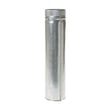
Installation guide
 Owner’s manual
 Error Codes


What is the most common problem with a GE dryer?
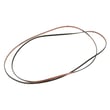
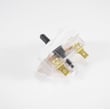
On a GE electric dryer like model GTX22EASK0WW, the most common complaint we see is no heat (the drum tumbles but clothes stay wet). The top causes are a tripped breaker or blown fuse on one leg of the 240V supply, or a failed heating component.
Quick checks first (fastest fixes)
- Confirm the dryer is fully plugged in and the outlet is a 240V dryer receptacle.
- Reset both dryer breakers (most electric dryers use 2 breakers) or replace both fuses.
- Clean the lint screen and make sure airflow is strong at the outside vent hood.
- Verify the vent is not plastic and is exhausted outdoors (restricted venting can trigger overheating safeties).
- Review the operating and troubleshooting section in the GTX22EASK0WW owner’s manual.
Most common “no heat” causes and what they look like
| Symptom | Most likely cause | What to do next |
|---|---|---|
| Tumbles, no heat | One breaker tripped or one fuse blown | Reset both breakers; test outlet voltage if needed |
| No heat, cycles seem normal | Heating element open | Replace the dryer heating element WE11M10001 |
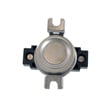
| Heats briefly then stops | High-limit or safety thermostat opening | Check venting; replace thermostat if it tests open |
| Long dry times, hot cabinet | Vent restriction or lint buildup | Clean vent path and lint chute; confirm proper ducting |
Why it matters
A dryer that tumbles without heat often points to power supply issues (one leg out) or a failed heater circuit. Fixing airflow problems also prevents repeated overheating that can trip thermostats and increase dry times.
Helpful related DIY content
If your GE dryer is showing a code or beeping, use GE cleanspeak dryer error codes to match the symptom to the right checks.
Last updated: February 2026
What is the average life of a GE dryer?
A GE electric dryer like model GTX22EASK0WW typically lasts about 10 years with normal household use. Regular lint and vent maintenance, avoiding overheating, and fixing wear parts early (belt, glides, thermostats) are the biggest factors that keep a dryer running longer.
What affects dryer lifespan the most
- Airflow and venting: crushed or kinked ducting makes the heater run hotter and longer.
- Lint buildup: lint in the lint screen housing, blower area, or vent reduces airflow.
- Overheating protection trips: repeated high-heat shutdowns stress thermostats and the heater.
- Wear parts: drum belt, idler pulley, and drum glides wear gradually and can fail suddenly.
- Load habits: frequent overloading strains the drive motor and drum support.
Maintenance checklist (best return for the effort)
- Clean the lint screen every load; replace a torn or warped screen such as the GE dryer lint screen WE03X23881.
- Inspect the transition duct behind the dryer; rigid metal is preferred and flexible metal should be kept short and unkinked (see the installation guide).
- Vacuum lint from the lint screen housing and around the blower inlet periodically.
- If you hear squealing or thumping, plan on checking the belt, idler, and glides before they damage the drum.
Common “end-of-life” symptoms and what they usually mean
| Symptom | Most common cause | Typical fix |
|---|---|---|
| Runs but no heat | Heater or thermostat issue | Test/replace heater or thermostats |
| Long dry times | Restricted venting or lint blockage | Clean venting and lint path |
| Squealing, scraping | Worn glides, idler, or belt | Replace wear parts |
| Won’t start | Door switch, start switch, timer | Diagnose switches/timer |
Why it matters
A dryer that cannot exhaust properly runs hotter and longer, which shortens the life of the heating system and safety thermostats. Following the venting guidance in the installation instructions and keeping airflow strong is the simplest way to protect the dryer’s core components.
Last updated: February 2026
What does GTX22EASK0WW stand for?
GTX22EASK0WW is the GE model number that identifies your specific electric dryer. It is the code we use to match the correct parts, wiring, and installation requirements for that exact dryer version, so you get the right fit and function.
What the model number tells you (and what it does not)
The model number is primarily an identification key, not a “feature description.” It helps us match:
- The correct replacement parts (belt, heater, timer, door switch)
- The correct electrical and venting requirements for your exact build
- The right diagrams and repair procedures
- The right installation clearances and exhaust setup
- The correct cosmetic parts (panels, door assembly)
It typically does not translate into a simple phrase or acronym that spells out capacity or options.
Where to find the model number on the dryer
Use the model tag on the cabinet (commonly inside the door opening or on the door frame area). For the most accurate parts match, copy it exactly, including all letters and numbers.
| What to record | Example for this dryer | Why it matters |
|---|---|---|
| Model number | GTX22EASK0WW | Ensures parts fit your exact GE dryer |
| Brand | GE | Narrows parts and documentation |
| Product type | Electric dryer | Confirms heating and wiring style |
Why it matters when ordering parts
Even small model-number differences can change the correct part. For example, if your dryer is not tumbling or squealing, the correct belt for this model is the dryer drum belt WE03X29897. For installation and venting requirements, use the GTX22EASK0WW installation guide.
Common part lookups tied to this model
- No tumble or drum not turning: belt, idler pulley, motor
- No heat: heating element, heater assembly, thermostats
- Will not start: door switch, push-to-start switch, timer
- Poor drying: lint screen, venting, blower wheel
Why it matters
Using the exact GTX22EASK0WW model number prevents wrong-part returns and helps keep your dryer safe and efficient, especially for venting and electrical-related repairs.
Last updated: February 2026
How much does it cost to replace a thermal fuse in a GE dryer?
For a GE GTX22EASK0WW electric dryer, replacing a thermal fuse typically costs $10 to $30 for the part; total cost usually lands around $120 to $250 when a technician is hired (labor, trip charge, and diagnosis). The exact total depends on access, vent condition, and what caused the fuse to open.
What you usually pay for
- Thermal fuse part: $10 to $30 (most common range)
- Service call/diagnostic: often $80 to $150
- Labor: commonly 0.5 to 1.0 hour
- Extra parts (sometimes needed): vent clamps, ducting, thermostats
Why the fuse blew (and why it matters)
A thermal fuse is a one-time safety device; it opens when the dryer overheats. If you replace the fuse without fixing the overheating cause, the new fuse can fail again quickly. On this model, overheating is commonly tied to restricted airflow, so we always check venting and lint buildup first.
Quick cost comparison
| Repair path | Typical out-of-pocket | Best for |
|---|---|---|
| DIY thermal fuse replacement | $10 to $30 | Confident DIYers with basic tools |
| Pro replacement (part + labor) | $120 to $250 | Fast, hands-off repair |
| Pro visit plus airflow/vent correction | $150 to $350 | Repeated overheating, long dry times |
What to check before (or right after) replacing it
Use the safety and service guidance in the GTX22EASK0WW installation guide and GTX22EASK0WW owner’s manual when accessing panels and confirming proper exhaust.
- Clean the lint screen and confirm strong airflow at the outside vent hood
- Inspect the vent duct for kinks, crushing, or long runs with many elbows
- Remove lint buildup in the lint chute and blower housing area
- Confirm the dryer is exhausted outdoors with UL-listed ducting (not plastic or foil)
- If heat is still abnormal, test related temperature controls (high-limit and safety thermostats)
Related parts that can be involved in overheating
If diagnostics point beyond the fuse, these model-matched parts are common suspects:
- Dryer high-limit thermostat WE04X26139
- Dryer safety thermostat WE04X25194
- Dryer lint screen WE03X23881
Last updated: February 2026