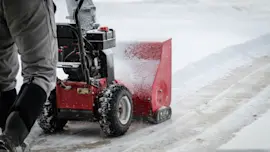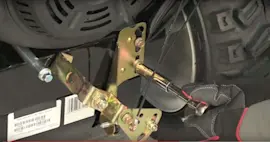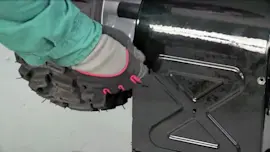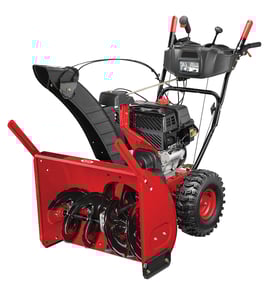



How to find snowblower model number?
For a Craftsman snowblower, the model number is typically on a model tag or stamped plate on the rear frame between the wheels, on the auger housing, or near the engine mounting area. Once you find it, match it exactly (for example, 536918400) when selecting parts.
Where to look on a Craftsman snowblower
Check these common locations first (wipe off snow, salt, and grime so the tag is readable):
- Rear frame between the wheels (most common on walk-behind units)
- Side or rear of the auger housing (near the front bucket)
- Near the engine mounting area on the frame
- Under or near the handlebar console area (behind the control panel)
- On the engine itself (engine model is separate from the snowblower model)
What number you actually need (snowblower vs. engine)
Your snowblower can have more than one ID label. Use this quick guide:
| Label you find | What it identifies | When to use it |
|---|---|---|
| Snowblower model number (example: 536918400) | The Craftsman 26" snow blower assembly | Ordering chassis, auger, drive, and control parts |
| Engine model/type/code | The engine only | Engine tune-up parts and engine-specific service |
| Serial number | Production run identifier | Helpful for confirming revisions, not usually required to shop parts |
Tips to avoid ordering the wrong part
We recommend these checks before you add parts to your cart:
- Copy the model number exactly, including all digits
- If the tag is damaged, look for a second tag on the frame or auger housing
- Compare the part description to your machine (drive system, pulley style, belt routing)
- Use the exploded parts diagrams for model 536918400 to confirm placement
Why it matters
Craftsman snowblower parts can look similar across model families, but belt lengths, pulley sizes, and hardware can differ. Using the exact model number helps you choose the correct replacement parts the first time, such as the idler pulley 1502120MA or a matching v-belt 49570MA.
Last updated: February 2026
What is the average life of a snow blower?
A typical gas snow blower like the Craftsman 536918400 (26" snow blower) lasts about 15 years with normal use and routine maintenance. Many units reach 10 to 20 years when wear items are replaced as needed and the machine is stored and serviced correctly.
What usually determines lifespan
- Maintenance frequency: oil changes, lubrication, and end-of-season care
- Storage conditions: dry storage reduces rust and cable corrosion
- Snow conditions: heavy, wet snow increases load on belts, pulleys, and bearings
- Usage habits: avoiding gravel ingestion and clearing in manageable passes
- Wear-part replacement: belts, idlers, and skids are normal long-term consumables
Common wear parts that extend service life
Replacing worn drive components early prevents bigger failures (slipping, overheating, loss of drive).
- Drive belt options for this model: v-belt 49570MA
- Auger/drive belt option for this model: v-belt 49581MA
- Belt tension component: idler pulley 1502120MA
- Scraper-height wear item: skid 582905MA
Quick maintenance schedule (typical)
| When | What to do | Why it matters |
|---|---|---|
| Every use | Clear packed snow, check for loose fasteners | Prevents jams and vibration damage |
| Mid-season | Inspect belts and idler action | Avoids sudden loss of drive/auger |
| End of season | Stabilize fuel, change oil, lubricate pivots | Prevents varnish, corrosion, and hard starts |
| As needed | Replace skids when uneven or thin | Protects housing and improves clearing |
Why it matters
A snow blower’s “life” is usually limited by wear parts and corrosion, not the engine alone. Keeping belts properly tensioned and the scraper height set with good skids reduces strain on the drivetrain and helps your Craftsman 536918400 stay reliable for many winters.
Last updated: February 2026
How to tell if a snowblower auger belt is bad?
On your Craftsman 536918400 26" snow blower, a bad auger belt shows up as weak or no auger/impeller drive under load. Common signs include the auger not turning (or stopping in heavy snow), belt slip with a rubbery burning smell, and a belt that looks cracked, glazed, frayed, or stretched.
Quick symptoms checklist
- Auger engages slowly, then slips or stops when snow gets deep
- You hear squealing when you squeeze the auger control
- You smell hot rubber after a short run
- The belt looks shiny (glazed), cracked, or has missing chunks
- The belt rides low in the pulley grooves or feels loose when engaged
- Excess vibration from the belt area
What to inspect (engine off)
- Remove the belt cover and look for obvious belt damage.
- Check pulley condition and alignment; a bent pulley or debris can shred belts.
- Spin the auger/impeller by hand (with the spark plug wire disconnected). It should turn smoothly; binding points to a seized bearing or packed ice that can burn a belt.
- Check belt tension when the auger lever is engaged; a stretched belt will not tighten enough to transfer power.
Common related parts for this model
| What you see | Likely cause | What to check next |
|---|---|---|
| Belt slips, squeals | Belt stretched or glazed | Belt condition and tension |
| Belt keeps coming off | Misaligned pulley or worn idler | Idler pulley movement and pulley alignment |
| Belt burns quickly | Auger/impeller binding | Ice buildup, bearings, shear pins |
Why it matters
A slipping auger belt reduces throwing distance and can overheat, leaving you without auger drive mid-storm. Catching belt wear early also helps protect pulleys and the idler system.
Parts that often solve auger belt problems
If your inspection points to belt slip or weak tension, these model-matched parts are commonly involved:
- V-belt 49581MA (one of the drive belts used on this model)
- V-belt 49570MA (another belt option used on this model)
- Idler pulley 1502120MA (helps maintain belt tension)
Last updated: February 2026
Is it cheaper to repair or replace a snowblower?
It’s cheaper to repair a Craftsman snowblower like model 536918400 when the problem is a normal wear item (belt, cable, pulley, skid shoes) or basic maintenance. Replacement makes more sense when the engine or auger/drive system has major damage and the repair total approaches about half the cost of a comparable new unit.
Quick decision checklist
- Repair if it needs a wear part and the machine otherwise runs and drives normally.
- Repair if the issue is isolated (one belt, one cable, one pulley) and the frame is solid.
- Replace if the engine has low compression, heavy smoking, or repeated no-start issues after service.
- Replace if the auger/impeller or drive system has multiple worn components at once.
- Replace if rust or structural damage affects the housing, handlebars, or mounting points.
Common “repair wins” for this model
These are typical, cost-effective fixes on a 26-inch snow blower:
- Replace a stretched or glazed belt: v-belt 49570MA or v-belt 49581MA
- Fix slipping drive/auger engagement caused by a worn pulley: idler pulley 1502120MA
- Restore control engagement with a damaged or stretched cable: cable 49551MA
- Improve scraping height and protect the housing with new shoes: skid 582905MA
Cost comparison (rule-of-thumb)
| Situation | Typical outcome | Best choice |
|---|---|---|
| Single wear part failure (belt, pulley, cable) | Predictable fix, good reliability | Repair |
| Multiple wear parts plus poor performance | Costs add up, more downtime | Depends |
| Engine failure or major drivetrain damage | High labor and parts, uncertain payoff | Replace |
Why it matters
A snowblower that starts easily and throws snow well is usually worth repairing when it only needs maintenance parts. Once you are chasing repeated breakdowns (especially engine-related), replacement reduces downtime and avoids stacking repair costs.
Last updated: February 2026
How to tell year of Craftsman snowblower by serial number?
For Craftsman snowblower model 536918400, the year is typically encoded in the serial number as either a date-style number string or a leading letter that represents the year. Decode the first characters on the model and serial tag, then cross-check with the engine date code.
Where to find the serial number
Look for the model and serial tag on the snowblower frame. Common locations:
- Frame rail near the engine
- Rear of the auger housing
- Handle support area
- Near or under the engine shroud
How to decode the most common formats
Use the first 5 to 6 characters as your starting point.
| Serial number pattern | What it indicates | How to use it |
|---|---|---|
| Mostly numbers that resemble a date (YYMMDD or MMDDYY) | Build date is embedded | Convert the first 6 digits into a calendar date to get the year |
| Starts with a letter followed by numbers | Letter represents the year | Use the first letter as the year code; remaining digits often include month/day |
| Tag missing or unreadable | Tag date not available | Use the engine date code as the best reference |
Confirm the year using the engine date code
Many snowblower engines include a stamped or printed code that contains the engine manufacture date. The snowblower build year typically matches the engine year or falls within the same season.
Why it matters
Knowing the production year helps you match the correct parts diagram and avoid ordering the wrong belt, pulley, or control cable.
Parts that commonly vary by production run
After you identify the year, compare your existing parts to the list for model 536918400:
- V-belt 49581MA (drive or auger belt depending on configuration)
- V-belt 49570MA (second belt position on some setups)
- Cable 49551MA (control cable)
- Idler pulley 1502120MA (belt tensioning pulley)
For help confirming the correct tag and model information, use how to find your appliance model number (and what it means for parts).
Last updated: February 2026