 Installation guide
 Owner’s manual
 Error Codes



Can I replace dishwasher parts myself?
Yes, for the Frigidaire GLD4355RFS0 dishwasher, we can replace many common parts ourselves if we shut off power and water first and follow the step-by-step procedures in the GLD4355RFS0 installation guide. Simple mechanical items (rollers, seals, springs) are usually the best DIY starting point.
Many repairs are straightforward, but anything involving live wiring, leak risk, or lifting the unit out of the cabinet takes more care.
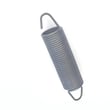
- Good DIY candidates: cleaning the filter area, replacing rack rollers, replacing door springs/cables, replacing a door seal
- More advanced DIY: replacing a drain hose, replacing a heating element, replacing a pump motor kit
- Often best for a technician: diagnosing control board issues, repeated breaker trips, persistent leaks you cannot pinpoint
Before you touch parts on a dishwasher, we recommend these basics:
- Turn off power at the breaker (not just the control panel)
- Shut off the water supply to the dishwasher
- Pull the unit out only if needed; protect the floor and water line
- Wear gloves; sheet metal edges can be sharp
- Let the heater cool before cleaning inside surfaces
The GLD4355RFS0 documentation includes procedures that are very DIY-friendly, such as removing and reinstalling the outer door panel and checking installation items.
| Task | What you do | Why it’s manageable |
|---|---|---|
| Remove outer door | Remove inner-door screws, lift and pull door assembly forward | Mostly screws and alignment |
| Verify install basics | Confirm drain hose connection, level, no kinks, no leaks | Visual checks |
| Check overfill protector | Make sure it moves freely; clean buildup | No disassembly required |
If your symptom matches, these are common replacements for this model:
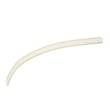
- Leaks at the bottom of the door: gasket 809006501
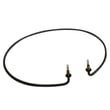
- Poor drying or no heat: heater 154825001
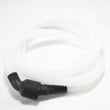
- Not draining or slow draining: hose 807117001
- Door drops open or won’t stay balanced: door spring and door cable (replace in pairs when possible)
DIY replacement can restore cleaning, draining, and door operation quickly, but doing the safety steps and using the correct procedure prevents water damage, stripped screws, and repeat failures.
Last updated: February 2026
What causes power failure on a dishwasher?
On the Frigidaire GLD4355RFS0 dishwasher, a “power failure” is usually caused by a tripped breaker or blown fuse, a loose or damaged power connection in the junction box, a problem with the door latch/door switch not proving the door is closed, or an electronic control issue. Use the wiring and safety steps in the GLD4355RFS0 installation guide to check power safely.
- Reset the kitchen circuit breaker (dishwashers typically need a dedicated 120V, 15 to 20 amp grounded circuit).
- If the unit is hardwired, turn power OFF and inspect the junction box connections for loose wire nuts or heat damage.
- Close the door firmly; a door that is not fully latched can stop the control from running a cycle.
- Look for signs of a leak or overfill event; some models stop operation when the float system is triggered.
- If the dishwasher is dead but the outlet works (for plug-in installs), check the cord and plug for damage.
| Symptom | Most common cause | What to do next |
|---|---|---|
| No lights, no response | Breaker/fuse, wiring connection | Verify breaker, then check junction box wiring (power OFF) |
| Lights on, won’t start | Door latch/switch, control not sensing closed door | Re-latch door; inspect latch alignment |
| Starts then shuts off | Loose connection, control fault, overheating | Check wiring tightness; inspect for burning smell |
| Intermittent power | Failing connection, moisture intrusion | Check junction box, door area, and harness routing |
Dishwashers draw enough current that a weak connection can overheat and fail. The installation instructions also require the unit to be properly grounded and all wiring connections enclosed in the junction box; that protects the control board and reduces nuisance shutdowns.
If basic power and door checks pass, these parts are commonly involved in “dead” or intermittent power complaints:
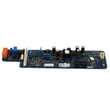
- Dishwasher electronic control board 5304514670 (controls cycle logic and power distribution)
- Door latch/switch components (not listed in the parts shown here, but commonly used to prove the door is closed)
- House wiring connections at the junction box (wire nuts, conduit connector)
Turn off electrical power at the fuse box or circuit breaker box before removing panels or touching wiring, as outlined in the GLD4355RFS0 installation guide.
Last updated: February 2026
What is the average lifespan of a Frigidaire dishwasher?
Most Frigidaire dishwashers, including the GLD4355RFS0, typically last 10 years with normal household use and basic maintenance. Heavy daily use, hard water, and skipped cleaning shorten life; consistent cleaning and correct detergent use extend it (see the GLD4355RFS0 owner's manual).
- Average: 10 years
- Common range: 7 to 12 years
- Shorter lifespan drivers: hard water scale, frequent heavy loads, chronic clogs, leaks left uncorrected
- Longer lifespan drivers: clean filters, correct loading, good water temperature, prompt leak repairs
| Usage pattern | Typical lifespan | What changes it most |
|---|---|---|
| Light (2 to 3 loads/week) | 10 to 12 years | Seals staying pliable, fewer heat cycles |
| Normal (4 to 7 loads/week) | ~10 years | Filter care, detergent, water quality |
| Heavy (1 to 2 loads/day) | 7 to 9 years | Pump wear, heater cycles, mineral buildup |
We recommend these habits for the GLD4355RFS0 to reduce wear on the pump, heater, and seals:
- Clean the filter and trap area regularly; food debris forces longer wash times and strains the motor.
- Keep spray arms clear; blocked jets reduce cleaning and can leave grit that damages seals.
- Use a quality dishwasher detergent and the right amount; too much can cause residue, too little reduces cleaning.
- Run hot water at the sink before starting so the dishwasher fills with hotter water (many cycles expect about 120°F incoming water).
- Fix small leaks quickly; a worn door seal can let moisture damage nearby components.
If performance drops, these are frequent wear items on this model:
- Door sealing issues: gasket 809006501
- Poor drying or no heat: heating element (often paired with wiring and control checks)
- Draining problems: drain hose, drain pump, or a clog in the sump area
A dishwasher usually fails gradually. Catching early signs (slow draining, weak cleaning, water at the door, no heat) helps you decide whether a simple part replacement makes sense before a bigger repair is needed.
Last updated: February 2026
What is the most common problem with Frigidaire dishwashers?
The most common Frigidaire dishwasher problems (including model GLD4355RFS0) are poor cleaning and poor draining caused by restricted water flow, blocked spray arms, or a dirty filter. Leaks at the door and “won’t start” symptoms are also common, often tied to the door closing/latching and basic cycle settings.
- Food left on dishes: filter/sump debris, spray arms blocked, low incoming water temperature
- Not draining: drain path restriction, kinked drain hose, drain pump issue
- Not drying: heat dry option off, rinse aid low, heater circuit problem
- Leaks: door seal wear, door alignment, overfilling protection issues
- Won’t start or stops mid-cycle: door not fully closed, delay start active, power interruption
Use these fast checks before replacing parts:
- Confirm the door closes firmly; the display may show a “close door” style prompt (often shown as CL) when the door is not shut.
- If you see PF after an outage, clear it by pressing START/CANCEL.
- Make sure incoming water is at least 120°F for best cleaning and sanitizing performance.
- Verify home water pressure is typically 20 to 120 psi.
- Check that dishes are not blocking the spray arms from rotating.
When symptoms point to a specific failure, these GLD4355RFS0 parts are frequent suspects:
| Symptom | Common part area | Example model part | What it affects |
|---|---|---|---|
| Leaking at the bottom of the door | Door sealing | Gasket 809006501 | Keeps wash water inside the tub |
| Not drying or water not heating | Heating circuit | Heater 154825001 | Heats water and supports drying |
| Not draining | Drain path | Hose 807117001 | Carries water to the disposer/drain |
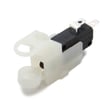
| Overfilling or odd fill behavior | Water level safety | Switch 154773201 | Helps stop filling when water rises |
Most “common problems” are flow and temperature related, not major failures. A clean filter, clear spray arms, correct loading, and proper hot water supply prevent repeat wash issues and reduce strain on the pump, heater, and control.
For cycle options, indicator codes (such as Er, uF, uo, CE), and operating guidance, follow the GLD4355RFS0 owner’s manual.
Last updated: February 2026
How can I force my Frigidaire dishwasher to drain?
To force a drain on your Frigidaire GLD4355RFS0 dishwasher, press START/CANCEL; the dishwasher runs an automatic drain for about 90 seconds. When the drain finishes, choose your next cycle and start it normally (details are in the GLD4355RFS0 owner's manual).
- Press START/CANCEL once.
- Close the door fully so the drain can run.
- Wait about 90 seconds for the drain to complete.
- Select the desired wash cycle.
- Press START/CANCEL again to begin the new cycle.
These checks fix most “won’t drain” complaints on this model.
- Check the sink/disposer connection; the disposer inlet knockout plug must be removed if the dishwasher drains into a disposer.
- Make sure the drain hose is not kinked, crushed, or routed with sharp bends.
- Confirm the drain hose is secured with a clamp and the dishwasher is not resting on the hose.
- Verify the drain hose routing; the high loop should be at least 32 inches above the floor to help prevent backflow.
- If you suspect a split, soft spot, or internal restriction, replace the hose with the correct hose 807117001.
| Item to check | What we look for | Why it matters |
|---|---|---|
| Drain hose routing | No kinks; not pinched behind the unit | Prevents restricted drain flow |
| High loop height | At least 32 inches above the floor | Helps stop sink water from flowing back |
| Disposer connection | Knockout plug removed (if applicable) | A blocked inlet stops draining |
Cancel-draining clears standing water so you can restart a cycle, prevent odors, and reduce the chance of dirty water backing up into the tub. Correct drain hose routing and a clear disposer inlet are the two most common “no drain” causes.
Last updated: February 2026
What are the commonly replaced parts in a dishwasher?
In a Frigidaire dishwasher like model GLD4355RFS0, the most commonly replaced parts are the ones that seal, heat, drain, and control the wash. Door seals and pump seals stop leaks, heaters improve drying and cleaning, and drain components clear water; racks and rollers also wear from daily use.
- Door sealing parts: door gasket and lower door seal (leaks at the front)
- Heating parts: heating element (poor drying, cool water, weak cleaning)
- Drain parts: drain hose and drain pump (standing water, slow drain)
- Wash system parts: filters, sump, pump motor (poor cleaning, noise)
- Safety and fill protection: float switch (overfilling or not filling)
- User-wear items: racks, rollers, door springs and cables (binding racks, door dropping)
- Electronics: control board (dead unit, erratic cycles)
| Symptom | Likely part category | Example part for this model |
|---|---|---|
| Water leaking at the bottom/front of the door | Door seal/gasket | Gasket 809006501 |
| Dishes not drying well | Heating | Heater 154825001 |
| Dishwasher not draining | Drain | Hose 807117001 |
| Overfills or acts like it will not fill correctly | Float/overfill protection | Switch 154773201 |
| Lower rack falls off track or rolls poorly | Rack support | Dishwasher dishrack roller, lower 5304532229 |
- Clean around the tub gasket area with a damp cloth during routine care.
- Make sure spray arms can rotate freely and are not blocked by tall items.
- Confirm incoming water is hot enough for good cleaning (most homes target about 120°F).
- Check that the drain hose routing has no kinks and the connection points do not leak.
- If the unit overfills, make sure the overfill protector moves freely and clean underneath it.
Replacing the right part the first time saves money and prevents secondary damage. For example, a small door-seal leak can mimic a tub problem, and a restricted drain path can look like a bad pump.
We recommend using the GLD4355RFS0 owner’s manual for care, cleaning, and symptom guidance, and the GLD4355RFS0 installation guide for safety steps and checks like hose routing, leveling, and leak inspection.
Last updated: February 2026





