Owner’s manual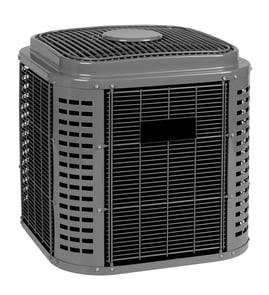




Is Carrier a good AC brand?
Yes. Carrier is a strong, well-established AC brand, and Carrier systems like the 38BRC060 condensing unit are known for dependable performance when they are correctly installed and maintained. In real-world use, airflow, filter condition, and routine service have as much impact on comfort and reliability as the brand name.
What “good” means for a central AC system
A “good” central air conditioner brand typically delivers consistent cooling, reasonable operating noise, and long service life when the system is matched to the home and maintained.
Key factors that matter most:
- Correct sizing and installation of the outdoor condensing unit and indoor equipment
- Clean, properly installed air filter (a clogged filter raises cost and shortens unit life)
- Unblocked supply and return registers for proper airflow
- Outdoor unit kept clear of debris and obstructions
- Periodic professional inspection of electrical connections and coil condition
Maintenance that protects performance (and why it matters)
Carrier’s own guidance emphasizes that restricted airflow and dirty filters reduce efficiency and shorten lifespan. It also calls out keeping the outdoor unit clear and maintaining at least 12 inches of clearance from tall grass, vines, and shrubs. Details and safety warnings are in the 38BRC060 owner's manual.
Recommended service checklist
Most seasonal or every-other-year service visits include:
- Inspecting and cleaning or replacing air filter(s)
- Inspecting and cleaning indoor and outdoor coils as needed
- Checking electrical wiring and connections
- Verifying secure physical connections of components
- Running an operational check to confirm proper working condition
Quick “brand vs. system” reality check
| What you’re judging | What usually drives the outcome | What you can control |
|---|---|---|
| Reliability | Installation quality, airflow, electrical condition | Filter changes, keeping the condenser clear, scheduled service |
| Efficiency | Clean coils, correct refrigerant charge, airflow | Filter, registers open, outdoor debris removal |
| Noise | Fan motor condition, mounting, airflow restrictions | Keep panels secure; replace worn fan components |
When a “good brand” still has problems
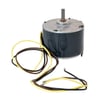
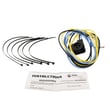
If your outdoor fan is noisy, not spinning, or the unit overheats and shuts down, the condenser fan system is a common place to start. For this model, a key replacement part is the central air conditioner condenser fan motor HC39GE237.
Last updated: February 2026
What are the most common issues with 38BRC060?
For the Carrier 38BRC060 condensing unit, the most common problems are outdoor fan issues, contactor failures, electrical connection problems, and airflow or coil cleanliness issues that reduce cooling. Many symptoms trace back to the condenser fan motor, propeller, or the contactor in the outdoor unit.
Common symptoms you may notice
- Outdoor unit will not start, but the thermostat is calling for cooling
- Outdoor fan is not spinning, spins slowly, or is noisy
- Unit starts and stops rapidly (short cycling)
- Warm air indoors, weak cooling, or long run times
- Buzzing or clicking at the outdoor unit
Likely causes (and what to check first)
Turn off power at the disconnect and breaker before inspecting the outdoor unit.
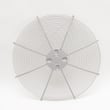
- Condenser fan problems: worn motor bearings, failed capacitor (if used), or a damaged blade; check the central air conditioner condenser fan motor HC39GE237 and propeller LA01RA027.
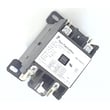
- Contactor problems: pitted or stuck contacts can prevent the compressor and fan from running; inspect the contacter HN52KD020 for burned terminals or a stuck plunger.
- Loose or damaged wiring: vibration and weather can loosen spade connectors; look for overheated terminals and brittle insulation.
- Dirty condenser coil or blocked airflow: debris around the unit and a dirty coil raise head pressure and reduce capacity.
- Refrigerant or compressor-related issues: icing, poor cooling, or loud compressor operation often requires a licensed HVAC technician.
Quick diagnosis guide
| Symptom | Most common area | Typical next step |
|---|---|---|
| Fan not spinning | Fan motor or propeller | Verify blade spins freely; inspect motor wiring |
| Loud grinding/squeal | Fan motor bearings | Replace fan motor |
| Clicking/buzzing, no run | Contactor or power supply | Check contactor movement and line voltage |
| Short cycling | Electrical/control or airflow | Check contactor, coil cleanliness, indoor filter |
Why it matters
Catching a failing fan motor or contactor early helps prevent overheating, nuisance shutdowns, and compressor stress, which is the most expensive component in a central air conditioner.
Helpful model-specific reference
Use the wiring diagram, parts breakdown, and electrical specs in the 38BRC060 owner's manual to match terminals and confirm the correct replacement part for your exact configuration.
Last updated: March 2026
What tonnage is 38BRC060?
Carrier model 38BRC060 is a 5-ton central air conditioner (condensing unit). In Carrier model numbers, “060” typically indicates about 60,000 BTU/hr of cooling capacity; since 1 ton = 12,000 BTU/hr, that equals 5 tons. For model-specific ratings, confirm in the owner's manual.
Quick conversion (BTU to tons)
- Find the capacity code in the model number (here, 060).
- Convert to BTU/hr (typically 60,000 BTU/hr).
- Divide by 12,000 to get nominal tons.
- Use nominal tons for sizing discussions; use nameplate data for exact performance.
| Model code | Nominal BTU/hr | Nominal tons |
|---|---|---|
| 060 | 60,000 | 5.0 |
Why tonnage matters for your system
Correct tonnage helps your system cool and dehumidify properly and protects major components like the compressor and condenser fan motor.
Common symptoms of a mismatched size include:
- Short cycling (turns on and off too often)
- Poor humidity control
- Uneven temperatures across rooms
- Higher energy use
- Extra wear on electrical parts (contactor, capacitors) and motors
Related parts you may replace during service
If you are servicing airflow or outdoor-unit operation on a 5-ton condenser, these parts are commonly involved:
When to use the manual vs. the model code
| Use this | Best for |
|---|---|
| Model code (060) | Quick identification of nominal tonnage |
| Owner's manual and unit nameplate | Exact electrical and performance specifications |
Last updated: February 2026