Owner’s manual
 Error Codes



Is WA45T3400AW high efficiency?
Yes. The Samsung WA45T3400AW is designed to use high efficiency (HE) detergent and is built to reduce water use compared to older, traditional top-load washers; that is the practical indicator of a high-efficiency washer for everyday use. See the detergent and operating guidance in the WA45T3400AW user manual.
How to tell you are using it as a high-efficiency washer
- Use HE detergent only; standard detergent can cause oversudsing and poor spinning.
- Measure detergent carefully; more soap does not mean cleaner clothes.
- Wash full, balanced loads when possible to save water and energy.
- Choose the right cycle and water level for the load.
- Use a higher spin speed when available to remove more water from clothes.
Quick checklist: HE washer vs non-HE behavior
| Item | High-efficiency behavior | What you might notice |
|---|---|---|
| Detergent | Uses HE detergent | Fewer suds than older washers |
| Water use | Uses less water overall | Clothes may not look fully submerged |
| Spin | Higher-speed extraction | Shorter dry times |
| Load size | Best with full, balanced loads | Small loads can go out of balance |
Why it matters
Using HE detergent and correct dosing helps the WA45T3400AW rinse and spin properly. Oversudsing can leave clothes wetter at the end of the cycle and can contribute to performance issues like poor draining or unbalanced spinning.
If clothes are still wet at the end of the cycle
- Switch to HE detergent (if you are not already).
- Reduce detergent amount.
- Avoid washing 1 to 2 items by themselves; add a few similar items to balance the load.
- Select a higher spin option when the cycle allows it.
Last updated: February 2026
Is the Samsung 4.5 front load washer any good?
Samsung WA45T3400AW is a 4.5 cu. ft. top load washer (not a front load model); it’s a good choice when you want large capacity, simple cycle selection, and solid everyday cleaning. For the best results, follow the cycle, loading, and detergent guidance in the WA45T3400AW owner’s manual.
Quick take: strengths and tradeoffs
This Samsung top load platform performs best when it’s level, loads are balanced, and detergent is measured correctly.
- Large capacity for family-size loads
- Straightforward cycle options for common fabric types
- Automatic control adjusts key wash settings based on the cycle
- Good results on stains when you match cycle to soil level
- Most “shaking” complaints trace to leveling or load balance
What “good” looks like on WA45T3400AW
Use the cycle selector to match the load; the manual lists cycles such as Normal, Heavy Duty, Deep Wash, Bedding/Waterproof, Quick Wash, Delicates, Rinse+Spin, and Spin Only.
| If you want… | Do this | Why it helps |
|---|---|---|
| Better stain removal | Choose Heavy Duty; pretreat | Longer/aggressive wash action |
| Less vibration | Level the washer; balance loads | Reduces out-of-balance spin |
| Drier loads | Use the right cycle; redistribute items | Improves final spin performance |
Common issues and the first fix to try
Most performance problems are setup or maintenance related.
- Vibration or walking: confirm all leveling legs are firmly on the floor; tighten lock nuts
- Clothes too wet: run Rinse+Spin; reload evenly (mix large and small items)
- Odors: run periodic cleansing cycles; leave lid open to dry between loads
- Slow or no drain: check for kinks or clogs in the drain hose; clear the pump coin trap
If draining is consistently weak, a failed pump is a common cause; the Samsung washing machine drain pump assembly DC97-19289F is the part that moves water out of the tub.
Why it matters
This washer can seem “not good” when it’s actually protecting itself from an unbalanced load or restricted drain. Correct leveling, proper loading, and routine cleaning improve cleaning, spin results, and long-term reliability.
Last updated: February 2026
What is the life expectancy of a Samsung top load washer?
A Samsung top-load washer typically lasts 10 to 15 years. For the Samsung WA45T3400AW, reaching the upper end of that range comes down to correct detergent use, avoiding chronic overloading, and fixing drain, fill, or vibration problems early using the WA45T3400AW owner's manual.
What most affects washer lifespan
- Load habits: Overfilling strains the drive system and suspension.
- Detergent use: Use the right type and amount; excess suds can cause poor rinsing and extra wear.
- Water quality and pressure: This model family is designed for 20 to 116 psi supply pressure.
- Drain performance: Slow draining increases cycle stress and can lead to repeated pump strain.
- Vibration control: Keeping the cabinet level reduces wear on suspension and bearings.
Quick care checklist (best ROI)
- Wash full loads without packing the tub; load items loosely.
- Use the cycle that matches the load (Normal, Heavy Duty, Deep Wash, Bedding/Waterproof, etc.).
- Keep the washer level; replace a damaged foot such as the washer leveling leg DC61-01722B if it will not adjust or hold.
- Address draining issues promptly; a worn pump like the Samsung washing machine drain pump assembly DC97-19289F can shorten overall life if ignored.
- Run periodic cleaning and maintenance routines (especially if you notice odor or residue).
Common “end-of-life” symptoms and what they usually mean
| Symptom | Most common cause | Typical fix path |
|---|---|---|
| Won’t drain or drains slowly | Clog or failing pump | Check coin trap, hoses; replace pump if needed |
| Excessive shaking/banging | Worn suspension or out-of-level | Level washer; inspect suspension rods |
| Won’t start or stops mid-cycle | Lid lock or control issue | Check lid lock, wiring, UI/control |
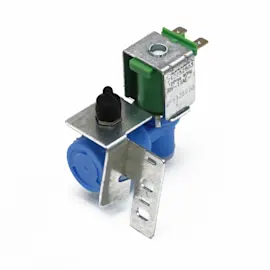
| Won’t fill correctly | Inlet valve or supply issue | Verify faucets/hoses; test inlet valve |
Why it matters
A washer that is maintained and repaired early usually avoids secondary damage (motor strain, basket wear, repeated out-of-balance events). That is what most often separates a 10-year washer from a 15-year washer.
Last updated: February 2026
What is the most common problem with Samsung washing machines?
For the Samsung WA45T3400AW top-load washer, the most common customer-reported problems are excessive vibration or out-of-balance spinning and drain or spin issues that leave clothes too wet. These are usually tied to load balance, leveling, or a restriction in the drain path.
What we see most often (and what to check first)
Start with the simplest causes before replacing parts:
- Unbalanced load: bulky items (blankets, towels) can shift and trigger shaking.
- Washer not level: adjust the leveling feet so the cabinet is stable on the floor.
- Drain restriction: coins, lint, or small items can block the coin trap, tub-to-pump hose, or drain hose.
- Lid lock problems: if the lid does not lock reliably, the washer may not spin as designed.
- Water fill or sensing issues: if the washer fills incorrectly, it can affect wash and spin performance.
For model-specific operating and troubleshooting steps, follow the WA45T3400AW user manual.
Common symptoms and likely causes
| Symptom | Most likely cause | What to do next |
|---|---|---|
| Shakes or bangs in spin | Load imbalance or leveling | Redistribute load; level the washer; run a spin again |
| Won’t drain or drains slowly | Clogged drain path or weak pump | Check hoses and coin trap; inspect pump |
| Clothes soaking wet at end | Drain issue or lid lock issue | Verify draining; confirm lid locks; retry cycle |
| Displays an information code | Sensing, motor, or drain related fault | Use Smart Care (if equipped) and follow the manual’s code guidance |
Parts that commonly relate to these problems
If checks point to a failed component, these parts are frequently involved on this model:
- Drain performance: Samsung washing machine drain pump assembly DC97-19289F
- Out-of-balance and shaking: Samsung washer suspension rod and spring assembly DC97-16350T
- Lid won’t lock or spin won’t start: washer lid lock assembly DC34-00025E
- Slow drain or leaks at drain path: washer drain hose DC97-18682E
Why it matters
Excessive vibration can damage internal components over time, and drain restrictions can leave clothes wet, cause odors, and increase cycle time. Addressing balance, leveling, and drain flow early prevents repeat failures.
Last updated: February 2026