Error Codes



What does a 304 code mean?
A 304 code most commonly means “Not Modified” (an HTTP status code): the server is telling your browser to use a previously saved (cached) version of a page instead of downloading it again. On a Thermador PRSG304S gas range, “304” is not a standard appliance error code.
- In a web browser’s developer tools (Network tab)
- In website logs or analytics tools
- When a page loads quickly because it was pulled from cache
- Refresh the page (hard refresh if available) to force a new download
- Clear cache/cookies for the site and try again
- Try a different browser or private/incognito window
- If a part list looks incomplete, search by model number PRSG304S again and re-open the parts list
Thermador ranges typically show faults as letter-number codes (for example, patterns like “F” codes) or as control/display messages, not “304.” If your range display is showing a code, start by confirming whether it’s:
| What you see | Usually means | Best next step |
|---|---|---|
| “304” in a browser/app | Web caching response | Refresh, clear cache |
| “304” on the range display | Not a common Thermador fault format | Check wiring, power reset, then diagnose by symptom |
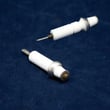
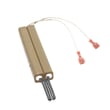
Treating a web 304 Not Modified like an appliance error can send you down the wrong path. Separating “website code” from “range fault code” helps you troubleshoot faster and order the right replacement parts, such as an ignition component like the Thermador igniter 00487242 if your symptom is no-heat or ignition trouble.
Last updated: February 2026
Does Thermador have an electric range?
Yes. Thermador makes electric ranges, but the Thermador PRSG304S model on this page is a gas range, not an electric range. If you are shopping for an electric Thermador range, match the exact model number before ordering parts.
Use these quick checks on the appliance and model tag:
- Gas range: has burner caps, grates, and a gas supply line connection
- Electric range: has radiant glass elements or coil elements and no gas line
- Model/serial tag often lists fuel type or electrical requirements
- If you see an igniter clicking at the cooktop, that points to gas burners
- If the oven uses a hot-surface igniter, it is typically a gas oven
Several listed parts are gas-specific. For example:
- Pressure regulator 00754658 controls incoming gas pressure to the range
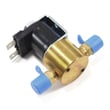
- Solenoid 00411253 is used in gas flow control systems on many ranges
- Jet holder 00415498 relates to burner orifice/jet mounting on gas burners
| Feature | Gas range (like PRSG304S) | Electric range |
|---|---|---|
| Cooktop heat source | Gas burners | Electric elements |
| Common fuel connection | Gas line | No gas line |
| Common key parts | Regulator, jets, igniters | Elements, infinite switches |
Electric and gas ranges use different ignition, heating, and safety components. Matching the correct Thermador model number prevents ordering the wrong parts and helps ensure proper fit and safe operation.
Last updated: February 2026
What are the most common stove parts to replace?
On the Thermador PRSG304S gas range, the most commonly replaced parts are ignition and burner-related components, plus oven door and gas-supply components that wear from heat, spills, and daily use. We see igniters, grates, and gas regulation parts replaced most often.
- Ignition parts: if a burner clicks but won’t light, lights slowly, or only lights with a match, the igniter circuit is a top suspect.
- Burner hardware: worn or warped burner pieces can cause uneven flames, poor simmer control, or hot spots.
- Grates: chipped enamel, wobbling, or broken feet can make cookware unstable.
- Gas regulation parts: pressure and valve-related parts can contribute to weak flames or inconsistent burner performance.
- Oven door parts: damaged glass or liners can affect heat retention and safe operation.
| Symptom | Commonly involved part type | Example part on this model page |
|---|---|---|
| Burner won’t ignite or keeps clicking | Igniter components | Thermador plug 00189324 |
| Oven won’t heat properly (gas bake/broil issues) | Oven igniter | Thermador igniter 00487242 |
| Flames seem weak or inconsistent | Gas pressure regulation | Thermador pressure regulator 00754658 |
| Cooktop surface support is damaged | Grates | Thermador grate kit 00413552 |
- Confirm the issue is limited to one burner or affects multiple burners.
- Clean and dry burner caps and around the igniter area; spills can block ignition.
- Make sure grates and burner pieces are seated flat and aligned.
- If you smell gas, stop and have the range checked before continuing.
- For electrical testing (igniters, switches, modules), use safe test practices and the right tools.
Replacing the correct part restores reliable ignition, stable flames, and safe cooking performance. On a gas range like the Thermador PRSG304S, ignition and gas-delivery parts are the most frequent causes of “won’t light” and “weak flame” complaints.
Last updated: February 2026
Why is my Thermador stove making a clicking sound?
On a Thermador PRSG304S gas range, a steady clicking sound almost always means the burner spark system is trying to ignite when it should not. The most common causes are moisture or food residue around the burner cap/igniter, a mis-seated cap, or a failing igniter or spark module.
- Turn the burner knob to OFF; confirm it is fully in the OFF position.
- Remove the grate and burner cap; dry everything thoroughly (including the igniter area).
- Reseat the burner cap so it sits flat and centered.
- Clean spills and debris from the burner base and around the igniter tip.
- If clicking happens after cleaning, try a different burner; note whether the clicking follows one burner or happens on all burners.
| What you notice | Most likely cause | What to do next |
|---|---|---|
| Clicking continues with all knobs OFF | Moisture, stuck switch, or ignition control issue | Dry/clean first; then inspect wiring and switches |
| Clicking only on one burner | Dirty/misaligned cap or a weak igniter on that burner | Clean/reseat; inspect igniter and mounting |
| Burner lights but keeps clicking | Flame not sensing properly due to wet/dirty parts or poor grounding | Dry/clean; check cap alignment and burner head seating |
| Clicking starts after a boil-over | Liquid in the igniter area | Dry thoroughly; allow time for evaporation |
If cleaning and drying do not stop the clicking, these model-related parts are common suspects:
- A weak or damaged oven igniter: Thermador igniter 00487242
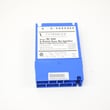
- A failing ignition control (spark) module: Thermador module 00753257
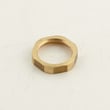
- An igniter mounting/retaining issue at the cooktop: Thermador ring 00189322
Continuous clicking can wear out ignition components and can also indicate an ignition system problem that prevents reliable burner lighting. Addressing moisture, alignment, and ignition parts early helps restore normal spark operation and consistent flame.
Last updated: February 2026
Why does my Thermador oven smell like gas?
A gas smell from your Thermador PRSG304S range means unburned gas is present, most often from delayed ignition, a burner that is not lighting cleanly, or a gas control component that is not sealing properly. Stop using the range until the odor is gone and the cause is corrected.
- Turn all surface burner and oven controls to OFF.
- Ventilate the kitchen (open windows, run the hood fan).
- Avoid flames and sparks (no matches, lighters, or switching breakers).
- If the smell is strong or continues with everything off, shut off the gas supply valve.
- Have the range checked before using it again.
| When you smell gas | Most common cause | What typically fixes it |
|---|---|---|
| Only during ignition, then it stops | Delayed ignition from dirty or misaligned burner parts | Clean and dry burner parts; reseat caps and heads |
| After the oven shuts off | Valve not closing fully or control issue | Diagnosis and repair of the gas valve/control system |
| Near the cooktop when not in use | Burner valve/manifold fitting leak | Leak test and repair of fittings or valve |
| With repeated clicking or weak lighting | Ignition component or wiring issue | Inspect igniter circuit, wiring, and ignition module |
- Remove and reinstall burner caps/heads so they sit flat and centered.
- Clean spills and grease around burner ports that can cause delayed ignition.
- Confirm flames are steady and mostly blue during normal operation.
- If the range was recently moved, make sure it is level and the gas line is not stressed.
These model-matched parts are commonly involved when diagnosing gas odor and ignition issues:
- Thermador pressure regulator 00754658 (helps maintain correct incoming gas pressure)
- Thermador module 00753257 (used for ignition/control functions on some configurations)
- Thermador igniter 00487242 (a weak igniter can contribute to delayed ignition)
Gas odor indicates fuel is not being fully burned or contained. Correcting the cause prevents ignition problems, improves heating performance, and keeps operation safe.
Last updated: February 2026