Owner’s manual


Where is the model number on a Craftsman rear tine tiller?
On the Craftsman rear-tine tiller model 917298560, the tiller model number is on a plate attached to the top of the transmission. For this model, the engine has a separate model number located on the blower housing near the spark plug; confirm both in the owner's manual.
Where to look on your tiller
Check these common spots in this order:
- Top of the transmission (main tiller model plate)
- Blower housing near the spark plug (engine model plate)
- Areas that stay relatively protected from dirt buildup, such as behind shields or near the frame rails
Tiller model number vs. engine model number
These are different identifiers and both can matter when ordering parts.
| What you need | Where it’s found | What it’s used for |
|---|---|---|
| Tiller model number (917298560) | Plate on top of the transmission | Finding chassis, tine, belt, and drive parts |
| Engine model number | Blower housing near the spark plug | Finding engine-specific parts (ignition, carburetion, gaskets) |
Tips for reading the plate
If the plate is dirty or hard to read:
- Brush off loose soil and debris first
- Wipe with a damp rag, then dry
- Use a flashlight at an angle to make stamped characters stand out
- Write the number down exactly as shown (including punctuation if present)
Why it matters
Using the correct model number helps us match the right Craftsman tiller parts list for your exact transmission, tine width, and drive setup. Using the engine model number helps match the correct engine parts when the tiller frame model alone is not enough.
Last updated: February 2026
What are the common problems with lawn tillers?
Common lawn tiller problems include hard starting, rough running, poor tilling performance, and wheels or tines not driving correctly. On the Craftsman 917298560 rear-tine tiller, many issues trace back to fuel/ignition maintenance, incorrect control settings (choke, throttle, shift lever), or worn drive components.
Most common symptoms and what they usually mean
- Engine will not start or is hard to start: stale fuel, dirty spark plug, choke not set for a cold start
- Engine runs rough or misfires: fouled spark plug, contaminated fuel, restricted airflow
- Tines do not turn or tilling is weak: shift lever not in till position, drive belt slipping, clutch cable out of adjustment
- Wheels move but tines do not (or vice versa): belt, cable, chain, or internal drive wear
- Excessive bouncing or poor soil breakup: soil too dry or too wet, trying to till too deep too fast
Quick checks we recommend first (fast, no parts)
- Verify the shift lever is in the correct position for the job (neutral vs till).
- For cold starts, use the choke control correctly; do not use choke to stop the engine.
- Set the throttle appropriately; start slow until you are accustomed to handling the tiller.
- Confirm you are not overloading the machine by trying to till too deep at too fast a rate.
- Match technique to soil conditions; hard soil should be moistened, and extremely wet soil will clump.
Common wear parts that cause drive and tilling complaints
If controls are set correctly and the symptom persists, these model-matched parts are frequent fixes:
| Symptom | Likely area | Example part for 917298560 |
|---|---|---|
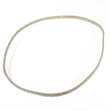
| Tines/wheels slip or stop under load | Belt drive | Husqvarna rear-tine tiller drive belt 591372401 |
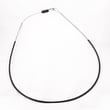
| Drive engagement feels loose or inconsistent | Cable/linkage | Tiller clutch cable 532110675 |
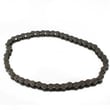
| Grinding, binding, or intermittent drive | Chain drive | Tiller chain, #25-50 532102134 |
Why it matters
A rear-tine tiller can lurch forward if the tines catch hard ground, and poor traction or incorrect depth can make the machine difficult to control. Keeping the drive system adjusted and using proper tilling depth (often about 4 to 6 inches) improves performance and reduces wear.
For control locations, operating steps, and safety rules specific to this model, use the 917298560 owner's manual.
Last updated: February 2026
Are rear tine tillers better?
Yes; rear-tine tillers are the better choice when you need stronger control and more consistent digging in hard, compacted, rocky, or root-filled soil. For your Craftsman model 917298560, the best way to match “better” to your yard is to compare the work you need to do with the operating guidance in the owner's manual.
When a rear-tine tiller is the better choice
Rear-tine designs place the tines behind the wheels, which improves stability and helps the machine track straighter in difficult ground.
- Breaking new ground for a first-time garden
- Working heavy clay or compacted soil
- Tilling larger plots where straight passes matter
- Mixing in compost or amendments more deeply
- Handling uneven terrain with less bouncing
When a front-tine tiller can be the better choice
Front-tine models are often easier to maneuver for light-duty work and tight spaces.
- Small beds and narrow rows
- Shallow cultivation and weed control
- Frequent touch-up tilling in already-loose soil
- Areas with lots of turns or obstacles
Quick comparison
| Feature | Rear-tine tiller | Front-tine tiller |
|---|---|---|
| Best use | New ground, tough soil, larger areas | Light cultivation, smaller areas |
| Stability | Higher | Moderate |
| Maneuverability | Moderate | Higher |
| Effort in hard soil | Lower | Higher |
Why it matters
Choosing the right tine layout affects both results and safety. Powered tines can grab in hard ground and cause sudden movement; following the control and operating practices in the owner's manual helps you work more safely and get cleaner, more even tilling.
Last updated: February 2026
How often should I change the oil in my tiller?
For Craftsman rear-tine tiller model 917298560, change the engine oil after the first 2 hours of operation, then every 25 hours of use (or at least once a year if you do not reach 25 hours). Also check the oil level before starting and after every 5 hours of continuous use; see the 917298560 owner's manual.
Oil-change interval for model 917298560
- Break-in oil change: after 2 hours
- Routine oil changes: every 25 hours
- Minimum interval: once per year
- Oil level checks: before each start
- Long run time: recheck after 5 hours of continuous use
Quick oil-change steps (safe and effective)
- Let the engine warm briefly so oil drains better; avoid contact with hot muffler and cylinder fins.
- Park the tiller on a level surface.
- Place a suitable container under the oil drain plug.
- Remove the drain plug and tip the tiller forward to drain completely.
- Reinstall and tighten the drain plug.
- Refill with the oil type and viscosity listed for your engine and temperature range.
Oil type and service notes
The manual specifies using a high-quality detergent oil meeting API service classification SG and selecting viscosity by temperature.
| Operating condition | Maintenance action | Benefit |
|---|---|---|
| Heavy load or high temperatures | Change oil more often | Reduces heat-related oil breakdown |
| Dirty or dusty soil | Service more often | Helps limit abrasive wear |
| Seasonal storage | Fresh oil before storage | Reduces sludge and corrosion |
Why it matters
A rear-tine tiller engine runs under steady load in soil and dust. Fresh oil maintains lubrication, controls heat, and helps prevent accelerated internal wear.
Last updated: February 2026