Error Codes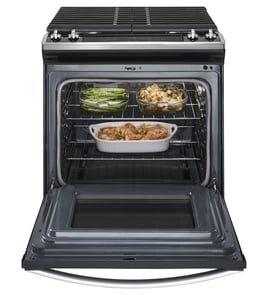





What are common problems with Viking ranges?
Common problems we see on Viking ranges like model VGSC30 include surface burner ignition that clicks but will not light, weak or uneven burner flames, oven temperature control issues, and oven door problems. Many of these symptoms trace back to ignition components, gas regulation, or normal wear parts.
Most common symptoms (and what they usually point to)
- Burner clicks but won’t light: dirty burner ports, moisture after cleaning, failed igniter switch, or a weak spark module
- One burner won’t ignite but others do: clogged burner head/cap, bad switch for that valve, or a cracked igniter
- All burners keep clicking: stuck igniter switch, wet switch area, or spark module issue
- Oven won’t heat or heats inconsistently: temperature knob/thermostat issues, gas valve problems, or burner/ignition faults
- Oven door won’t close tightly: worn hinge causing heat loss and uneven baking
Quick checks you can do safely
- Turn the burner off; let the cooktop dry fully if it was recently cleaned.
- Remove and clean the burner cap; confirm it sits flat (misalignment causes poor ignition).
- Look for a strong, blue spark at the electrode while turning the knob.
- If clicking continues with all knobs off, suspect an ignition switch circuit.
- If you smell gas, stop and ventilate; do not keep trying to light.
Parts that commonly solve these issues on VGSC30
| Symptom | Common part involved | Example part for this model |
|---|---|---|
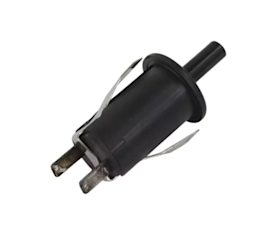
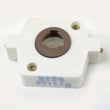
| Constant clicking or no spark on a burner | Igniter switch / ignition circuit | Range surface burner igniter switch PA020011 |
| Multiple burners have weak/no spark | Spark module | Spark module PB050012 |
| Oven temperature hard to set or knob damaged | Temperature knob | Range oven temperature knob PB010099 |
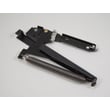
| Oven door won’t seal or “drops” | Door hinge | Range oven door hinge PC020007 |
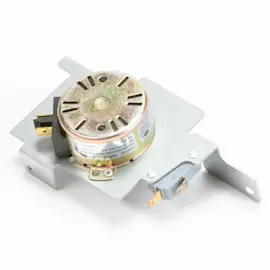
| Oven not heating (gas bake) | Oven gas valve | Oven gas valve PB010084 |
Why it matters
Ignition and gas-delivery problems can waste fuel, cause poor cooking results, and create unsafe operating conditions. Fixing the root cause (switch, spark module, regulator, or valve) restores reliable lighting and stable heat.
Last updated: January 2026
What is the life expectancy of a Viking oven?
A Viking oven in a VGSC30 30-inch gas range typically lasts 15 to 20 years with normal use and consistent care. Heavy daily cooking, skipped cleaning, and unresolved ignition or gas issues can shorten that lifespan to around 10 to 12 years.
Typical lifespan at a glance
| Use and maintenance level | Typical life expectancy | What usually fails first |
|---|---|---|
| Light to moderate use, cleaned regularly | 15 to 20 years | Ignition parts, knobs, door hardware |
| Heavy use, occasional cleaning | 12 to 15 years | Igniters/spark system, valves, hinges |
| Heavy use, poor maintenance | 10 to 12 years | Burner ignition, gas valve, heat-related wear |
What extends the life of a VGSC30 gas range
- Keep burner ports and caps clean so flames stay even and blue.
- Address constant clicking or weak ignition early (it stresses the spark system).
- Avoid slamming the oven door; hinge wear is a common long-term failure.
- Wipe spills promptly to reduce corrosion and heat damage around the oven cavity.
- Verify the range is secured with the anti-tip bracket after moving or leveling.
Parts that commonly wear over time (and why)
These are normal wear items on many gas ranges; replacing them can keep the range reliable longer:
- Range oven door hinge PC020007: Worn hinges cause sagging doors, heat loss, and poor baking.
- Range surface burner igniter switch PA020011: A stuck or failing switch can cause nonstop sparking.
- Oven gas valve PB010084: A weak or failing valve can lead to inconsistent oven heat or ignition problems.
Why it matters
A gas range that is heating unevenly, sparking constantly, or leaking heat through a misaligned door uses more fuel, cooks less predictably, and puts extra strain on components like the spark module, igniter switches, and valves.
Last updated: January 2026
How do I find the model number on my VGSC30?
The model number for your Viking range is on the appliance’s rating label; on VGSC30 ranges it’s typically found around the oven door frame area or on a side frame visible when you open the door. Use the exact model number to match parts like the range anti-tip bracket A2001259.
Where to look on a Viking VGSC30 range
Check these common label locations first:
- Open the oven door and look along the left or right door frame
- Check the front frame lip just behind the storage/warming drawer area (if equipped)
- Look on the lower side panel near the front edge (visible with the door open)
- Check behind the control panel area if the front locations are missing or painted over
What the label looks like and what to copy
The rating label usually includes several identifiers. Copy them exactly (including dashes and letters).
- Model number (example: VGSC30)
- Serial number
- Gas type (natural gas or LP) and pressure/regulator info
- Electrical rating (volts/amps)
Quick checklist to avoid ordering the wrong part
Small differences in a Viking range can change which igniter, knob, or valve fits.
- Match the full model number exactly
- Compare the part name and ID, not just the description
- Use diagrams to confirm location and quantity before ordering
- If your label is damaged, use other identifiers (serial number, fuel type) to narrow the match
Common IDs on the label (what they mean)
| Label item | Why it matters for parts |
|---|---|
| Model number | Ensures correct fit across versions |
| Serial number | Helps identify production variation |
| Gas type (NG/LP) | Affects regulator and burner setup |
| Electrical rating | Helps match ignition and control components |
Why it matters
Using the exact VGSC30 model identification prevents mismatches on safety and fit-critical items like the anti-tip bracket, burner components, and oven door hardware.
Last updated: March 2026