Owner’s manual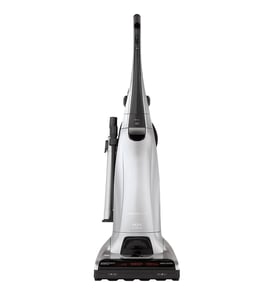




What model is my Kenmore vacuum?
Your Kenmore vacuum’s model is printed on the Model and Serial Number Plate on the machine. For Kenmore Elite model 11631150312, use that plate (or your paperwork) to record the full model and serial numbers exactly as shown, then match parts using the 11631150312 use & care guide.
Where to find the model number
Check these common places first:
- The Model and Serial Number Plate on the vacuum body
- Your Use & Care Guide or Repair Parts List that came in the carton
- The original box or packaging label
- Any purchase receipt paperwork where the model was recorded
How to write the model number correctly
Model numbers must be copied exactly to avoid ordering the wrong Kenmore parts.
- Write every digit in order (no spaces)
- Include all numbers (do not shorten the model)
- Record the serial number too (it helps identify production details)
- Take a clear photo of the plate for reference
| What to record | Example format | Why we need it |
|---|---|---|
| Model number | 11631150312 | Ensures correct fit for hoses, filters, and other parts |
| Serial number | Letters and numbers | Helps confirm the exact production run |
Why it matters
Kenmore vacuums can look similar across series, but parts like a vacuum hose, exhaust filter, or dust compartment can vary by model. Using the exact model number helps you avoid returns and restores proper suction and airflow faster.
Parts you may match after confirming the model
Once you confirm the model number on the plate, these are common replacement items for this model:
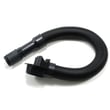
- Vacuum hose KC84PDWFZV07 (clogs, cracks, air leaks)
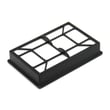
- Vacuum exhaust filter KC38KDWCZV07 (reduced airflow, odors)
Last updated: January 2026
What is the suction power of the Kenmore Elite vacuum?
The Kenmore Elite upright vacuum model 11631150312 does not list a specific suction-power number (watts, kPa, or CFM) in the provided Use & Care Guide excerpts; in real-world use, suction strength is most affected by airflow restrictions, filter condition, and hose or dust-compartment leaks. See the 11631150312 use & care guide for operation and troubleshooting details.
What we recommend using to judge suction on this model
Instead of relying on a single “suction power” spec, we use these practical checks:
- Confirm strong suction at the hose end and at the floor nozzle
- Check for clogs in the hose, wand, and air path
- Inspect and clean or replace filters on schedule
- Verify the dust compartment is seated and sealed
- Look for cracks, splits, or loose connections in the hose
Quick suction-loss checklist (most common causes)
If suction feels weak, these steps usually restore performance:
- Unplug the vacuum and clear any blockage in the hose and attachments
- Empty the dust compartment and make sure it latches fully
- Replace a restricted exhaust filter with the vacuum exhaust filter KC38KDWCZV07
- Inspect the vacuum hose KC84PDWFZV07 for splits or pinholes that leak air
- If the vacuum shut off during use, let it cool and reset the thermal protector (the manual describes this motor protection feature)
What “suction power” numbers usually mean (so you can compare)
Manufacturers may publish different metrics; they are not always comparable across brands.
| Spec type | Typical unit | What it represents | Best for comparing |
|---|---|---|---|
| Input power | Watts (W) | Electrical draw, not suction | Rarely useful alone |
| Vacuum pressure | kPa or inches of water lift | Sealed suction strength | Hose-end pickup |
| Airflow | CFM | Volume of air moved | Carpet and debris transport |
Why it matters
A vacuum can have a strong motor but still clean poorly if airflow is restricted. Keeping the hose, dust compartment, and filters in good condition is the most reliable way to maintain strong suction on the Kenmore 11631150312.
Last updated: January 2026
Are upright vacuums heavy?
Yes. Upright vacuums are typically heavier and bulkier than stick vacuums; most full-size uprights weigh about 12 to 18 lb. Your Kenmore Elite upright vacuum model 11631150312 is built for strong floor and carpet cleaning, so it will feel heavier than compact cordless models (check the exact specs in the 11631150312 owner’s manual).
What “heavy” means in real use
Weight matters most when you carry the vacuum, lift it onto stairs, or maneuver in tight rooms. For everyday cleaning, features like the handle release and hose tools often matter as much as the number on a scale.
- Carrying upstairs is where you notice weight most
- Tight spaces can feel harder with a wider upright base
- Using attachments can reduce pushing effort, but you still move the body
- A full bag or dust compartment can add noticeable heft
Tips to make a heavier upright easier to handle
These habits help reduce strain and improve control.
- Use the handle release pedal to lower the handle for better leverage
- Use FLOOR mode for hard surfaces and attachments; it runs suction without the agitator
- Keep airflow strong by emptying/servicing the bag system when performance drops
- Avoid overextending the hose; it can tip the vacuum if stretched too far
- Store it upright with the cord wrapped loosely to prevent cord damage
Quick comparison: upright vs stick vacuum
| Feature | Upright vacuum (like 11631150312) | Stick vacuum |
|---|---|---|
| Typical weight | 12 to 18 lb | 5 to 8 lb |
| Best for | Whole-home carpet and large areas | Quick pickups, small spaces |
| Maneuverability | Moderate | High |
| Deep-cleaning power | Typically higher | Typically lower |
Why it matters
A heavier upright usually means a larger motor system, wider cleaning path, and more robust agitation for carpet. The tradeoff is that stairs, cluttered rooms, and frequent carrying can feel more demanding.
Last updated: January 2026
Why is my Kenmore vacuum not suctioning?
Loss of suction on the Kenmore Elite upright vacuum model 11631150312 is almost always caused by restricted airflow: a full bag or dust area, a clogged filter, or a blockage in the hose or clean-out port. Start with the bag and filters, then check for clogs.
Quick checks (in order)
- Unplug the vacuum before any maintenance.
- Check whether the dust bag is full and replace it if needed.
- Inspect and clean or replace the exhaust (HEPA) filter.
- Look for a clog in the clean-out port and extension hose.
- Confirm the hose handle is seated correctly and not cracked.
How to clear a clog in the hose
The Use & Care Guide for this model recommends checking the bag and filters first, then the clean-out port and extension hose if suction is still low.
- Remove the hose handle from the hose holder by twisting and pulling straight up.
- With the hose removed, inspect for packed lint, hair, or debris.
- Clear the blockage gently with a broom handle or flexible cleaning brush (avoid puncturing the hose).
For the exact steps and safety notes, follow the 11631150312 owner's manual.
Parts that commonly restore suction
If cleaning does not restore airflow, these model-matched parts are common fixes:
| Symptom | Most likely area | Part to consider |
|---|---|---|
| Weak suction everywhere | Exhaust filtration restricted | Vacuum exhaust filter KC38KDWCZV07 |
| Good suction at base, weak at wand | Hose or wand airflow restriction | Vacuum hose KC84PDWFZV07 |
| Dust leaking or poor pickup | Dust area not sealing or damaged | Dust compartment KC66KDWFZ000 |
Why it matters
Your vacuum’s motor depends on steady airflow for cleaning performance and cooling. A clogged filter or blocked hose reduces suction and can make the vacuum run hotter than normal, so restoring airflow protects performance and helps prevent repeat issues.
Last updated: January 2026