Owner’s manual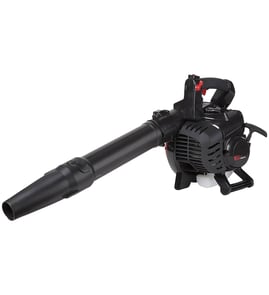






Are gas leaf blowers being phased out?
Yes. Gas leaf blowers like the Craftsman 358794762 are being phased out in some areas due to noise and air-quality rules, but it is not a nationwide phase-out. What you can use depends on your city, county, and state rules; check your local ordinance and keep your unit maintained per the owner's manual.
What “phased out” usually means
Most phase-outs happen locally and typically fall into one of these categories:
- Sales restrictions (limits on selling new gas blowers)
- Use restrictions (limits on when or where gas blowers can be operated)
- Commercial-only rules (different rules for landscapers vs. homeowners)
- Noise limits (decibel caps or muffler requirements)
- Seasonal or time-of-day limits (quiet hours)
How to stay compliant and keep your blower running well
Even where gas blowers are still allowed, good maintenance reduces smoke, noise, and starting issues.
- Use fresh, properly mixed fuel (do not store mixed fuel for long periods)
- Clean or replace the air filter regularly; see leaf blower air filter 545146501
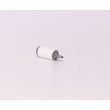
- Inspect fuel lines for cracking or softness; replace as needed (small and large sizes differ)
- Keep the muffler and spark arrestor area clean (carbon buildup can reduce power)
- Avoid vacuuming wet debris; it clogs and overloads the impeller and tubes
Common “phase-out” timelines (what to look for)
Rules vary, but these are the most common patterns we see:
| Rule type | What changes | What you should do |
|---|---|---|
| Sales ban | New gas units restricted | Keep your current unit maintained; plan for future replacement |
| Use ban | Gas use restricted in certain areas | Switch to electric for restricted locations |
| Noise ordinance | Max dB or limited hours | Operate only during allowed hours; maintain muffler and engine |
Why it matters
Local restrictions can affect whether you can legally operate a gas blower, especially for commercial work. Separately, maintenance items like the air filter and fuel lines directly impact starting, power, and exhaust smoke on a 2-cycle engine.
Last updated: February 2026
What is the life expectancy of a gas leaf blower?
A gas leaf blower like the Craftsman 358794762 typically lasts about 8 to 10 years with normal homeowner use and routine maintenance (clean air filter, fresh fuel mix, and proper storage). Heavy use, dirty conditions, and stale fuel shorten lifespan.
What most affects lifespan
- Fuel quality and storage: old fuel and ethanol issues cause hard-starting and carburetor problems
- Air filtration: a clogged filter makes the engine run rich and lose power
- Cooling airflow: debris blocking intake or tubes can overheat the engine
- Wear items: fuel lines, primer system, and ignition components age over time
- How it’s used: vacuuming mulched debris and running at high speed increases load
Maintenance schedule we recommend
Use your owner's manual for the exact intervals and procedures for the 358794762.
| Task | Typical interval | What to look for |
|---|---|---|
| Replace/clean air filter | Every season (or sooner in dust) | Loss of power, sooty plug, hard starting |
| Inspect fuel lines | Every season | Cracks, softness, fuel smell, wet spots |
| Check fasteners and tubes | Every use | Loose screws, air leaks, poor airflow |
| End-of-season storage | Every season | Drain/run dry, clean unit, store dry |
Parts that commonly extend the life of this model
If your blower is surging, leaking fuel, or starving for fuel, these model-matched parts are common fixes:
- Leaf blower air filter 545146501
- Poulan lawn & garden equipment fuel line, small 530069247
- Ayp lawn & garden equipment fuel line, large 530069216
Why it matters
Most “worn out” gas blowers fail early from fuel-system varnish, restricted airflow, or neglected filters. Keeping the intake and tubes clear and replacing inexpensive wear parts on time helps your Craftsman 358794762 reach its full service life.
Last updated: February 2026
What company makes Craftsman leaf blowers?
Craftsman is a brand owned by Stanley Black & Decker; Craftsman leaf blowers (including model 358794762) are made for Craftsman by various manufacturers depending on the specific model and production run. For model-specific details like specifications and operating instructions, use the 358794762 owner's manual.
What this means when you need parts
Because Craftsman is a brand (not a single factory), the most reliable way to match parts is by your exact model number and the illustrated parts list for that model.
- Match parts using the full model number 358794762
- Use the diagrams/parts list to confirm the exact part name and placement
- Replace common maintenance items first (fuel line, air filter)
- Avoid “looks the same” substitutions; small differences can affect fit and fuel delivery
Common parts customers replace on this model
These are examples of parts we commonly see replaced on Craftsman gas blowers like 358794762:
| Symptom | Likely area | Example part for this model |
|---|---|---|
| Hard starting, surging, won’t stay running | Fuel delivery | Fuel line, small 530069247 or fuel line, large 530069216 |
| Runs rough, lacks power | Air intake | Leaf blower air filter 545146501 |
| No start, intermittent shutoff | Ignition/controls | Start/stop switch kit 545081830 |
Why it matters
Knowing who “made” a Craftsman blower is less important than matching by model number; parts, carburetor setups, and fuel line sizes can vary even within the same brand family. Using the correct 358794762 parts helps prevent air leaks, fuel starvation, and repeat failures.
Last updated: February 2026
Why are gas-powered leaf blowers bad?
Gas-powered leaf blowers like the Craftsman 358794762 can be “bad” mainly because they produce exhaust fumes, can kick up dust and debris, and expose the operator to vibration and noise. Used incorrectly, they can also create serious safety risks for you and bystanders.
Main downsides (and what we recommend)
- Exhaust exposure: Never run the blower in a closed room or unventilated area; exhaust fumes can be deadly.
- Dust and debris hazards: The airflow can pick up gravel, sand, and sticks and throw them from the discharge opening.
- Air intake clogging: Debris buildup can restrict airflow and damage the unit.
- Vibration exposure: Prolonged use can contribute to numbness, pain, or loss of strength in hands and fingers.
- Fuel handling risks: Gasoline vapors and improper storage increase fire risk.
Safer operating practices for model 358794762
We follow these basics from the owner's manual to reduce the biggest risks:
- Operate outdoors only and avoid areas where carbon monoxide can build up.
- Keep the blower tubes installed; never run the unit without proper equipment attached.
- Point the discharge away from people, pets, glass, cars, and walls.
- Check and clear the air intake and tubes with the engine off and the spark plug disconnected.
- Use stable footing; do not use on ladders, roofs, steep slopes, or unstable surfaces.
Fuel and storage: what matters most
| Topic | What to do | Why it helps |
|---|---|---|
| Fuel mix | Use 40:1 (3.2 oz 2-cycle oil per 1 gallon unleaded gas) | Prevents engine damage and poor running |
| Alcohol-blended fuel | Avoid long storage with ethanol blends | Reduces fuel system corrosion and starting issues |
| Storage | Empty the tank; run engine until it stops | Helps prevent gummed carburetor and stale fuel problems |
Parts that help reduce common “bad” symptoms
Some complaints (hard starting, rough running, excess smoke) come from maintenance issues. For this model, common service items include the leaf blower air filter 545146501 and fuel lines such as the poulan lawn & garden equipment fuel line, small 530069247.
Why it matters
Most “gas blower” problems people notice are really safety and exposure issues (exhaust, flying debris, vibration) plus maintenance sensitivity (fuel mix, airflow, clean filtration). Using the correct procedures and keeping the air and fuel systems in good shape makes the blower safer and more reliable.
Last updated: February 2026
Which brand of gas leaf blower is best?
For most homeowners, the best gas leaf blower brand is the one that fits your workload and is easy to maintain with readily available parts. If you already own a Craftsman model like 358794762, staying with Craftsman keeps maintenance simple; use the owner's manual to match fuel, operation, and upkeep.
How we recommend choosing a brand
Focus on the features that affect performance and comfort more than the name on the housing.
- Blower type: handheld for quick cleanup; backpack for long sessions
- Air performance: compare CFM (air volume) and MPH (airspeed)
- Weight and ergonomics: balance, handle comfort, and vibration control
- Starting and fueling: primer/choke layout and clear fuel-mix instructions
- Parts support: filters, fuel lines, switches, tubes, and nozzles should be easy to replace
What matters most for 2-cycle gas blowers
Most gas blowers in this class use a 2-cycle engine; reliability comes from correct fuel mix, clean airflow, and a tight fuel system.
Maintenance items that drive “best” ownership
- Keep the air filter clean and properly seated
- Replace cracked or soft fuel lines
- Make sure the start/stop switch works consistently
- Clear debris from tubes and the impeller area
Quick comparison: brand priorities
| Priority | What to look for | What it affects |
|---|---|---|
| Power | Higher CFM/MPH, strong throttle response | Faster cleanup, heavier debris |
| Comfort | Lower vibration, better balance/harness | Less fatigue |
| Easy maintenance | Simple filter and fuel-line access | Better starting, fewer stalls |
| Parts availability | Common wear parts in stock | Lower downtime |
Why it matters for Craftsman 358794762
A blower is only “best” if it stays easy to start and keeps full airflow. On Craftsman 358794762, routine service parts like the leaf blower air filter 545146501 and fuel lines such as the poulan lawn & garden equipment fuel line, small 530069247 are the difference between strong performance and hard starting.
Last updated: February 2026