



What is the best string trimmer line to use?
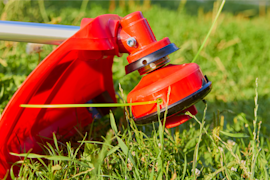
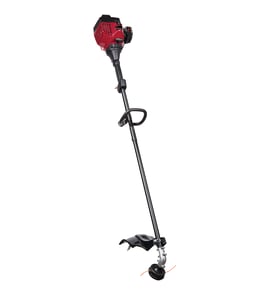
For the Poulan P1500 gas line trimmer, the best trimmer line is the thickest diameter your trimmer head is designed to handle; for most homeowner trimmers, that is typically 0.080-inch to 0.095-inch. A quality round or twisted line cuts cleanly and feeds reliably without overloading the engine.
Use these quick rules to match line type to your yard and how you trim:
- Light grass and edging: 0.065-inch to 0.080-inch round line
- General trimming (most yards): 0.080-inch to 0.095-inch round or twisted line
- Thicker weeds: step up in diameter only if your head supports it
- Avoid “too thick” line: it can bog the engine, reduce RPM, and cause poor cutting
- Prefer quality line: it stays flexible longer and breaks less
Different shapes trade durability for cutting aggression.
| Line shape | Best for | What to expect |
|---|---|---|
| Round | Everyday trimming | Smooth feeding, good durability |
| Twisted | Mixed grass and weeds | Quieter, cleaner cut, good efficiency |
| Square/star | Heavy weeds | More bite, can wear faster and be noisier |
These checks fix most “bad line” complaints:
- Wind the spool evenly and do not overfill it
- Soak nylon line in water for 24 hours to improve flexibility (helps reduce snapping)
- Clean debris from the head and eyelets
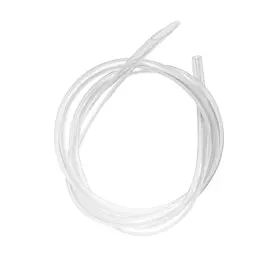
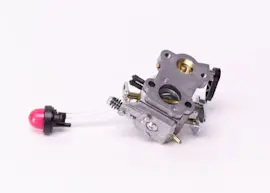
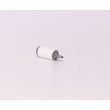
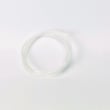
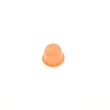
- If the engine surges or dies under load, check fuel delivery parts like the Poulan lawn & garden equipment fuel line, small 530069247 and the ayp leaf blower primer bulb 530035497
Using the correct diameter and a good-quality line helps your Poulan P1500 maintain cutting speed, reduces vibration, and prevents extra wear on the trimmer head and engine.
Last updated: February 2026
What gas string trimmer has the most power?
The most powerful gas string trimmers are typically professional-grade, straight-shaft models with larger 2-stroke engines (often in the 25cc to 30cc class) built for heavy brush and long run times. If your Poulan P1500 is losing power, a fuel-delivery tune-up often restores performance without replacing the trimmer.
Power is not just engine size; it is how well the trimmer keeps RPM under load.
- Engine displacement (cc): higher cc usually means more torque for thick weeds
- Cutting system: line diameter and head design affect load and cutting speed
- Shaft type: straight shafts are commonly used on higher-power units
- Condition: clogged fuel lines, air leaks, or carb issues can make any trimmer feel weak
If your P1500 bogs down, surges, or will not reach full throttle, these are the most common fixes.
- Replace cracked or soft fuel tubing such as the Poulan lawn & garden equipment fuel line, small 530069247
- Check the larger supply/return line fitment such as the ayp lawn & garden equipment fuel line, large 530069216
- If priming is inconsistent, replace the ayp leaf blower primer bulb 530035497
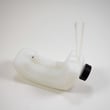
- Inspect the fuel tank venting and seal; a leaking cap can cause lean running (see line trimmer fuel tank cap 530014347)
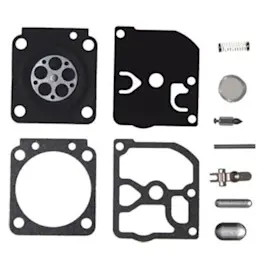
- If it still runs lean or stalls at throttle, the carburetor may need service or replacement (see line trimmer carburetor 530071822)
| Feature | Pro-grade gas trimmer | Typical homeowner gas trimmer |
|---|---|---|
| Engine size | ~25cc to 30cc+ | ~20cc to 25cc |
| Best use | Heavy weeds, brush, long sessions | Regular trimming, lighter growth |
| Feel under load | Holds RPM better | More bogging in thick growth |
When a trimmer is truly “most powerful,” it maintains cutting speed in dense grass without constant feathering of the throttle. For many owners, restoring proper fuel flow (fuel lines, primer bulb, carburetor) delivers a bigger real-world improvement than upgrading to a larger engine.
Last updated: February 2026
Which is better, .080 or .095 trimmer line?
For the Poulan P1500 gas line trimmer, .080-inch line is the correct choice; it’s the size the cutting head is designed to feed and advance reliably. Using .095-inch line commonly causes poor line advance, rough cutting, and extra strain on the head and engine.
- .080-inch: correct fit for the head, consistent bump-feed/advance, best overall performance
- .095-inch: thicker and tougher, but typically does not feed correctly in heads designed for .080
- If you want longer life per spool, choose a more durable .080 line type (not a thicker diameter)
- If the trimmer bogs down, keep the line at the recommended diameter and reduce cutting load
| Item | .080 line | .095 line |
|---|---|---|
| Fit for P1500 head | Yes | No (common feed issues) |
| Line advance reliability | High | Low |
| Cutting load on engine | Normal | Higher |
| Best use case on P1500 | All normal trimming | Not recommended |
- Confirm your spool and head are set up for .080-inch line.
- Use short, controlled sweeps in heavy weeds instead of forcing thicker line.
- Keep the guard and head clean so the line can advance smoothly.
- If line will not advance or the engine struggles, inspect for fuel delivery issues that reduce power; a cracked or soft fuel line is a common cause (see Poulan lawn & garden equipment fuel line, small 530069247).
Line diameter affects how the trimmer head feeds and how hard the engine has to work. On the P1500, the right diameter (.080) prevents jams and keeps cutting performance consistent.
Last updated: February 2026