Error Codes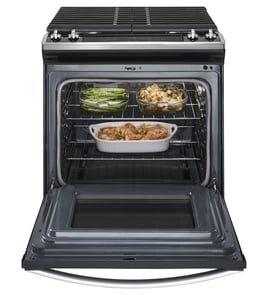




Is GE JGB700SEJ5SS considered high end?
GE JGB700SEJ5SS is a standard GE free standing gas range, not a luxury or “high-end” line. It is a solid mid-range style of range; “high end” in GE typically refers to upgraded series with more premium finishes, controls, and feature sets.
How we’d classify this model
Most shoppers place ranges into three buckets based on build, features, and price tier:
| Tier | What it usually means | Where JGB700SEJ5SS fits |
|---|---|---|
| Value | Basic cooking features, fewer upgrades | Not typically |
| Mid-range | Everyday features, reliable performance | Yes |
| Premium/luxury | Pro-style build, specialty burners, advanced controls | Not typically |
What “high end” usually includes (and what to check)
If you are trying to decide whether your JGB700SEJ5SS is “premium,” we recommend comparing it against these common high-end signals:
- Pro-style burner layout and very high BTU output on multiple burners
- Heavy-duty knobs and metal control hardware
- Advanced oven features (more cooking modes, tighter temperature control)
- More robust door hinges and premium rack systems
- More complex electronics (touch controls, additional sensors)
Why it matters
Knowing the tier helps set expectations for performance and repair cost. Mid-range ranges like the GE JGB700SEJ5SS typically use widely available service parts, which keeps repairs straightforward when items like igniters, knobs, or burner caps wear out.
Parts that commonly support “like-new” performance
If your range feels less “premium” than it used to, these are common wear items that restore day-to-day usability:
- Range oven burner igniter WB13X40206 (helps fix weak or delayed oven ignition)
- Range surface burner knob WB03X24818 (restores smooth, accurate burner control)
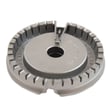
- Range surface burner cap WB28K10222 (improves flame shape and stability)
Last updated: February 2026
What is JGB700SEJ5SS?
JGB700SEJ5SS is the model number for a GE free standing gas range. We use this exact model number to match the correct replacement parts and diagrams for your range, such as burner caps, igniters, knobs, and the spark module (all of which can vary by model).
What this model number tells us
For GE model JGB700SEJ5SS, the key identifiers are:
- Brand: GE
- Appliance type: Free standing gas range
- Parts category: Range parts
- Common service areas: cooktop burners, oven ignition, controls, and oven light
Common parts customers replace on this range
If you are troubleshooting a symptom (no ignition, weak flame, clicking, or no oven heat), these model-matched parts are often involved:
- Range surface burner cap WB28K10222
- Range oven burner igniter WB13X40206
- Range surface burner knob WB03X24818
- Range spark module WB13X24741
- Range light socket WB08T10026
Quick symptom-to-part guide
| Symptom | Most likely area | Example model-matched part |
|---|---|---|
| Burner clicks but won’t light | ignition/spark | Range spark module WB13X24741 |
| Oven won’t heat | oven ignition | Range oven burner igniter WB13X40206 |
| Flame is uneven or lifting | burner cap/cleaning | Range surface burner cap WB28K10222 |
| Knob is cracked or won’t turn smoothly | control knob | Range surface burner knob WB03X24818 |
Why it matters
Using the exact model number JGB700SEJ5SS prevents ordering the wrong GE range parts. Even small design changes between similar-looking ranges can affect burner components, gas valves, and control parts.
Last updated: February 2026
What is the lifespan of a GE oven?
A GE oven typically lasts 15 to 17 years for gas models like the GE JGB700SEJ5SS range when it’s installed correctly, kept clean, and repaired as needed. Consistent burner ignition and stable oven temperatures are the biggest indicators of long service life.
Typical lifespan ranges
Most households see these averages:
- Gas oven/range: 15 to 17 years
- Electric oven/range: 13 to 15 years
- Heavy daily use: expect the lower end of the range
- Light to moderate use: often reaches the upper end
| Appliance type | Typical lifespan | What usually ends it first |
|---|---|---|
| Gas range/oven | 15 to 17 years | Ignition system, gas valve issues, control failures |
| Electric range/oven | 13 to 15 years | Heating element failures, control failures |
What makes a gas oven last longer (or fail sooner)
A gas range has fewer high-draw heating components than many electric ovens, but it relies heavily on ignition and gas delivery. Watch for these common wear points:
- Weak or delayed ignition (often tied to the igniter)
- Clicking that won’t stop, or no spark at burners (spark system issues)
- Inconsistent flame or low heat (burner cap alignment, orifice, or valve issues)
- Temperature swings or no bake/broil (control or ignition problems)
- Door heat loss from worn seals (not listed in the parts shown here, but common)
Parts that commonly extend the life of this model
When symptoms match, replacing the worn part restores safe, reliable cooking and can add years of use:
- If the oven won’t heat or takes too long to ignite: range oven burner igniter WB13X40206
- If surface burners won’t light or keep clicking: range spark module WB13X24741
- If flames are uneven or lifting: range surface burner cap WB28K10222
- If a knob is cracked or won’t turn smoothly: range surface burner knob WB03X24818
Why it matters
Knowing the expected lifespan helps you decide whether to repair or replace. If your JGB700SEJ5SS is under about 10 years old, repairs like an igniter or spark module replacement are often the most cost-effective way to restore performance.
Last updated: February 2026
Will a 30 inch stove fit in a 30 inch opening?
Yes, a 30-inch range typically fits a 30-inch cabinet opening because most “30-inch” freestanding ranges (including the GE JGB700SEJ5SS) are built slightly under 30 inches wide to allow for installation clearance. Measure your opening and allow space for leveling and gas connection depth.
What to measure before you buy or install
Use a tape measure and confirm these dimensions in your kitchen:
- Opening width: measure at the front and back of the cutout (walls can be out of square)
- Opening height: floor to countertop, and check for baseboard trim that can interfere
- Opening depth: from the back wall to the front edge of the countertop
- Rear clearance: room for the gas line, shutoff valve, and power cord/plug
- Side clearance: a little space on each side prevents rubbing and makes leveling easier
Typical fit guidelines for a 30-inch freestanding gas range
Most 30-inch freestanding ranges are designed to slide into a standard 30-inch space, but the opening still needs to be truly clear (no screws, trim, or countertop overhang blocking the chassis).
| Item to check | What’s typical | What to watch for |
|---|---|---|
| Range width | Slightly under 30 in. | Tight openings (paint buildup, tile edges) |
| Side clearance | Small gap on each side | Cabinets pinching the range |
| Depth behind range | Extra room needed | Gas shutoff sticking out too far |
| Leveling space | Needed at the feet | Uneven floors causing rocking |
Why it matters
A range that is forced into a too-tight opening can bind against cabinets, sit out of level (affecting baking and simmering), or pinch the gas line. A clean, correctly sized opening helps the GE JGB700SEJ5SS slide in smoothly and operate safely.
If the opening is tight or the range will not slide in
These quick checks solve most “it’s 30 inches but it won’t fit” situations:
- Remove any anti-tip bracket screws or debris protruding into the opening
- Check for baseboard trim or quarter-round blocking the back corners
- Verify the gas shutoff valve is positioned so the range can sit close to the wall
- Confirm the range is not catching on a countertop overhang
- Level the range after it’s in place; replace missing or damaged feet parts if needed
If you’re also replacing worn cooktop hardware while you have the range pulled out, common items for this model include the range surface burner cap WB28K10222 and range surface burner knob WB03X24818.
Last updated: February 2026