Error Codes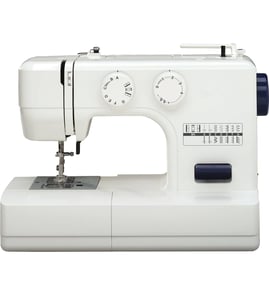

How do I find out how much my sewing machine is worth?
The value of a Kenmore 14812040 mechanical sewing machine depends most on whether it sews properly, its cosmetic condition, and whether it includes original accessories (case, foot pedal, attachments). Most older mechanical machines sell for modest amounts, while clean, fully working examples with accessories sell for more.
Quick steps to estimate value
- Write down the exact model number: 14812040.
- Confirm operating condition: powers on, needle moves, feeds fabric, makes a balanced stitch.
- List what’s included: foot pedal, power cord, bobbins, presser feet, buttonholer, case.
- Note condition issues: cracked wiring, seized handwheel, noisy motor, missing parts.
- Compare against completed sales for the same model number (not asking prices).
What typically changes the price the most
| Factor | Usually increases value | Usually decreases value |
|---|---|---|
| Working status | Sews smoothly at multiple speeds | Won’t run, locks up, needle won’t move |
| Completeness | Original accessories and case | Missing pedal, missing bobbin case, missing feet |
| Condition | Clean, minimal rust, tight controls | Heavy corrosion, damaged wiring, broken knobs |
| Service history | Recently cleaned and oiled | Unknown maintenance, dried grease |
How to document condition (so your comparison is accurate)
- Sew a test on cotton and a thicker fabric; check stitch consistency.
- Check feed dogs move fabric evenly; if not, use our guide on sewing machine fabric not moving.
- Turn the handwheel by hand; if it binds, review sewing machine locks up.
- Listen for knocking or grinding; compare symptoms with sewing machine knocks when running.
- If the motor will not run, use sewing machine motor won't run.
Why it matters
Two Kenmore 14812040 machines can look similar but sell very differently; buyers pay for proven stitch quality, smooth drive system (belt and motor), and complete accessories because those reduce repair time and parts hunting.
Last updated: February 2026
Is it worth repairing an old sewing machine?
Yes, repairing an older Kenmore sewing machine like model 14812040 is usually worth it when the machine has a solid metal drive, runs smoothly after cleaning and oiling, and the repair cost stays below the price of a comparable replacement. It is especially worthwhile if you sew regularly or want consistent stitch quality.
Quick way to decide (cost vs. value)
Use this checklist before you spend money on service.
- Worth repairing if it mostly works and needs routine wear items (belt, motor brushes, wiring, cleaning, lubrication)
- Worth repairing if it has good stitch formation but needs adjustment (timing, tension, feed dog height)
- Worth repairing if it has sentimental value and you will keep using it
- Not worth repairing if the machine has cracked castings, severe corrosion, or repeated electrical failures
- Not worth repairing if it locks up even after the hook area is cleaned and the handwheel will not turn freely
What typically fails on older mechanical machines
Most “old sewing machine” repairs are straightforward mechanical or electrical fixes.
| Symptom | Common cause | Typical fix type |
|---|---|---|
| Fabric not feeding | Feed dogs packed with lint, presser foot pressure issue | Cleaning and adjustment |
| Machine locks up | Thread jam in hook/bobbin area, dry bearings | Jam removal, lubrication |
| Motor hums but will not run | Seized mechanism, failing motor, bad foot control | Mechanical service or motor/controls |
| Runs sluggish or hot | Dry lubrication points, worn belt | Service and belt replacement |
For step-by-step troubleshooting paths, use sewing machine common questions and the symptom guides like sewing machine locks up.
Why it matters
A well-maintained mechanical Kenmore can deliver steady power and consistent stitches for decades. Repairing a durable machine often costs less than replacing it, and you avoid the learning curve of a new machine’s controls and stitch settings.
Tips to keep repair costs down
- Clean lint from the bobbin case and feed dogs before any diagnosis
- Install a new needle and rethread top and bobbin with quality thread
- Test with the presser foot up (threading) and down (sewing) to confirm tension behavior
- If the handwheel is stiff, stop and clear jams before running the motor
- If electrical smell, sparking, or intermittent power occurs, unplug and address wiring/switch issues first
Last updated: February 2026
What is the difference between a sewing machine and a mechanical sewing machine?
A mechanical sewing machine like the Kenmore 14812040 uses manual knobs and levers to set stitch type, stitch length, and stitch width, while an electronic (computerized) sewing machine uses buttons and a control board to select and fine-tune stitches. Mechanical models are simpler and easier to maintain.
Quick comparison
| Feature | Mechanical sewing machine (Kenmore 14812040) | Electronic sewing machine |
|---|---|---|
| Stitch selection | Dial/lever | Buttons, screen, or keypad |
| Stitch length/width | Manual adjustment | Precise digital adjustment |
| Speed control | Foot pedal feel, basic control | Often smoother control, sometimes speed limiter |
| Maintenance | Fewer electronics; more mechanical wear points | More electronics; boards and sensors can fail |
| Best for | Straightforward sewing, learning basics | Decorative stitches, convenience features |
What you will notice in everyday use
- Controls: Mechanical machines rely on physical dials; electronic machines store stitch programs.
- Stitch options: Electronic models typically offer more built-in stitches and buttonhole styles.
- Consistency: Electronic machines often hold stitch settings more consistently across fabrics.
- Repair profile: Mechanical machines commonly need cleaning, lubrication, belt checks, and tension adjustments; electronic machines add potential control-board and display issues.
- Learning curve: Mechanical machines feel more hands-on; electronic machines can be faster to set up once you know the menus.
Why it matters
Choosing between mechanical and electronic affects how you troubleshoot and what parts typically wear. For example, if fabric is not feeding correctly, a mechanical model often points to feed dogs, presser foot pressure, lint buildup, or timing issues rather than a software setting. For step-by-step troubleshooting, use our sewing machine fabric not moving guide.
Last updated: February 2026
Who makes the best mechanical sewing machine?
There is no single “best” maker for every sewer, but the most consistently strong mechanical sewing machine brands are Janome (often sold as Kenmore 148-series), Brother, Singer, and Pfaff. The best choice depends on stitch needs, serviceability, and how smoothly the machine feeds fabric for the materials you sew most.
What to look for in a great mechanical machine
A mechanical sewing machine is all about reliable feed, stable tension, and easy adjustments. When you compare brands, focus on these practical factors:
- Consistent stitch quality at slow and medium speeds
- Strong feed dogs that move denim and quilting cotton without slipping
- Easy-to-set upper tension and a smooth tension dial
- Common needle system compatibility (most home machines use 130/705H style needles)
- Simple maintenance access (bobbin area cleaning, oiling points if applicable)
- Parts availability for wear items (belt, motor, foot control, switch)
Brand comparison (quick guide)
| Brand | Best for | Typical strengths | Watch-outs |
|---|---|---|---|
| Janome (and many Kenmore 148/385-era builds) | Everyday sewing, longevity | Smooth mechanical feel, durable internals | Older units may need cleaning, lubrication, or a belt |
| Brother | Beginners, value | Easy threading, widely available accessories | Some models feel lighter-duty |
| Singer | General home sewing | Lots of model choices, common presser feet | Quality varies by model and era |
| Pfaff | Precision sewing | Excellent fabric control on many models | Higher cost, parts can be pricier |
How this relates to your Kenmore 14812040
Your Kenmore 14812040 is a mechanical sewing machine, so “best” for you usually means: it runs smoothly, forms balanced stitches, and feeds fabric evenly. If you are troubleshooting performance (skipping stitches, sluggish running, fabric not moving), fixing setup or a worn drive component often restores “like-new” results.
If you are comparing machines by problems you want to avoid
- If fabric stalls or bunches: prioritize strong feed and presser foot pressure control; see sewing machine fabric not moving
- If the handwheel gets tight or the machine jams: look for easy cleaning access; see sewing machine locks up
- If power is unreliable: check switch and foot control design; see sewing machine won't turn on
Why it matters
Mechanical machines can last for decades when they are kept clean, correctly threaded, and not forced through heavy materials. Choosing a brand with a solid mechanical design and serviceable parts reduces downtime and keeps stitch quality consistent.
Last updated: February 2026