Get free shipping on your order, with any water filter subscription. Find my filter

Open Hamburger Menu
Sears Parts Direct
Tips to find your model number

GE ZV925SL1SS range hood Parts

Here are the diagrams and repair parts for GE ZV925SL1SS range hood, as well as links to manuals and error code tables, if available.

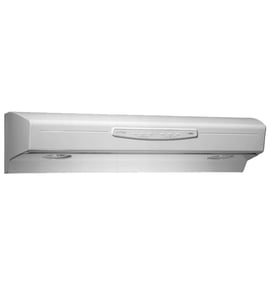
GE ZV925SL1SS range hood
By Schematic
By Part
SELECT DIAGRAM
?

This is the number corresponding to the part on the diagram / schematic

Browse Parts for ZV925SL1SS Range Hood

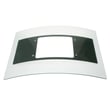
  • Shelf for GE ZV925SL1SS - Part WB63X27925

    Range hood diagram

    Shell

    Part #WB07X11000

    Replaced by #WB63X27925

    Info Icon
    Manufacturer substitution
    This part replaces WB07X11000. Substitute parts can look different from the original.
    In Stock
    $711.74
    Minus Item
    Qty
    Plus Item
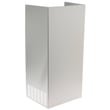
  • Upper Chimne for GE ZV925SL1SS - Part WB34X27229

    Range hood diagram

    Upper Chimney

    Part #WB38X10110

    Replaced by #WB34X27229

    Info Icon
    Manufacturer substitution
    This part replaces WB38X10110. Substitute parts can look different from the original.
    In Stock
    $479.83
    Minus Item
    Qty
    Plus Item
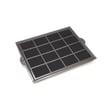
  • Range Hood Charcoal Filter for GE ZV925SL1SS - Part WB02X28615

    Range hood diagram

    Range Hood Charcoal Filter

    Part #WB02X11284

    Replaced by #WB02X28615

    Info Icon
    Manufacturer substitution
    This part replaces WB02X11284. Substitute parts can look different from the original.
    In Stock
    $173.84
    6% OFF Phone Price : $185.84Info Icon
    Minus Item
    Qty
    Plus Item
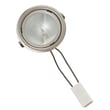
  • Transformer for GE ZV925SL1SS - Part WB26X26531

    Range hood diagram

    Range Hood Transformer

    Part #WB17X10025

    Replaced by #WB26X26531

    Info Icon
    Manufacturer substitution
    This part replaces WB17X10025. Substitute parts can look different from the original.
    In Stock
    $282.37
    Minus Item
    Qty
    Plus Item
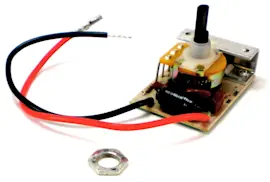
  • Main Control Board Kit for GE ZV925SL1SS - Part WB27X11123

    Range hood diagram

    Electronic Variator

    Part #WB27X10922

    Replaced by #WB27X11123

    Info Icon
    Manufacturer substitution
    This part replaces WB27X10922. Substitute parts can look different from the original.
    In Stock
    $922.67
    Minus Item
    Qty
    Plus Item
  • Lower Back C for GE ZV925SL1SS - Part WB34X27227

    Range hood diagram

    Lower Back C

    Part #WB38X10109

    Replaced by #WB34X27227

    Info Icon
    Manufacturer substitution
    This part replaces WB38X10109. Substitute parts can look different from the original.
    In Stock
    $521.52
    Minus Item
    Qty
    Plus Item
  • Gasket for GE ZV925SL1SS - Part WB04X48347

    Range hood diagram

    Gasket

    Part #WB04X10031

    Replaced by #WB04X48347

    Info Icon
    Manufacturer substitution
    This part replaces WB04X10031. Substitute parts can look different from the original.
    In Stock
    $94.77
    Minus Item
    Qty
    Plus Item
  • Installation Manual for GE ZV925SL1SS - Part 49-80329

    Range hood diagram

    Installation Manual

    Part #49-80329

    The manufacturer no longer makes this part, and there's no substitute part

  • Island Hood Mini Manual for GE ZV925SL1SS - Part 49-80408

    Range hood diagram

    Island Hood Mini Manual

    Part #49-80408

    The manufacturer no longer makes this part, and there's no substitute part

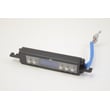
  • Range Hood Electronic Control Board And Panel Assembly for GE ZV925SL1SS - Part WB39X10016

    Range hood diagram

    Range Hood Electronic Control Board And Panel Assembly

    Part #WB39X10016

    The manufacturer no longer makes this part, and there's no substitute part

GE Range Hood ZV925SL1SS FAQs

For a 48-inch range, we typically recommend a range hood in the 600 to 1200 CFM range, depending on how you cook and how your kitchen is vented. For your GE ZV925SL1SS range hood setup, the best results come from matching CFM to your cooking style and keeping the duct run efficient per the ZV925SL1SS installation guide.

How to choose the right CFM for a 48-inch range

Use these practical targets:

  • 600 to 800 CFM: light to moderate cooking, mostly simmering, occasional searing
  • 900 to 1200 CFM: frequent high-heat cooking (wok, griddle, heavy searing), lots of smoke or grease
  • Higher end of the range: open kitchens, high ceilings, or when you want faster smoke capture
  • Lower end of the range: smaller households, less frying, shorter cook times
  • Always prioritize capture: a well-installed hood at the right height often performs better than “more CFM” with poor ducting

Ducting and installation details that affect real performance

CFM on paper can drop fast if the venting is restrictive. The ZV925SL1SS installation guidance emphasizes planning duct runs and limits.

  • Keep ducting smooth and straight when possible
  • Avoid flexible plastic ducting
  • If you use flexible metal ducting, keep it stretched smooth; equivalent resistance is higher
  • Plan to stay within typical maximum equivalent duct length guidance (often up to 100 ft equivalent for many hood installs)

Quick planning table

Cooking style Suggested CFM Venting priority
Mostly boiling/simmering 600 to 800 Short, smooth duct run
Frequent searing/frying 900 to 1200 Larger duct, fewer elbows
Heavy smoke/grease (wok/griddle) 1000 to 1200 Best possible duct layout

Why it matters

Right-sizing CFM helps your hood capture smoke and grease without excessive noise. Just as important, good duct design and correct mounting height help the blower move air efficiently and keep your kitchen air clearer.

Last updated: February 2026

The GE UVC9480SLSS is rated at up to 1,220 CFM of airflow capacity (two 610 CFM blowers). For safe performance, we install and vent it to match the ducting, electrical, and height requirements in the installation guide.

What “capacity” means on a range hood

Capacity is the maximum airflow the hood can move, measured in CFM (cubic feet per minute). Actual airflow at your cooktop can be lower depending on duct length, elbows, and restrictions.

Common factors that reduce real-world airflow:

  • Long duct runs or too many elbows
  • Undersized ducting or crushed flex duct
  • Dirty grease filters or blocked vent cap
  • Recirculating setup (no outside vent)
  • Backdraft damper sticking or installed incorrectly

Quick install specs to confirm (so you get full performance)

Use these planning checkpoints from the install requirements:

  • Install the hood 24 in. minimum to 30 in. maximum above the cooking surface
  • Measure height to the bottom of the outer glass portion of the hood
  • Provide adequate ceiling framing support (designed for contact loads up to about 200 lb)
  • Use a dedicated 120V, 60Hz, properly grounded electrical supply
  • Vent air to the outdoors (do not exhaust into wall, ceiling, attic, crawlspace, or garage)

Capacity vs. installation: quick comparison

Item What to expect Why it matters
Max airflow rating Up to 1,220 CFM Sets the upper limit of smoke and odor removal
Ducting quality Short, smooth, correctly sized Preserves airflow and reduces noise
Filter condition Clean metal grease filters Prevents restriction and protects the blower

Why it matters

A high-CFM hood only performs like a high-CFM hood when the ducting, mounting height, and power supply are correct. Getting those basics right improves capture of smoke and grease and helps keep the blower quieter.

Last updated: February 2026

The model number and serial number for your GE range hood are printed on a label on the hood itself. For the GE ZV925SL1SS, check the hood label, then write the numbers down so you can match parts and use the correct manual.

Where to look on the hood

We recommend checking these common label locations on a glass canopy chimney hood:

  • Inside the hood canopy, near the grease filter area
  • Along an interior side wall of the hood body
  • Near the wiring or control area (visible after removing filters)
  • On the top side of the hood body (sometimes visible from above during installation)

For diagrams and model identification details, use the ZV925SL1SS owner's manual.

Quick steps to confirm you have the right model

Once you find the label, match the model number exactly (letters and numbers) before ordering parts.

  • Locate the label and copy the model number and serial number
  • Confirm the model number reads ZV925SL1SS (not just ZV925)
  • Use the model number when selecting parts like the grease filter or blower assembly
  • Keep a photo of the label for future reference

Common label terms you will see

Label field What it means Why you need it
Model number The exact hood version Ensures correct part fit
Serial number Production identifier Helps with service history

Why it matters

GE made multiple versions within the ZV900 and ZV925 series. Using the exact model number from the hood label prevents ordering the wrong range hood parts and helps you follow the correct operating and maintenance instructions.

Last updated: March 2026
Most common symptoms to help you fix your range hoods

Choose a symptom to see related range hood repairs.

Main causes: sentry feature trips due to high cooktop temperature, bad temperature sensor, electronic control board fail…

Main causes: bad fan switch, electronic control board failure, faulty user interface control, wiring failure…

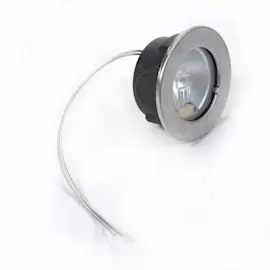
Main causes: bad light bulb, broken light switch, bad electronic control, user interface control failure, bad light sock…

Main causes: electronic control board failure, bad user interface control, light and fan switch failures, wiring failure…

Main causes: loose mounting screws, bad fan motor, damaged fan blade, worn fan motor bearings…

Main causes: clogged air filters, air duct problems, fan motor failure, broken fan blade…

Main causes: lack of electrical power, bad electronic control board, faulty user interface, fan and light switch failure…

Most common repair guides to help fix your range hoods

These step-by-step repair guides will help you safely fix what’s broken on your range hood.

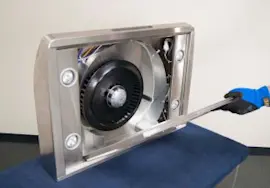
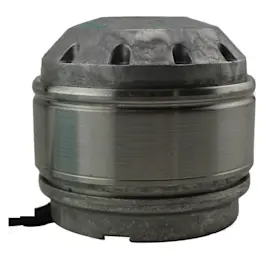
How to replace a range hood fan motor

How to replace a range hood fan motor

If the fan on the range hood won’t run, it’s likely that the fan motor has failed. Follow the steps in this guide to rep…

Repair time and Difficulty

 30 minutes or less
How to replace a range hood fan switch

How to replace a range hood fan switch

The fan switch activates the fan motor in the range hood. If the fan switch is defective, replace it using the detailed …

Repair time and Difficulty

 15 minutes or less
How to replace a range hood light socket

How to replace a range hood light socket

When you replace a light bulb and it still won’t work, the socket is likely defective. Use the detailed steps in this re…

Repair time and Difficulty

 15 minutes or less

Effective articles & videos to help repair your range hoods

Use the advice and tips in these articles and videos to get the most out of your range hood.

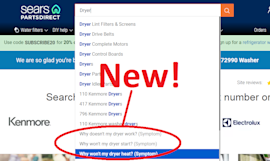
Tapping into a new feature in the Search Bar on Sears PartsDirect

Tapping into a new feature in the Search Bar on Sears PartsDirect

Learn about a new feature added to the Search Bar on Sears PartsDirect…

What are the most common range hood parts that need replacing?

What are the most common range hood parts that need replacing?

See the most common replacement parts needed for your range hood.…

Using a wiring schematic to trace a current video

Using a wiring schematic to trace a current video

Find out what’s wrong with your appliance by following a circuit.…

Parts & More

Carpet Cleaner
Dishwasher
Dryer
Electric Range
Front-Engine Lawn Tractor
Gas Range
Gas Walk-Behind Mower
Gas Water Heater
Laundry Center
Parts
Sewing Machine
Side-By-Side Refrigerator
Television
Top-Mount Refrigerator
Washer