Owner’s manual



Where can I buy Craftsman garage door opener parts?
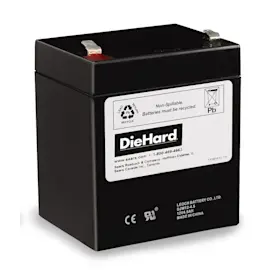
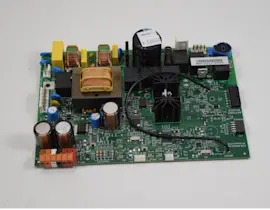
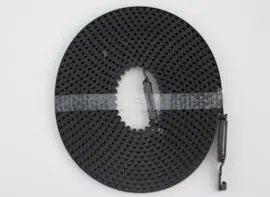
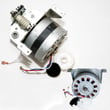
You can buy replacement parts for your Craftsman 13953674SRT2 garage door opener from the parts list for this model, and you can also search by model number on Sears PartsDirect. For diagrams, accessory options, and part identification details, use the 13953674SRT2 owner's manual.
Best ways to find the right part
- Match the full model number exactly: 13953674SRT2.
- Use the exploded diagrams in the manual to identify assemblies (rail assembly, opener assembly).
- If you are shopping for add-ons, check the accessory list in the manual (examples include emergency key release and rail extension kits).
- If your opener is flashing lights or showing a diagnostic pattern, use Craftsman error codes to narrow the failure to a sensor, wall control, or motor circuit.
- Confirm your door type and height before ordering (7-foot doors often use standard rails; taller doors commonly need an extension kit).
Common parts and accessories customers order
These are frequently needed items for Craftsman openers like model 13953674SRT2; confirm fit by diagram and description before purchasing.
| Need | What you are usually replacing | When it’s common |
|---|---|---|
| Door won’t close or reverses | Safety reversing sensor components and wiring | Misalignment, sun glare, damaged wires |
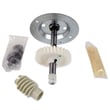
| Door won’t move but motor runs | Drive gear and worm gear components | Grinding noise, stripped gear |
| Door is too tall for travel | Rail extension kit | 8-foot or 10-foot doors |
| No access door to garage | Emergency key release | Required for manual release from outside |
Why it matters
Ordering by model number and confirming the part in the diagram prevents wrong-part returns and helps you fix the real failure faster, especially on issues tied to safety sensors, travel limits, and drive components.
Last updated: February 2026
Is it cheaper to repair or replace a garage door opener?
Repair is usually cheaper for a Craftsman garage door opener like model 13953674SRT2 when the problem is minor (remote, wall control, sensor alignment, or limit/force adjustment). Replacement is the better value when the opener is older, has repeated failures, or needs major drive or motor work.
Quick cost rule of thumb
In most homes, repair makes sense when the fix is straightforward and the door is otherwise running smoothly. Replacement makes sense when costs stack up or reliability and safety checks are hard to keep passing.
- Repair: best for intermittent issues, adjustments, or a single worn component
- Replace: best for frequent breakdowns, major internal wear, or multiple parts failing at once
- Safety first: after any adjustment, we repeat the safety reversal test (the manual calls for monthly testing and re-testing after changes)
What we check first on model 13953674SRT2
Many “needs replacement” symptoms are actually setup or door issues. Start with these common, low-cost checks from the owner's manual.
- Confirm the garage door is balanced (a poorly balanced door overloads the opener)
- Inspect and align the safety sensors; clean the lenses
- Verify travel limits and force controls are set correctly
- Perform the 1-inch board safety reverse test and re-test after adjustments
- Check the emergency release operation (use extra caution if the door is open)
Repair vs replace decision table
| Situation | Usually best choice | Why |
|---|---|---|
| Door will not close and lights blink, sensors misaligned | Repair/adjust | Fast fix, restores safe operation |
| Opener runs but door barely moves, grinding noises | Replace or major repair | Often points to internal gear/drive wear |
| Repeated service calls in the last 12 months | Replace | Reliability and total cost trend upward |
| Door is heavy or binds even by hand | Repair the door system first | Springs/hardware must be corrected before judging the opener |
Why it matters
A garage door opener is a safety device as much as a convenience. The manual stresses keeping the door properly balanced and testing the reversal system regularly; an opener that cannot pass the reversal test should be addressed immediately.
Helpful troubleshooting resources
If you see diagnostic flashes or error patterns, use our Craftsman error codes guide to narrow the cause before deciding on repair vs replacement.
For parts and model-based lookup, start with the parts list for 13953674SRT2, or search by model on Sears PartsDirect.
Last updated: February 2026
Is it worth repairing a 20 year old garage door opener?
Yes, it’s often worth repairing a 20-year-old Craftsman garage door opener (model 13953674SRT2) when the problem is a setup, adjustment, or small wear issue; if the motor or main drive components are failing repeatedly, replacement is usually the better long-term value.
Quick decision checklist
- Repair if the opener still runs smoothly and the issue is intermittent (limits, force, sensors, remote).
- Repair if the door is properly balanced and moves easily by hand.
- Replace if the opener strains, stalls, or needs frequent resets/repairs.
- Replace if the door hardware is worn (springs/cables) and the system is unsafe.
- Replace if you want newer safety and convenience features (quieter operation, better controls).
What we recommend checking first (common “repairable” causes)
Start with the items that most often mimic a “bad opener”:
- Safety sensor alignment/obstruction (door won’t close, lights blink).
- Limit and force settings (door reverses, stops short, or won’t fully close).
- Door balance (a heavy or binding door makes any opener act weak).
- Power and wiring basics (loose connections at wall control or opener).
For model-specific adjustment locations and the required safety reverse re-test after changes, use the 13953674SRT2 owner's manual.
Repair vs replace: cost and reliability comparison
| Situation | Repair makes sense | Replacement makes sense |
|---|---|---|
| Door won’t close, sensors involved | Yes | No |
| Needs limit/force adjustment | Yes | No |
| Door is unbalanced or binding | Fix door first, then reassess | Often, if door repairs are extensive |
| Motor/drive failures keep returning | Sometimes | Yes |
Why it matters
A garage door opener is only as reliable as the door system it’s lifting. The manual specifically warns to keep the door properly balanced and to have spring/cable hardware serviced by a professional; an unbalanced door can cause unsafe operation and repeated opener problems.
Helpful troubleshooting resources
- Craftsman error codes (useful when the opener signals a fault with blinking lights or diagnostic codes)
If you decide to repair, we use the model number 13953674SRT2 to match the correct diagrams and parts list; you can also search by model on Sears PartsDirect.
Last updated: February 2026
What are the common problems with Craftsman garage door openers?
Common problems we see with the Craftsman 13953674SRT2 garage door opener include power or wall-control issues, remote/keypad problems, safety sensor misalignment or obstructions, and door-travel or force problems that make the opener stop, reverse, or hum without moving the door. See the owner's manual for model-specific troubleshooting steps.
Most common symptoms and what they usually mean
- Opener won’t run from wall control or remote: outlet has no power, a lock is engaged, or the motor overload protector tripped (wait about 15 minutes and retry).
- Runs from remote but not wall control: door control wiring issue (loose, shorted under staples, or broken wire).
- Runs from wall control but not remote: lock feature may be on, or the remote needs reprogramming.
- Door won’t close and lights flash: safety reversing sensors are blocked or misaligned; the beam must be clear.
- Motor hums briefly but door won’t move: door may be locked, springs may be broken, or the drive system is binding.
- Straining or needing maximum force: door is out of balance; do not increase force to compensate.
Quick checks we recommend first (safe, no tools)
- Confirm the ceiling outlet has power (test with a lamp); check for a wall switch controlling the outlet.
- Make sure any manual door locks are disabled.
- Clear ice, snow, or debris at the bottom seal that can “freeze” the door to the floor.
- Check the safety sensor path: nothing can interrupt the invisible beam (tracks, hinges, rollers, or stored items).
- Verify the receiving sensor is not facing direct sunlight; reposition or add shielding if needed.
Troubleshooting guide by problem area
| Problem area | What you’ll notice | Typical fix |
|---|---|---|
| Power / overload | No response, then works later | Restore power; wait 15 minutes after repeated cycles |
| Safety sensors | Door reverses while closing; lights flash | Remove obstruction; align sensors; keep beam unobstructed |
| Wall control wiring | Wall control dead or intermittent | Inspect connections; correct wiring; repair damaged bell wire |
| Door balance / springs | Opener strains; door feels heavy by hand | Disconnect trolley and test door balance; service door hardware |
Why it matters
Most “opener problems” are actually door or sensor problems. A misaligned safety sensor can stop closing and trigger flashing lights, and an out-of-balance door can overload the motor and cause shutdowns or humming without movement.
For model-specific error indications and blink patterns, use Craftsman error codes. For replacement parts by model number, search on Sears PartsDirect.
Last updated: February 2026