
How to make a Dyson vacuum stand up?
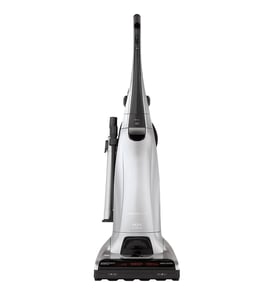
To make a Dyson DC65 upright vacuum stand up, recline the handle slightly, then pull the handle back until you feel it click into the upright lock. If it will not lock, the handle-release linkage or base latch is usually stuck with debris or worn.
Quick steps to lock the handle upright
- Turn the vacuum off and unplug it.
- Step on the cleaner head (base) to keep it flat on the floor.
- Pull the handle back toward you, then push it forward to vertical until it clicks.
- Wiggle the handle gently while pushing to help the latch align.
- If it still will not lock, check the hinge area for hair, grit, or broken plastic.
What to check if it will not stay upright
Most “won’t stand up” issues come from the handle-release mechanism not fully returning.
- Debris in the hinge/latch area: Clean around the lower handle pivot and latch slot.
- Stretched or binding linkage: The release pedal can feel loose or not spring back.
- Cracked base latch or handle yoke: The handle may pop out of the lock position.
- Vacuum not fully assembled: Make sure the wand and hose are seated and not pulling the handle backward.
Fast diagnosis table
| What you notice | Most likely cause | What to do next |
|---|---|---|
| No “click” at all | Latch blocked | Clean hinge and latch area thoroughly |
| Clicks but falls back | Worn latch surfaces | Inspect for cracks, replace worn parts as needed |
| Release pedal feels stuck | Binding linkage | Clean, then re-test handle movement |
| Handle feels pulled backward | Hose/wand not seated | Reseat hose/wand so they do not tug |
Why it matters
When the DC65 does not lock upright, the handle can drop unexpectedly and strain the hose, wand, and pivot points. Fixing the latch early helps prevent broken plastic at the base and keeps the vacuum easier to store.
Related DIY help
If you are also seeing brush or base-related symptoms, use our vacuum DIY resources for step-by-step troubleshooting: vacuum repair-guides landing page.
Last updated: February 2026
What is the average lifespan of a Dyson vacuum?
A Dyson vacuum typically lasts 7 to 10 years with normal household use and routine maintenance. For your Dyson DC65 upright vacuum, keeping airflow clear (filters, hoses, bin, and brush roll area) is what most directly determines how long it runs at full suction.
Typical lifespan by vacuum type
| Vacuum type | Typical lifespan | What usually ends it first |
|---|---|---|
| Upright corded (like DC65) | 7 to 10 years | Clogs, worn brush roll/belt, motor wear from restricted airflow |
| Cordless stick | 5 to 8 years | Battery aging (often noticeable in 2 to 4 years) |
| Canister | 8 to 12 years | Hose leaks, power nozzle wear, motor wear |
Maintenance that extends DC65 life
- Empty the bin before it is packed full (packed debris reduces airflow and increases heat).
- Clean hair and string from the brush roll area regularly.
- Wash and fully dry reusable filters on a routine schedule (a damp filter can restrict airflow).
- Check the hose and wand for clogs if suction drops.
- Keep seals and gaskets clean so the vacuum does not pull air leaks.
Quick “is it wear or maintenance?” checklist
Use this to decide whether you are seeing normal aging or a fixable issue:
- Loss of suction: usually a clog, dirty filter, or air leak.
- Brush roll not spinning: commonly hair wrap, belt/drive issue, or a jam.
- Shuts off during use: often overheating from restricted airflow.
- Burning smell: stop using it and clear jams; a stalled brush roll can overheat.
Why it matters
Most “vacuum died early” problems are actually airflow problems. When airflow is restricted, the motor runs hotter and wears faster, which shortens the overall lifespan even if the vacuum is otherwise in good shape.
For step-by-step troubleshooting and repair paths, use our vacuum repair-guides landing page.
Last updated: February 2026
How much is the Dyson DC65?
The Dyson DC65 upright vacuum is a discontinued model, so the price depends on condition (new old stock vs. used vs. refurbished) and what accessories are included. Most shoppers see DC65 pricing vary widely, so we recommend comparing listings by exact version (such as “Animal”) and included tools.
Typical price ranges you’ll see
Because the DC65 is no longer a current model, pricing is usually driven by availability and condition.
- Used (good working condition): commonly the lowest cost
- Refurbished: mid-range pricing, often with some level of seller warranty
- New old stock (rare): typically the highest price
- Missing tools or damaged hose: should cost less
- Recently serviced (filters washed, clogs cleared): often costs more
| Condition | What it usually includes | What to check before buying |
|---|---|---|
| Used | Vacuum only, limited tools | Suction, brush roll, cracks in bin, cord condition |
| Refurbished | Vacuum plus some replaced wear items | Return policy, brush roll noise, belt condition |
| New old stock | Original packaging and tools | Storage damage, brittle seals, missing attachments |
What affects the price the most
- Exact variant (DC65 vs. DC65 Animal and other sub-versions)
- Brush roll and belt health (a worn drive system reduces cleaning performance)
- Clog history (blocked air paths can mimic “bad suction”)
- Filter maintenance (dirty filters reduce airflow and can cause overheating shutoffs)
- Overall wear (bin latch, wand fit, hose splits)
Why it matters
With a DC65, a “cheap” vacuum can quickly become expensive if it needs a brush roll, belt, hose, or suction-path cleaning. Checking common failure points first helps you pay a fair price and avoid performance surprises.
Helpful DIY resources
If you’re evaluating a used DC65 or troubleshooting one you already own, start with our vacuum repair resources: vacuum repair-guides landing page.
Last updated: February 2026
Why did DC65 get bad reviews?
Bad reviews for the Dyson DC65 upright vacuum usually come from performance or usability problems, not from anything about a movie. The most common complaints are weak suction from clogs or dirty filters, brush roll issues, and the vacuum shutting off from overheating; all of these are fixable with basic troubleshooting.
Most common reasons people rate a DC65 poorly
- Loss of suction from a blockage in the hose, wand, or cleaner head
- Dirty or wet filters that restrict airflow
- Brush roll not spinning due to hair wrap, a jam, or a worn belt/drive system
- Shutting off during use from overheating (often airflow-related)
- Indicator light confusion (red/green lights can point to a condition that needs attention)
Quick checks that solve most “bad performance” complaints
- Empty the bin and check the cyclone inlet for packed debris.
- Check for clogs end-to-end: wand, hose, cleaner head airway, and any elbows.
- Clean the brush roll (remove hair and string) and confirm it spins freely by hand.
- Wash filters if your DC65 uses washable filters; let them dry completely before reinstalling.
- If it shuts off, let it cool 30 to 60 minutes, then recheck for airflow restrictions.
| Symptom | Most likely cause | Best next step |
|---|---|---|
| Not suctioning well | Clog, dirty filter, air leak | Follow vacuum not suctioning well steps |
| Brush roll not spinning | Jam, belt/drive issue | Follow vacuum brush roll on spinning steps |
| Shuts off during use | Overheating from restricted airflow | Follow vacuum shuts off during use steps |
| Red light always on | Condition detected (often brush/airflow related) | Follow vacuum upright red light always on steps |
Why it matters
On a Dyson DC65, airflow drives cleaning performance and motor cooling. When airflow drops (clog, filter restriction, brush jam), you can get weak pickup, shutdowns, and warning lights, which often leads to negative reviews even though the fix is straightforward.
Last updated: February 2026
What are the common problems with Dyson DC65 vacuums?
Common Dyson DC65 upright vacuum problems are usually airflow restrictions (clogs or dirty filters) that cause low suction, a brush roll that stops spinning from hair or belt issues, and heat-related shutoffs when the machine cannot move enough air. Most fixes are cleaning, clearing blockages, and basic wear-part inspection using our DIY vacuum resources like vacuum symptoms landing page.
Most common DC65 symptoms and what they usually mean
- Loss of suction: clogged hose/wand, packed bin shroud, dirty filter, or a leak at a seal
- Brush roll not spinning: hair wrap, jam in the cleaner head, worn belt, or a protection shutoff
- Shuts off during use: overheating from restricted airflow, full bin, or blocked cyclone path
- Red or green light behavior: often indicates a brush roll jam, blockage, or protection mode
- Unusual noise (rattle, grind, whistle): debris in the cleaner head, worn brush roll, or an air leak
- Hard to push on carpet: strong suction combined with a partially restricted airflow path
Quick checks we recommend before replacing anything
- Empty the bin and remove any packed debris around the shroud.
- Check for clogs end-to-end: cleaner head inlet, wand, hose, and internal ducts.
- Inspect the brush roll area for hair wrap and string; cut away carefully.
- Wash and fully dry filters (a damp filter can reduce airflow and trigger shutoff).
- Listen for air leaks (a high-pitched whistle often points to a seal or connection issue).
Symptom-to-fix guide (fast reference)
| Symptom | Most likely cause | First action |
|---|---|---|
| Low suction | Clog or dirty filter | Clear blockage; clean filter |
| Brush roll stops | Hair wrap or belt issue | Clean brush roll; inspect belt |
| Shuts off | Overheating from restriction | Clear airflow path; let cool |
| Red light always on | Brush roll jam/protection | Check head for jams |
Why it matters
The DC65 depends on steady airflow to cool the motor and maintain suction. When filters, hoses, or the cleaner head are restricted, performance drops quickly and the vacuum may protect itself by shutting off.
Related DIY help
- Brush roll issues: vacuum brush roll on spinning
- Brush roll replacement steps: how to replace a vacuum beater bar
- Belt-related repair steps: how to replace a vacuum power head ribbed drive belt
- Light stays on: vacuum upright red light always on
Last updated: February 2026