 Installation guide
 Owner’s manual
 Error Codes





Does a GE dishwasher have a filter that needs to be cleaned?
Yes. The GE dishwasher model GDT665SMN2ES uses filters that should be inspected and cleaned periodically to prevent gritty dishes, poor wash performance, and draining issues. For this model family, cleaning is typically done by removing the bottom rack, twisting the ultra-fine filter assembly counterclockwise, and rinsing it.
How to clean the filter on GDT665SMN2ES
Follow the steps in your GDT665SMN2ES owner's manual; the process is straightforward and usually takes just a few minutes.
- Turn the dishwasher off and let it cool if it just ran.
- Pull out the bottom rack.
- Twist the ultra-fine filter assembly counterclockwise to unlock it.
- Lift the filter out and rinse with warm, soapy water.
- Use a soft sponge to remove stuck-on debris (avoid harsh scrubbing that can damage mesh).
- Reinstall the filter and twist clockwise to lock it in place.
If your unit has a 2-piece filter setup (ultra-fine filter plus a filter basket), the basket typically unlocks with a counterclockwise twist; empty food particles, rinse, then reassemble.
How often should I clean it?
GE’s guidance for this style of dishwasher is to inspect and clean the filters about every other month, and more often with heavy use.
| Usage pattern | Recommended filter check/cleaning |
|---|---|
| Light use (few loads/week) | Every 2 months |
| Daily use | Monthly |
| Gritty residue or poor cleaning | Clean now, then monthly |
Signs the filter needs cleaning
- Dishes feel gritty after the cycle
- Food particles left in the bottom of the tub
- Reduced spray pressure or poor cleaning
- Drain performance seems worse than normal
Why it matters
A clean filter helps the wash pump and spray arms circulate water properly, which improves cleaning results and helps prevent debris from recirculating onto dishes.
Last updated: February 2026
What is the average life expectancy of a GE dishwasher?
A GE dishwasher like model GDT665SMN2ES typically lasts 10 to 15 years, with about 12 years being a solid average for normal household use. Lifespan depends most on water quality, how often you run cycles, and how well you keep the filters, spray arms, and seals clean (see the owner's manual).
Typical lifespan range (what to expect)
Most modern dishwashers fall into a predictable range based on use and care:
- Light use (a few loads per week): often closer to 12 to 15 years
- Average use (near-daily): commonly around 10 to 12 years
- Heavy use (multiple loads daily): often 7 to 10 years
- Hard water without routine cleaning: shortens life by accelerating mineral buildup
- Leaks or drainage issues left unresolved: shorten life by stressing pumps and electronics
What shortens or extends dishwasher life
The biggest “make or break” factors are maintenance and early repair of small problems.
| Factor | Tends to extend life | Tends to shorten life |
|---|---|---|
| Water hardness | Regular descaling and cleaning | Heavy mineral buildup, film, clogs |
| Cleaning habits | Cleaning interior and spray paths | Grease, debris, and odor buildup |
| Loading | Proper loading, no blocked spray | Overloading, blocking spray arms |
| Small failures | Fixing early (leaks, poor drain) | Running with symptoms for months |
Maintenance that pays off most
We recommend these habits to help your GDT665SMN2ES reach the high end of the lifespan range:
- Clean and inspect the interior regularly (the care steps in the owner's manual are a good baseline).
- Keep spray paths clear; if wash performance drops, check the lower spray arm for clogs or damage.
- Use the right detergent amount for your water hardness; too much detergent in soft water can cause etching.
- Address draining problems quickly; a struggling drain system can wear out the pump.
- Watch for door sealing issues; small leaks can lead to bigger failures.
Why it matters
A dishwasher near the 10 to 15 year mark is more likely to develop issues like poor cleaning, not draining, or intermittent starting. Catching symptoms early often prevents secondary damage to major components like the wash pump, drain pump, and control board.
Last updated: February 2026
What is the most common problem with a GE dishwasher?
The most common GE dishwasher problems are not draining and not starting. On the GE GDT665SMN2ES, start with the basics we see most often: a blocked filter or drain path, a door that is not fully latched, or a locked control panel. Use the GDT665SMN2ES owner's manual troubleshooting table to match symptoms to the right checks.
Most common symptoms and what they usually point to
- Water left in the tub: clogged filter area, drain hose restriction, or a failing drain pump
- Won’t start or stops quickly: door not latching, control lock enabled, or power issue (breaker or wall switch)
- Poor cleaning: spray arm holes blocked, loading blocking spray, or low water fill
- Suds in the tub: wrong detergent (hand soap or non-dishwasher detergent)
- Detergent cup not empty: dishes blocking the dispenser door
Quick checks we recommend first (fast, no parts)
- Confirm the door closes firmly and the latch engages.
- Check for control lock and unlock it if needed.
- If it will not run, verify the breaker is on; some installs also use a wall switch.
- If it is not draining, inspect the filter area and the drain hose routing for kinks.
- If you see suds, stop the cycle and clear suds per the manual; then switch to automatic dishwasher detergent only.
Parts that commonly solve these issues on GDT665SMN2ES
If the basic checks do not fix it, these model-matched parts are frequent fixes:
| Symptom | Common suspect part | What it affects |
|---|---|---|
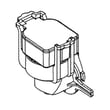
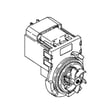
| Not draining | Dishwasher drain pump WD19X25461 | Pushes water out through the drain hose |
| Won’t start | GE dishwasher door latch lock WD21X10490 | Confirms the door is closed so the cycle can run |
| Fill or wash issues | GE dishwasher pressure sensor WD21X25468 | Helps the dishwasher sense water conditions |
Why it matters
Drain and start problems are the most disruptive because the dishwasher either leaves standing water (odor risk and poor results) or never begins the wash cycle. Catching a simple blockage or latch issue early prevents repeat failures and unnecessary part replacement.
Last updated: February 2026





