Owner’s manual
 Error Codes


What is the warranty on LG LFXS30766D?
For the LG LFXS30766D bottom-mount refrigerator, the limited warranty covers defects in materials or workmanship under normal home use; the refrigerator is covered for 1 year parts and labor, and the sealed system and linear compressor have longer coverage periods as listed in the owner's manual.
Warranty coverage at a glance
These are the key warranty periods shown for this model’s warranty section:
- Refrigerator (overall): 1 year parts and labor
- Sealed system parts: 7 years (parts coverage)
- Linear compressor: 10 years (parts coverage)
- Eligibility basics: applies to the original retail purchaser with proof of purchase; normal home use
What counts as the sealed system?
The warranty text groups these components under the sealed system:
- Condenser
- Dryer
- Connecting tube
- Refrigerant
- Evaporator
- Linear compressor
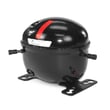
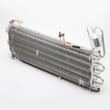
If you are troubleshooting cooling problems that point to sealed-system issues, common related parts you may see listed for this model include the refrigerator compressor TCA38091801, refrigerator condenser coil ACG73645004, and refrigerator evaporator ADL73341411.
What to check before requesting service
Use this checklist to avoid delays and to make sure the issue matches warranty terms:
- Confirm the date of original retail purchase and keep the receipt available.
- Verify the refrigerator is being used in a normal home-use setting.
- Note symptoms clearly (warm refrigerator section, warm freezer, unusual cycling, etc.).
- Record the model and serial information from the rating label.
- Review the warranty exclusions and definitions in the owner's manual.
Quick reference table
| Coverage area | Typical examples | Warranty period shown |
|---|---|---|
| Refrigerator (overall) | Controls, fans, dispenser-related components | 1 year parts and labor |
| Sealed system (parts) | Condenser, evaporator, refrigerant tubing | 7 years |
| Linear compressor (parts) | Compressor assembly | 10 years |
Why it matters
Warranty coverage affects the most expensive repair categories on a refrigerator. Knowing whether a problem is likely sealed-system related (compressor, evaporator, condenser) helps you set expectations for parts coverage versus labor and speeds up diagnosis.
Last updated: February 2026
How to tell if an LG compressor is bad?
On an LG LFXS30766D bottom-mount refrigerator, a bad compressor typically shows up as warming temperatures (fresh food and freezer), little to no steady compressor run sound, or repeated clicking from the lower rear area as the compressor tries to start and shuts off.
Quick checks we recommend first
- Confirm the control panel is set correctly and not in a demo or display mode (see the LFXS30766D owner's manual).
- Listen at the back lower area: a healthy compressor usually has a steady hum and runs in cycles.
- Check for repeated clicking every few minutes; that often points to a start failure or overload trip.
- Make sure the condenser area is not packed with dust; restricted airflow can mimic compressor trouble.
- After any unplugging, wait at least 5 minutes before plugging back in (this helps protect the compressor).
What compressor symptoms usually mean
| Symptom | Most common cause | What to do next |
|---|---|---|
| Fridge and freezer both warm | Sealed system or compressor not pumping | Check condenser airflow; then move to professional diagnosis |
| Repeated clicking from lower back | Start device/overload issue or locked compressor | Unplug 5 minutes, retry; if it repeats, schedule service |
| Compressor runs but temps rise | Low refrigerant, restriction, weak compressor | Professional sealed-system test |
| No compressor sound at all | Control issue, power issue, or failed compressor | Verify outlet power; check for error codes in the manual |
Why it matters
The compressor is the heart of the sealed cooling system. If it cannot start or cannot pump refrigerant, both compartments warm up quickly and food safety becomes a concern.
Parts that may be involved
If diagnosis confirms a compressor failure on this model, the replacement part is the refrigerator compressor TCA38091801. In some cases, poor heat rejection can contribute to overheating and shutdowns, so we also check the refrigerator condenser coil ACG73645004 for heavy dust buildup or damage.
Safety notes
If you notice a burning plastic or chemical smell or see smoke, unplug the refrigerator immediately and have it serviced. Avoid disassembling or repairing the refrigerator yourself for sealed-system issues.
Last updated: February 2026
What is the most common problem with an LG refrigerator?
For LG bottom-mount refrigerators like model LFXS30766D, the most common customer-reported issue is a cooling failure (refrigerator warm, freezer warming, or both). The most frequent root causes are sealed-system or compressor-related problems, plus airflow and defrost issues that prevent proper heat removal.
Most common symptoms we see
- Fresh food section warms up but freezer seems “okay” at first
- Both sections warm up and food softens or spoils
- Clicking, buzzing, or repeated start attempts from the back of the unit
- Frost buildup on the rear freezer panel (restricted airflow)
- Temperature swings even though settings look correct
Quick checks before replacing parts
Start with these basics because they cause a large share of “not cooling” complaints:
- Confirm airflow: do not block vents with food packages
- Clean heat-rejection areas: dust buildup around the condenser area reduces cooling performance
- Power reset correctly: if unplugged, wait at least 5 minutes before plugging back in (helps protect the compressor)
- Look for frost patterns: heavy frost often points to a defrost sensor or defrost system issue
- Listen for fans: evaporator fan noise changes when you open and close doors (fan may pause with door open)
Parts that commonly relate to these problems (for LFXS30766D)
If troubleshooting points to a specific failure, these model-matched parts are common suspects:
| Symptom | Likely system | Example part for this model |
|---|---|---|
| Warm temps, clicking, won’t stay running | Sealed system / compressor | Refrigerator compressor TCA38091801 |
| Runs a lot, poor cooling, hot cabinet sides | Condenser heat removal | Refrigerator condenser coil ACG73645004 |
| Frost buildup, warm fridge, restricted airflow | Defrost sensing | Refrigerator defrost sensor assembly 6615JB2005R |
Water and ice issues are also very common
After cooling complaints, the next most common LG refrigerator problems involve the dispenser and ice maker:
- Slow or no water dispensing (often filter restriction)
- Small cubes or hollow cubes (water supply or valve issue)
- Ice maker not producing (ice maker module, fill issues, or temperature problems)
For maintenance-related fixes, we use the owner's manual for the correct procedures and indicators.
Why it matters
Cooling problems can come from simple maintenance (airflow, dust) or from major sealed-system components. Doing the quick checks first helps avoid unnecessary part replacement and helps you pinpoint whether you are dealing with a compressor/sealed-system issue versus a defrost or airflow problem.
Last updated: February 2026
How to reset LG fridge compressor?
To reset the compressor on your LG LFXS30766D bottom-mount refrigerator, unplug the unit, wait at least 5 minutes, then plug it back in so the control board can reboot. After restoring power, allow up to 24 hours for temperatures to fully stabilize.
Safe reset steps
- Unplug the refrigerator from the outlet.
- Wait at least 5 minutes before restoring power.
- Plug the refrigerator back in.
- Verify the control panel lights up and settings look correct.
- Keep door openings to a minimum while it recovers.
- If the refrigerator was moved or laid on its side, let it stand upright 24 hours before powering it.
If it still is not cooling
A reset only reboots controls; it does not fix airflow restrictions or sealed-system problems. Check these common causes:
- Air vents blocked by food packages
- Doors not sealing (gasket gaps, tears, warping)
- Warm room conditions or frequent door openings
- Dirty condenser area (vacuum vents and cover; do not remove the condenser coil cover)
What “normal” can look like after a reset
| Situation | What you may notice | What to do |
|---|---|---|
| Right after plugging back in | Longer run time | Wait several hours; limit door openings |
| After adding warm food | Extended run time | Let temps recover; organize items |
| Hot room conditions | Runs more often | Improve airflow around the fridge |
Parts commonly involved in compressor and cooling diagnosis
If the refrigerator runs but does not cool after the reset and basic checks, these model-matched parts are often involved:
Why it matters
Waiting the full 5 minutes prevents rapid restart stress on the compressor and electronics; giving the refrigerator time to pull down temperature helps you avoid unnecessary part replacement.
For model-specific troubleshooting and operating guidance, use the LFXS30766D owner's manual.
Last updated: February 2026