Owner’s manual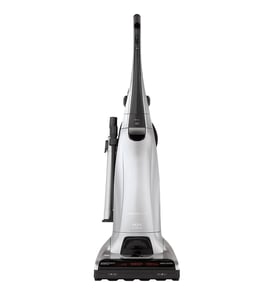

Is Hoover as good as Dyson?
Hoover can be just as good as Dyson for many homes, especially when you want strong everyday cleaning at a lower cost and simpler upkeep. Dyson typically wins on premium features and refined performance, but a Hoover UH30300 upright vacuum is a solid choice for reliable carpet and floor cleaning.
Quick comparison (what most owners notice)
| What you care about | Hoover (like UH30300) | Dyson (typical models) |
|---|---|---|
| Value for the money | Strong | Usually lower (higher price) |
| Maintenance | Often simpler (belt, brush roll, filters) | Can be more specialized |
| Deep carpet performance | Strong on many uprights | Often excellent |
| Filtration and sealing | Varies by model and filter condition | Often a key selling point |
| Repairs and parts | Straightforward wear parts | Can be more model-specific |
How to decide for your cleaning needs
- Choose Hoover if you want dependable cleaning, easy routine maintenance, and good value.
- Choose Dyson if you want premium design, advanced features, and you are comfortable paying more.
- If you have lots of carpet, prioritize brush roll condition, belt condition, and suction path cleanliness.
- If you have pets, focus on hair pickup and how easy it is to clear the brush roll.
- If allergies are a concern, keep filters clean and make sure all seals and bins are seated correctly.
What matters most on the Hoover UH30300 day to day
Even a great vacuum underperforms when common wear items are neglected. For the UH30300, we recommend:
- Check and clean filters on the schedule in the owner's manual.
- Clear clogs in the hose, nozzle, and dirt path when suction drops.
- Inspect the brush roll for hair wrap and thread.
- Replace the belt if the brush roll slows, squeals, or stops under load.
- Empty the dirt container or replace the bag (depending on configuration) before it is overfull.
Why it matters
“Better” is usually about matching the vacuum to your floors and habits. A well-maintained Hoover upright often outcleans a neglected premium vacuum, and it typically costs less to keep running with routine belt, brush roll, and filter care.
Last updated: February 2026
What are common Hoover vacuum problems?
Common problems we see with the Hoover UH30300 upright vacuum include weak or no suction, a brush roll that stops spinning, the vacuum shutting off from overheating, and unusual noise or burning smell. Most issues come from clogs, dirty filters, a full bin or bag area, or a worn belt or brush roll.
Most common symptoms and what usually causes them
- Loss of suction: clogged hose, dirty filter, full dirt cup, or a leak at a seal
- Brush roll not spinning: hair wrap, broken or stretched belt, jammed brush roll, or a power head issue
- Shuts off during use: restricted airflow (clog), dirty filters, or overheating protection tripping
- Loud rattling or grinding: debris in the nozzle, damaged brush roll, or worn bearings
- Burning smell: belt slipping, brush roll jam, or motor overheating from blockage
Quick checks (in order)
- Unplug the vacuum.
- Empty the dirt cup and clean the bin pathway.
- Check the nozzle and hose for a clog (coins, socks, pet hair mats).
- Inspect the brush roll for hair wrap and free rotation.
- Check filters; clean or replace if they are dusty, gray, or restricting airflow.
- If the brush roll still will not spin, inspect the belt for cracks, glazing, or looseness.
What to do based on the symptom
| Symptom | Most likely cause | Best next step |
|---|---|---|
| Weak pickup on carpet | Clog or dirty filter | Clear blockage; service filters |
| Brush roll stops | Hair wrap or belt issue | Clean brush roll; check belt |
| Vacuum shuts off | Overheating from restriction | Remove clogs; let it cool; recheck airflow |
| Loud noise at floor head | Debris or damaged brush roll | Clear debris; inspect brush roll |
Why it matters
Airflow drives cleaning performance and motor cooling. When filters or hoses clog, suction drops and the motor runs hotter, which can trigger shutoff or shorten the life of the vacuum.
Helpful model-specific resources
- Use the owner's manual for your UH30300 to confirm filter locations, cleaning intervals, and any reset steps.
- For step-by-step troubleshooting by symptom, use our vacuum symptoms landing page.
Last updated: February 2026
What is the life expectancy of a Hoover vacuum?
A Hoover upright vacuum like model UH30300 typically lasts 8 years. With consistent maintenance (clean filters, clear clogs, replace worn belts and brush roll), many uprights reach 10 to 12 years; heavy pet use and frequent overheating shorten lifespan.
What affects how long your UH30300 lasts
- Filter and airflow care: clogged filters and hoses make the motor run hotter
- Brush roll and belt condition: worn parts reduce cleaning and strain the drive system
- Home conditions: pet hair, fine dust, and large carpeted areas increase workload
- How you store it: crushed hoses and packed-in debris lead to chronic restrictions
- How often you use it: daily whole-home use wears moving parts faster
Quick “replace or repair” checklist
Use this as a practical guide before buying major parts.
| Symptom | Most common cause | Usually worth fixing? |
|---|---|---|
| Weak suction | Clog, dirty filter, leaking hose/seal | Yes |
| Brush roll not spinning | Belt worn, brush roll jammed | Yes |
| Shuts off during use | Overheating from blockage or dirty filters | Yes |
| Burning smell from base | Belt slipping, brush roll jam | Yes (stop using until cleared) |
| Loud grinding | Worn brush roll bearings or debris | Often |
Maintenance that adds years (and why it matters)
Keeping airflow open and the brush system turning freely prevents overheating and reduces load on the motor. That is the difference between a vacuum that fades early and one that keeps strong suction for years.
- Empty the dirt cup or change the bag before it is packed full
- Clean or replace filters on schedule
- Check the hose and nozzle for clogs after any big pickup
- Cut hair and string off the brush roll regularly
- Replace the belt when the brush roll slows or squeals
Helpful repair and care resources
- Use the UH30300 owner’s manual for your model’s maintenance intervals and filter locations.
- If the brush stops turning, follow our steps in vacuum brush roll on spinning.
- For long-term upkeep tips, see tips for caring for a vacuum cleaner.
Last updated: February 2026
What is the number one rated upright vacuum cleaner?
There is no single, permanent “number one” upright vacuum cleaner because rankings change by test method and what you clean (pet hair, carpet, hard floors). For a Hoover UH30300, the best choice is the upright that matches your home’s flooring and maintenance needs; use the UH30300 owner's manual to compare features and care requirements.
How to choose the “top-rated” upright for your needs
Most rating lists weigh these factors differently, so the best pick depends on your priorities:
- Cleaning performance: carpet deep-cleaning vs. hard-floor pickup
- Pet hair handling: brush roll design, anti-tangle features, filtration
- Filtration: HEPA-style filtration and sealed airflow (helps with fine dust)
- Ease of use: weight, swivel steering, hose reach, tool storage
- Maintenance cost: belts, brush roll wear, filters, clogs
Quick comparison: what “#1” usually means
| If you care most about... | Look for... | Common tradeoff |
|---|---|---|
| Pet hair | Strong agitation, easy brush roll cleaning | More brush roll maintenance |
| Carpet | High suction plus effective brush roll | Can be louder/heavier |
| Hard floors | Brush roll shutoff or gentle setting | May be less aggressive on carpet |
| Allergies/dust | Better filtration and tight seals | Higher filter upkeep |
What to check before you buy or compare
Use this checklist to evaluate any upright (including your Hoover UH30300):
- Confirm brush roll access for hair removal and cleaning
- Check whether the vacuum has a belt-driven brush roll and how often belts are replaced
- Verify filter type and how it’s cleaned or replaced
- Look for clog access points (hose, inlet, power head)
- Consider cord length and hose reach for stairs and upholstery
Why it matters
A vacuum can be “#1 rated” overall and still be a poor fit for your home. Matching suction, brush roll design, filtration, and maintenance to your flooring and pets delivers better real-world cleaning and fewer breakdowns.
For repair and performance issues (like brush roll problems, lights staying on, or weak suction), we use our DIY library such as the vacuum symptoms landing page.
Last updated: February 2026