Installation guide
 Owner’s manual
 Error Codes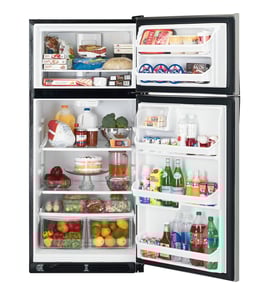




What are the disadvantages of a top mount fridge?
A top-mount refrigerator like the Frigidaire LGHT1837LP4 puts the freezer at eye level and the fresh-food section below; the main disadvantages are more bending to reach everyday items, fewer organization features than many bottom-freezer designs, and fewer built-in dispenser options.
Common drawbacks (what you will notice day to day)
- You bend more often to reach produce, deli items, and lower shelves.
- Fresh-food organization is usually simpler (fewer drawers, fewer specialty zones).
- Freezer space can feel tighter for bulky items because it is typically narrower.
- Ice and water dispensers are less common on this style.
- Door swing and clearance can be more limiting in tight kitchens (especially near walls).
How to reduce the downsides on LGHT1837LP4
We recommend these practical setup steps to make a top-mount easier to live with:
- Keep the most-used items on the middle shelf and in the door bins to reduce bending.
- Use the crisper humidity controls correctly for produce (your settings are covered in the installation guide).
- Make sure the cabinet is leveled and tilted slightly back so doors self-close and seal well.
- Confirm the door seals completely on all sides; poor sealing increases temperature swings and frost.
- Leave proper airflow clearance around the cabinet (sides/top and back) to help cooling performance.
Quick comparison: top mount vs bottom freezer
| Feature | Top mount (LGHT1837LP4 style) | Bottom freezer (typical) |
|---|---|---|
| Fresh-food access | Lower, more bending | Higher, less bending |
| Organization | Usually simpler | Often more drawers/zones |
| Freezer access | Convenient for frozen foods | Requires bending for freezer |
| Dispensers | Less common | More common |
Why it matters
Most “disadvantages” come down to ergonomics and storage habits. If you use the refrigerator section far more than the freezer, a top mount can feel less convenient; good leveling and door sealing help prevent temperature issues that make any layout frustrating.
Last updated: February 2026
Which is better, top mount or bottom mount refrigerator?
A top-mount refrigerator like the Frigidaire LGHT1837LP4 is usually the better pick if you want a simpler, typically lower-cost design with easy freezer access and straightforward maintenance. A bottom-mount is usually better if you want fresh-food items at eye level and less bending for everyday use; compare features and layout in the LGHT1837LP4 installation guide before deciding.
Quick comparison
| Feature | Top mount (freezer on top) | Bottom mount (freezer on bottom) |
|---|---|---|
| Everyday fridge access | More bending for fresh food | Easier access to fresh food |
| Freezer access | Easiest access | More bending for freezer |
| Organization | Often simpler shelving | Often more drawer-based storage |
| Typical repair complexity | Often simpler systems | Often more features to service |
How we recommend choosing
- If you use the freezer daily (frozen meals, ice, bulk storage), a top mount is usually more convenient.
- If you cook often and reach for fresh items constantly, a bottom mount usually feels better day to day.
- If you want fewer “extras” and a more straightforward layout, top mount is usually the better fit.
- If you want more modern organization (wide deli drawers, pull-out freezer bins), bottom mount usually wins.
- If your kitchen space is tight, measure carefully; door swing and clearance matter as much as width.
Installation and space considerations (often overlooked)
Even the “better” style can disappoint if it is installed too tight or not leveled. For this Frigidaire top-mount platform, we follow the clearance and setup basics in the installation instructions:
- Plan for about 3/8 inch clearance at the sides and top.
- Plan for about 1 inch clearance at the back for airflow and connections.
- Level the cabinet so it sits solidly on all corners; the guide calls for a slight tilt (about 1/4 inch front to back) to help doors close properly.
Why it matters
Refrigerator style affects daily ergonomics (how often you bend), food visibility (what gets forgotten), and long-term satisfaction. Proper clearances and leveling also affect door sealing and temperature stability, which directly impacts food freshness and energy use.
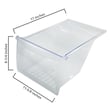
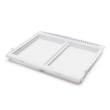
For replacement parts that support storage and door sealing on LGHT1837LP4, we stock items like the crisper drawer - refrigerator storage component by Frigidaire 240337103 and door gasket options; you can also search by model on Sears PartsDirect.
Last updated: February 2026
What is the upper part of a fridge called?
On a Frigidaire LGHT1837LP4 top-mount refrigerator, the upper compartment is the freezer. It is the section designed to keep foods frozen, and it often houses the ice maker (if equipped); see the installation guide for ice maker and setup check steps.
What the freezer does (and what you will notice)
- Maintains below-freezing temperatures for long-term storage
- Helps cool the fresh food section through the sealed refrigeration system
- May include an ice maker with an ON/OFF signal arm (on equipped models)
- Can show frost buildup if the defrost system is not working correctly
- Needs good door sealing to prevent warm air leaks and moisture intrusion
Quick setup checks that affect freezer performance
Our installation guidance for this model focuses on basics that directly impact freezer temps and frost control:
- Confirm the freezer door seals completely on all sides
- Level the refrigerator side-to-side and tilt it 1/4 inch (6 mm) front to back
- Allow airflow clearances: 3/8 inch at the sides and top, 1 inch at the back
- If the ice maker is installed, connect the house water supply and recheck for leaks in 24 hours
- Set fresh food and freezer controls, then wait 24 hours before making more adjustments
Common freezer-related parts customers replace
If the upper compartment is not staying cold or is frosting up, these model-compatible parts are commonly involved:
| Symptom | Likely area | Example part for LGHT1837LP4 |
|---|---|---|
| Heavy frost, warm freezer | Defrost system | Refrigerator defrost heater 242044008 |
| Heavy frost, fan noise changes | Defrost sensing | Refrigerator defrost bi-metal thermostat 5303918202 |
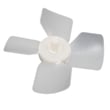
| Warm temps, weak airflow | Evaporator airflow | Refrigerator evaporator fan blade 5308000010 |
Why it matters
When the freezer door does not seal, the cabinet is not level, or airflow clearances are too tight, warm air and moisture enter the freezer. That leads to temperature swings, frost buildup, and longer run times, which can affect both freezer and fresh food cooling.
If you need to order replacement parts for LGHT1837LP4, we list model-specific parts on this page, and you can also search by model on Sears PartsDirect.
Last updated: February 2026
What is the average lifespan of a Frigidaire refrigerator?
A Frigidaire refrigerator typically lasts 10 to 15 years. With steady upkeep (good airflow, clean condenser area, tight door seals, and correct leveling), many units reach the high end of that range. For model-specific care and setup details, use the LGHT1837LP4 owner's manual.
What affects refrigerator lifespan most
A refrigerator’s life is usually determined by how hard the sealed system and fans have to work, and how well the doors seal.
- Door gasket condition: air leaks force longer run times and can cause frost issues
- Airflow and clearances: restricted airflow makes the compressor run hotter
- Leveling and door alignment: helps doors close fully and reduces gasket wear
- Dust and pet hair buildup near the condenser area: raises operating temperatures
- Defrost system health: prevents heavy frost that blocks airflow
Quick care checklist for LGHT1837LP4
These steps match common Frigidaire top-mount needs and align with the installation guidance (leveling, seals, and clearances).
- Keep the cabinet level side-to-side and tilted slightly back so doors self-close
- Maintain installation clearances (typical guidance is about 3/8 inch at sides/top and about 1 inch at the back)
- Confirm the door seals completely on all sides after moving or leveling
- Set temperatures, then wait 24 hours before making additional control changes
- If you have an icemaker, connect the water supply carefully and recheck for leaks after 24 hours
Common “wear” parts that can extend service life
Replacing a failing airflow or sealing part early often prevents bigger cooling problems.
| Symptom | Likely area | Example part for this model |
|---|---|---|
| Warm fridge, freezer OK, weak airflow | Evaporator airflow | Refrigerator evaporator fan blade 5308000010 |
| Frost buildup, warming, defrost issues | Defrost system | Refrigerator defrost heater 242044008 |
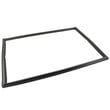
| Door not sealing, moisture, heavy run time | Door seal | Refrigerator gasket 242193213 |
Why it matters
Most premature refrigerator failures come from overwork (poor airflow, dirty condenser area, or air leaks). Keeping your LGHT1837LP4 level, sealed, and well-ventilated reduces compressor run time and helps the refrigerator reach its normal 10 to 15 year lifespan.
Last updated: February 2026
What is the most common problem with Frigidaire refrigerators?
The most common problem we see with Frigidaire refrigerators like model LGHT1837LP4 is a cooling complaint: the freezer may stay cold while the fresh food section warms up. This is usually tied to airflow (evaporator fan), dirty condenser coils, or defrost-system ice buildup that blocks air movement.
Most common symptoms customers report
- Freezer temperature seems normal but the refrigerator section is warm
- Frost or heavy ice buildup on the freezer back wall
- Weak airflow from the refrigerator vents
- Temperature swings after changing the controls (allow 24 hours between adjustments)
- Door not sealing fully, leading to moisture, frost, and warm spots
Quick checks that solve many “not cooling” calls
- Confirm door seal and leveling: The installation checklist calls out that doors should seal completely and the cabinet should be level, side to side, and tilted 1/4 inch (6 mm) front to back; see the installation guide.
- Give control changes time: After adjusting temperature controls, wait a full 24 hours before changing again.
- Look for airflow issues: If you do not hear the evaporator fan running when it should, inspect the fan area for ice or obstructions.
- Check for defrost-related ice buildup: Frost-packed coils restrict airflow and mimic a “no cool” condition.
Parts that commonly relate to these problems (LGHT1837LP4)
| Problem area | What you may notice | Example part on this model |
|---|---|---|
| Evaporator airflow | Warm fridge, normal freezer, weak vent airflow | Refrigerator evaporator fan blade 5308000010 |
| Defrost system | Frost buildup, airflow blocked, warming over time | Refrigerator defrost heater 242044008 or refrigerator defrost bi-metal thermostat 5303918202 |
| Door sealing | Moisture, frost, longer run times | Refrigerator gasket 242193213 or Frigidaire refrigerator door gasket (black) 241872512 |
Why it matters
Cooling problems are often airflow problems. When air cannot circulate from the freezer to the fresh food section (because of a failed fan, dirty coils, or ice buildup from a defrost issue), food temperatures rise even though the freezer still feels cold.
Helpful DIY references
- Use Frigidaire refrigerator error codes if your unit has a display or is signaling a fault.
- For door-seal concerns, follow the steps in how to fix a fridge door seal.
You can order replacement parts for your LGHT1837LP4 from the parts list for this model, or search by model number on Sears PartsDirect.
Last updated: February 2026