Owner’s manual




Is LG WM3900HWA stackable?
Yes. The LG WM3900HWA front-load washer is designed to be stackable when you use the correct, model-compatible stacking kit and follow the installation clearances and steps in the WM3900HWA owner's manual.
What “stackable” means for WM3900HWA
To stack safely, you typically place a matching LG dryer on top of the washer using a stacking kit (sold separately). We recommend confirming the dryer model is approved for stacking with this washer.
- Use a stacking kit made for LG front-load laundry
- Stack only on a solid, level floor (concrete is best)
- Keep required clearances around the unit (especially behind)
- Do not stack on a pedestal unless the pedestal instructions specifically allow it
- Do not block airflow openings at the bottom of the washer
Quick install checks before you stack
These are the most common setup items that prevent a safe stack.
| Check | What to look for | Why it matters |
|---|---|---|
| Leveling | All 4 leveling feet firmly on the floor | Reduces vibration and walking |
| Shipping bolts | Removed before use | Prevents severe vibration and damage |
| Space | Minimum side and rear clearances maintained | Prevents rubbing, noise, and hose kinks |
| Power | Proper grounded outlet nearby | Avoids unsafe wiring and nuisance trips |
Why it matters
Stacking saves floor space, but it also increases the importance of stability and vibration control. A washer that is not level or still has shipping bolts installed can shake excessively, which can affect performance and the stacked dryer above it.
Last updated: January 2026
What is the most common problem with the LG washing machine?
For the LG WM3900HWA washer, the most common day-to-day issue we see is a drain problem that leads to “won’t drain” and then “won’t spin.” On this model, a clogged drain pump filter is a frequent cause, and cleaning it often restores normal draining.
What to check first on WM3900HWA
Start with the simple, high-success checks that match how this washer is designed to drain.
- Unplug the washer before any inspection.
- Check the drain pump filter (behind the small access cover at the lower front of the washer).
- Make sure the drain hose is not kinked, crushed, or pushed too far into the standpipe.
- If the tub is full of water, use the small drain hose at the filter area to drain into a shallow pan first.
- Run Rinse+Spin after cleaning to confirm the fix.
For the exact steps LG specifies for cleaning the drain pump filter on this model, use the WM3900HWA owner’s manual.
Symptoms and likely causes (quick guide)
| What you notice | Most likely cause | What to do next |
|---|---|---|
| Water left in tub, slow drain | Drain pump filter clogged | Clean filter; remove coins, lint, hair |
| Drains sometimes, then stops | Partial blockage or hose restriction | Check hose routing and standpipe air gap |
| Won’t spin after draining issue | Washer protects itself when it can’t drain | Fix drain issue first, then retry spin |
| Door stays locked with water inside | Water level too high to unlock | Drain through filter-area drain hose |
When a part may be involved
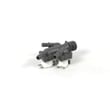
If you’ve cleaned the filter and verified the drain hose installation but the washer still won’t drain or spin, the drain system may have a failed component (such as a pump or a leaking/blocked bellows). For this model, one related drain-path component you can match by model is the washer drain pump bellows AAS73169401.
Why it matters
A drain restriction can prevent the WM3900HWA from reaching high spin speeds, leaving clothes wetter and extending dry time. Clearing the drain pump filter also helps prevent odors caused by debris sitting in trapped water.
Last updated: January 2026
How many years does a LG washing machine last?
An LG washing machine typically lasts 10 to 15 years. For your LG WM3900HWA washer, reaching the high end of that range depends most on using HE detergent, avoiding chronic overloads, and doing routine cleaning like the monthly Tub Clean cycle; see the WM3900HWA owner's manual.
What affects lifespan the most
- Load size and balance: repeated heavy or unbalanced loads increase wear during high-speed spin
- Detergent choice and amount: HE detergent and correct dosing help prevent oversudsing and residue
- Moisture control: wiping the door seal and leaving the door open helps prevent odor and seal issues
- Water quality: hard-water scale can shorten the life of valves, hoses, and internal water paths
- Early repairs: fixing leaks, vibration, or draining problems early prevents bigger failures
Maintenance habits we recommend for WM3900HWA
- Run Tub Clean monthly (weekly for 3 weeks if you already have mildew or musty odor)
- Wipe the door glass and door seal after laundry day; leave the door open to dry the drum
- Clean the detergent dispenser drawer about weekly if you notice buildup
- Clean water inlet filters if filling is slow
- Clean the drain pump filter if draining slows or you find debris
Common wear items to watch
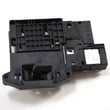
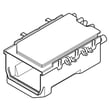
If the washer will not start, will not unlock, or shows door-lock symptoms, the door lock can be a likely suspect on many front-load washers. A compatible replacement for this model is the LG washer door lock EBF61315802.
| Use pattern | Typical lifespan | Best focus |
|---|---|---|
| Light (few loads/week) | 15 years | Keep it dry and run Tub Clean monthly |
| Average household | 10 to 15 years | Correct detergent, routine cleaning |
| Heavy (daily loads) | 10 years | Avoid overloads, address issues early |
Why it matters
WM3900HWA is a high-efficiency front-load washer that relies on tight seals, clean water flow, and stable high-speed spinning. Simple upkeep reduces mold, scale, and strain on the motor, pump, and door lock so the washer runs longer.
Last updated: January 2026