Owner’s manual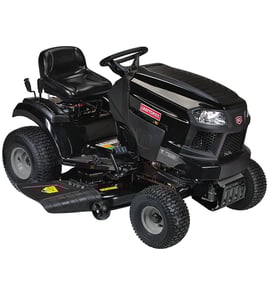



How much horsepower does a Husqvarna TS142K-960430333 have?
The Husqvarna TS142K-960430333 lawn tractor is rated at 20 horsepower (hp) nominal engine output. This spec is listed in the model’s technical data and is a reliable way to compare power across similar 42-inch deck riding mowers. See the owner's manual for the full engine specifications.
In the technical data for TS 142K, Husqvarna lists nominal engine output as 14.9 kW / 20 hp. Nominal output is the standardized rating used for the engine’s power.
| Spec type | Value | Notes |
|---|---|---|
| Nominal engine output | 20 hp | Listed as 14.9 kW / 20 hp |
| Nominal engine output | 14.9 kW | Metric equivalent |
These specs help when troubleshooting performance, choosing oil, or doing maintenance:
- Engine brand: KOHL
- Engine model: KT715-3051
- Max engine speed: 3300 ± 100 rpm
- Fuel: 87 AKI minimum, up to 10% ethanol
- Fuel tank capacity: 3.0 gallons
- Oil type (above 32°F): SAE 30
Horsepower affects how well your tractor maintains blade speed in thick grass and how it handles hills and towing within the manufacturer’s limits. For best results, keep the cutting deck maintained and the drive system in good condition (for example, a worn ground drive belt can reduce real-world performance).
Last updated: February 2026
What model is TS142K-960430333?
TS142K-960430333 is a Husqvarna TS 142K front-engine lawn tractor model. In the TS 142K operator documentation, it’s identified as “TS 142K” and includes specs such as a KOHLER KT715-3051 engine (20 hp nominal) and a 3.0-gallon fuel tank; see the TS142K-960430333 operator's manual for the full model identification and technical data.
Use these details to confirm you have the correct tractor:
- Model family shown in documentation: TS 142K
- Brand: Husqvarna
- Product type: Front-engine lawn tractor
- Engine listed in technical data: KOHLER KT715-3051
- Fuel tank capacity: 3.0 gallons (11.36 L)
| Spec | TS 142K value |
|---|---|
| Nominal engine output | 14.9 kW / 20 hp |
| Max engine speed | 3300 ± 100 rpm |
| Fuel requirement | 87 AKI (max 10% ethanol) |
| Fuel tank volume | 3.0 gal |
| Front tires | 15 x 6-6 |
| Rear tires | 20 x 8-8 |
| Electrical system | 12 V |
| Weight (empty tanks) | 440 lb |
Getting the exact model number right (TS142K-960430333) ensures you match the correct parts diagrams and maintenance specs, especially for deck components, belts, and electrical items like the starter solenoid and ignition switch.
If you are shopping parts for TS142K-960430333, these are commonly needed items shown for this model:
- Husqvarna lawn tractor ground drive belt 592855201
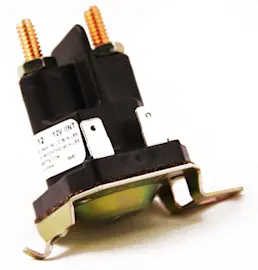
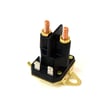
- Husqvarna lawn tractor starter solenoid 582042802
- Husqvarna lawn tractor ignition switch 532193350
Last updated: February 2026
What is the life expectancy of a Husqvarna lawn mower?
A Husqvarna riding lawn mower like model TS142K-960430333 typically lasts 10 to 15 years with normal residential use and consistent maintenance; heavy use, poor storage, and skipped service can shorten that. Following the maintenance schedule in the owner's manual is the most reliable way to maximize engine and deck life.
- Light residential use (well maintained): 12 to 15 years
- Average residential use: 10 to 12 years
- Heavy use or neglected maintenance: 5 to 8 years
- Measured by hours (common benchmark): many riders run well past 500 to 1,000+ hours when serviced on schedule
These items have the biggest impact on how long your TS142K-960430333 lasts:
- Change engine oil and filter on schedule; use the correct oil viscosity for your temperatures.
- Keep the air filter clean; restricted airflow accelerates engine wear.
- Keep blades sharp and balanced to reduce deck vibration and spindle wear.
- Keep belts properly routed and in good condition to prevent slip and heat damage.
- Store fuel correctly for off-season storage (stabilizer practices matter if fuel sits 30+ days).
- Keep the battery charged and terminals clean to prevent hard-start damage to the starting system.
Most riders get retired because a few high-wear systems become too costly or inconvenient to keep up. These are common replacement points:
| System | Common symptom | Example part on this model page |
|---|---|---|
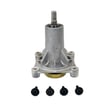
| Mower deck spindles | Noise, wobble, uneven cut | Lawn tractor mandrel assembly (587819701) 587819701 |
| Ground drive | Slipping, loss of drive | Husqvarna lawn tractor ground drive belt 592855201 |
| Starting circuit | Clicks, no crank | Husqvarna lawn tractor starter solenoid 582042802 |
| Blade control | Blades will not engage | Husqvarna lawn tractor blade engagement cable 584243501 |
A riding mower’s engine, deck, and transaxle can last a long time, but only if heat, vibration, and stale fuel are controlled. Routine service protects expensive assemblies (like the deck and drive system) and keeps cut quality consistent.
Last updated: February 2026
Is it worth replacing a lawn mower engine?
Yes; replacing the engine on your Husqvarna TS142K-960430333 lawn tractor is worth it when the deck, drive system, and chassis are in good shape and the total engine-swap cost stays well below the price of a comparable new rider. If multiple major systems are worn out, replacement is the better value.
- The mower deck is structurally sound (no cracks, rust-through, or bent hangers).
- The tractor drives normally (no slipping, whining, or loss of motion under load).
- Steering and brakes feel solid and predictable.
- Wiring and safety interlocks are intact (no recurring no-start from loose or damaged wires).
- You can match the replacement engine to the correct shaft size, mounting pattern, and controls.
| Condition | What it means | Best move |
|---|---|---|
| Deck and drive are strong | Tractor has years of life left | Replace the engine |
| Deck is worn and cut quality is poor | More repairs are coming | Replace the tractor |
| Main complaint is “won’t crank” | Often electrical, not engine | Diagnose starting circuit |
| Blades will not spin | Often belt, pulley, or mandrel | Repair deck drive first |
The TS142K-960430333 manual troubleshooting points to several issues that mimic a failing engine.
- Check engine oil level; low oil causes power loss.
- Clean or replace the air filter; a dirty filter reduces power.
- Replace a bad spark plug; misfire feels like low compression.
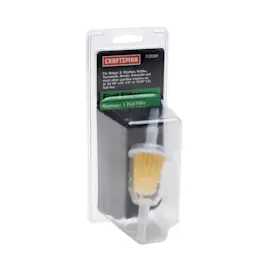
- Drain bad fuel and replace the fuel filter if fuel is contaminated.
- If blades cannot rotate, inspect for a worn belt, frozen idler pulley, or frozen mandrel.
Helpful DIY:
- Husqvarna lawn tractor starter solenoid 582042802
- Husqvarna lawn tractor ignition switch 532193350
- Lawn tractor mandrel assembly (587819701) 587819701
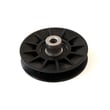
- Husqvarna lawn tractor idler pulley 532194327
An engine swap is one of the biggest repairs on a riding mower. Confirming the failure prevents spending engine money on a problem caused by fuel, maintenance, or the deck drive. Follow the safety steps in the owner's manual, including disconnecting the spark plug wire before repairs.
Last updated: February 2026